
Comic strip: format, history, and notable examples
A clear introduction to comic strips: what they are, how they’re made, their history and formats, cultural role, and well-known newspaper and webcomic examples.
Overview
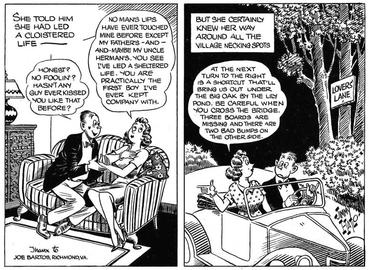
A comic strip is a short, sequential visual narrative composed of a series of panels presented in order. Panels act as individual units of time and place — see a basic explanation on panels: panels. The artwork is often called cartooning, and the visual elements are typically drawings. Strips range from single gag panels to multi-panel sequences that develop a joke, a dramatic situation, or an ongoing storyline. They appear in print and online and may be humorous, satirical, sentimental, or adventure-oriented.
Image gallery
9 Images



Format and typical parts
Most comic strips follow a compact format designed for quick reading. Common components include:
- Panels — individual boxes that show action or dialogue.
- Gutters — space between panels that indicate passage of time.
- Speech balloons and captions — devices for character speech and narration.
- Recurring characters and settings — a cast and familiar locations that support serial storytelling.
History and development
The comic strip evolved alongside newspapers and popular print culture. Early serial strips introduced continuing adventure stories, while daily newspaper strips often favored short gags and character-driven humor. European and American traditions developed distinct styles — for example, serialized adventure albums such as The Adventures of Tintin by Hergé coexist with character-led American strips like Peanuts. Creators could become well known: Calvin and Hobbes is frequently associated with its creator Bill Watterson.
Distribution, webcomics and modern forms
Traditionally syndicated in newspapers and collected in books, comic strips moved online as webcomics with the rise of the internet. The web greatly expanded formats and audience reach; some projects appear only on the web while others continue to run in both print and digital venues. For an overview of comics online, see web publishing of strips. Notable web-native examples include Penny Arcade and xkcd, while newspaper stalwarts include long-running titles such as Garfield and contemporary features like Between Friends.
Uses and cultural importance
Comic strips serve several roles: entertainment, social commentary, editorial satire, and literary or artistic experimentation. They introduce readers to recurring characters and often generate broader cultural phenomena — merchandising, adaptations, and academic study. Because they combine words and images, strips are also used in education to teach narrative structure, visual literacy, and language skills.
Notable examples (selected)
- Peanuts — a character-driven strip that influenced comics and popular culture.
- Calvin and Hobbes — celebrated for its writing and art; see creator Bill Watterson.
- Garfield — a widely syndicated gag strip known for its central cat character.
- The Adventures of Tintin — a European serialized adventure comic by Hergé.
- Between Friends — an example of contemporary newspaper strip storytelling.
- Penny Arcade and xkcd — examples of popular webcomics that show how the medium adapted to online formats.
Whether encountered in a morning paper or on a handheld device, comic strips remain a compact and influential form of storytelling that blends visual art and written narrative.
Related articles
Author
AlegsaOnline.com Comic strip: format, history, and notable examples Leandro Alegsa
URL: https://en.alegsaonline.com/art/21921