
Radio drama: history, techniques, formats and cultural influence
Radio drama (audio drama) is scripted performance created for listening. This article surveys its characteristics, production methods, history, formats, international traditions and modern resurgence in podcasts.
Overview
Radio drama — also called audio drama, radio play or audio theatre — is scripted performance created to be experienced by listening rather than sight. Without visual staging it depends on dialogue, voice acting, sound effects, music and deliberate silences to convey character, action and setting. Because it engages listeners' imagination, it has been described as "cinema for the ears." Many productions were historically broadcast on radio, while contemporary work often appears as podcasts or as an audiobook-style release.
Image gallery
3 Images

Core characteristics and production
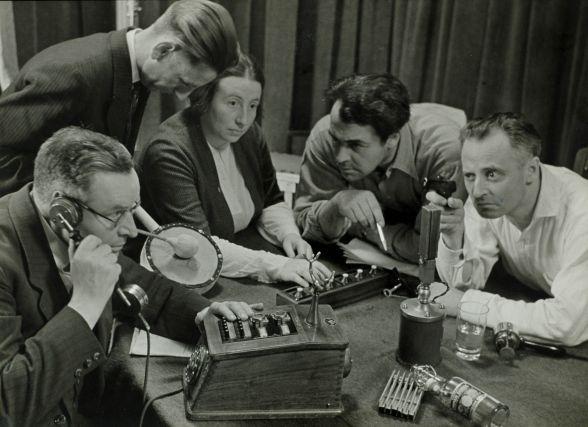
Writers and directors for radio drama shape scripts to communicate location, time and action through sound; stage directions are converted into audible cues. Key production roles include scriptwriter, director, actors, sound designer and editor. Sound designers and foley artists create footsteps, doors, weather and other effects; music reinforces mood and pacing. Modern productions may also use spatial mixing or binaural techniques to increase immersion.
- Voice acting: performers convey age, emotion and relationships by tone and rhythm.
- Sound effects and foley: suggest setting and movement without visuals.
- Music and cues: signal transitions and heighten dramatic moments.
- Editing and mixing: assemble layered elements to clarify story and preserve atmosphere.
History and development
As radio broadcasting matured in the early 20th century, drama became a popular programming form. The medium reached large audiences in a period often called the Golden Age of Radio, when families gathered to hear serials, comedies, mysteries and adaptations. A famous dramatized broadcast by Orson Welles gained widespread attention and controversy and remains a well-known example of radio drama's cultural impact. Public broadcasters, independent producers and community groups continued the tradition as television and other visual media changed audience habits.
Formats and genres
Radio drama encompasses single plays, short series, serialized soap operas, adaptations of novels and stage works, comedy sketches and experimental audio art. Genres include crime and mystery, science fiction, historical drama, comedy and children’s plays. Some productions are ensemble pieces with a full cast, while others use a small cast or a single narrator.
International traditions and institutions
Different countries developed distinct traditions: public services such as the British Broadcasting Corporation maintained a strong drama output, while regions like Latin America fostered the popular radionovela as a serial format. Universities, theatre companies and cultural institutions have also commissioned radio work as a means of reaching broad or remote audiences.
Modern revival and influence
Interest in audio drama has revived with digital distribution and podcasting. New productions often blend classic radio techniques with contemporary storytelling, immersive audio and genre experimentation. The renewed interest has encouraged collaboration between playwrights, directors, sound artists and communities, and has influenced storytelling in film, television and games by highlighting the power of sound design.
Access and further resources
Many archives and organizations curate historical recordings and contemporary productions. For an introduction to practice and technique see a brief definition and guide. Older broadcasts remain available through public archives, libraries and specialist collections, while current work can be found on streaming platforms and via production companies that specialize in audio theatre.
Related articles
Author
AlegsaOnline.com Radio drama: history, techniques, formats and cultural influence Leandro Alegsa
URL: https://en.alegsaonline.com/art/80756