
Orson Welles: filmmaker, actor, playwright and radio innovator
Profile of Orson Welles (1915–1985): his career across theatre, radio and film, the 1938 War of the Worlds broadcast, Citizen Kane, major works, methods and lasting influence.
Orson Welles (May 6, 1915 – October 10, 1985) was an American director, prominent in filmmaking, as well as a stage and radio figure. He worked widely in movies, the theatre, and radio, and was acclaimed as an actor, screenwriter and producer. Born in Kenosha, Wisconsin, Welles became known for imaginative staging, bold camera work and a commanding presence both behind and in front of the camera.
Image gallery
10 Images


Early career and the 1938 broadcast
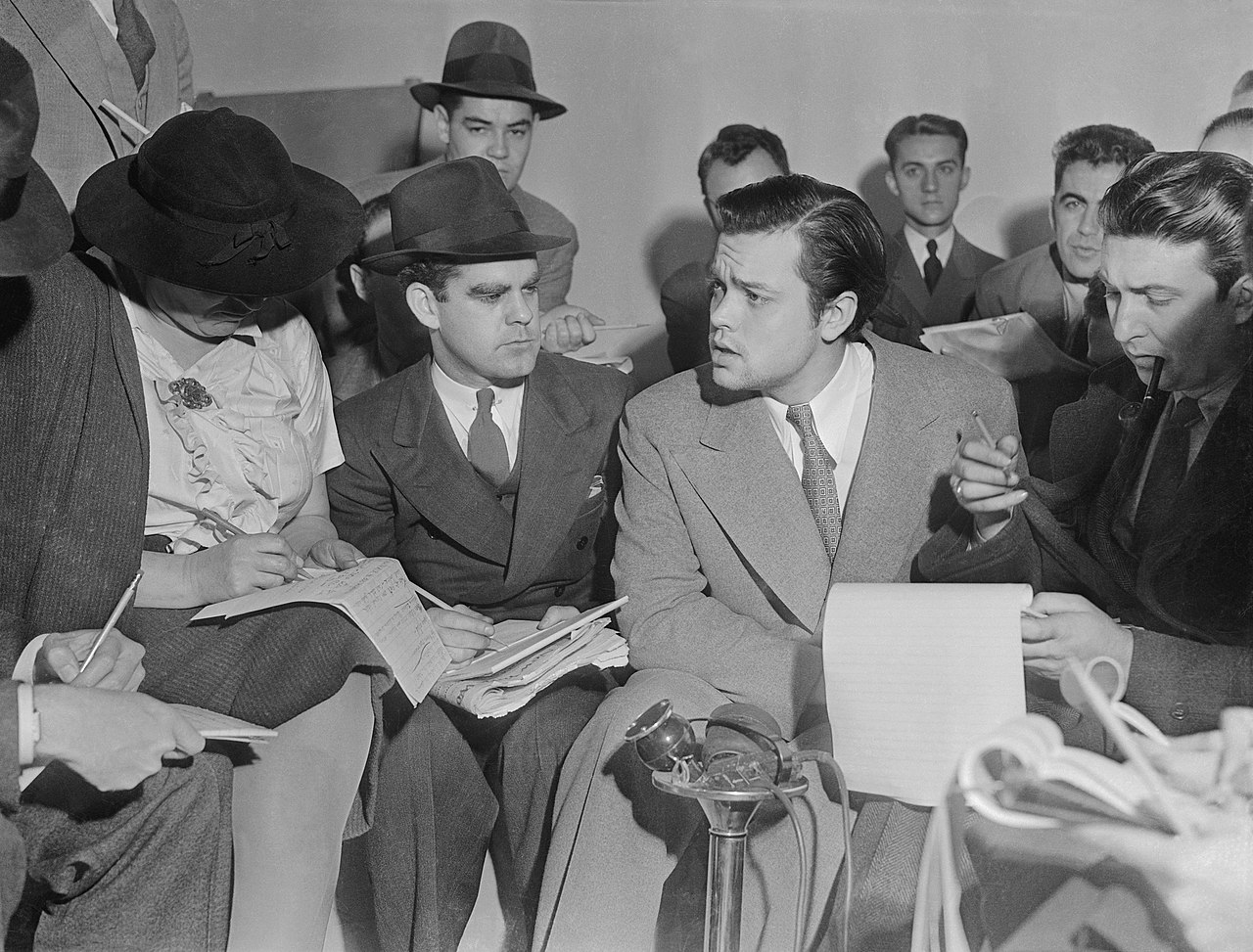
Welles rose to national attention in the 1930s with innovative stage productions and his radio company, the Mercury Theatre. In October 1938 his dramatic adaptation of The War of the Worlds was presented over radio as a scripted narrative about an invasion of Earth by beings from Mars. The program used realistic news bulletins and the conventions of a radio drama drawn from fiction, and some listeners treated it like a genuine newscast. The broadcast demonstrated the power of mass media, prompted discussions about responsibility in broadcasting, and established Welles as a household name.
Film innovations and Citizen Kane
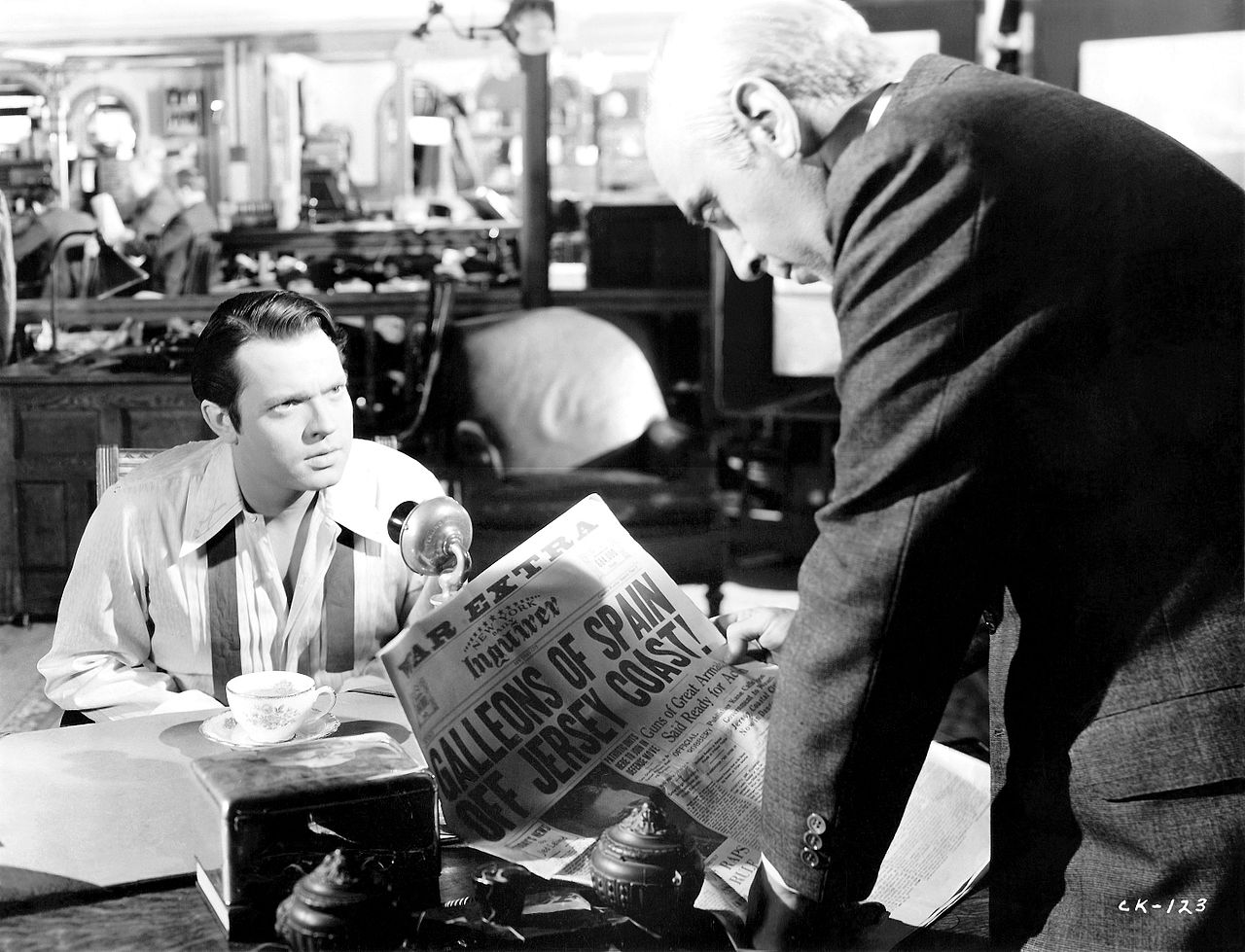
Welles made his feature-film debut with Citizen Kane (1941), which he co-wrote, produced, directed and starred in. The film is widely cited for its technical and narrative experiments: deep-focus photography, unusual camera angles, layered sound design, and a non-linear structure built around interviews and flashbacks. Although opinions about his later films vary, Citizen Kane remains a landmark in cinema history and is frequently discussed in studies of narrative form and cinematography.
Stage work, producing and artistic approach
Before and after his early Hollywood success Welles continued to return to the stage, mounting modern-dress Shakespeare productions and original plays that emphasized ensemble performance and theatrical invention. As a producer and company leader he experimented with scale and spectacle, often clashing with studios or financiers over control. His creative priorities favored storytelling techniques that challenged conventional studio practice and amplified the expressive potential of lighting, editing and performance.
Selected works and later career
- The War of the Worlds (radio, 1938)
- Citizen Kane (film, 1941)
- Mercury Theatre productions (stage and radio)
- Later films, acting roles, voice work and unfinished projects
Welles's later career was marked by a mixture of celebrated successes, disputed releases and numerous incompleted or re-edited projects. He continued to work internationally and in independent film, and to appear as an actor in projects ranging from major studio pictures to small European productions. His approach influenced directors, cinematographers and playwrights who admired his willingness to blend theatrical and cinematic methods.
Legacy and death
Welles left a complex legacy as a pioneering creative force who moved freely between mediums: stage, radio, film and television. His innovations in narrative technique and sound design are still taught in film and theatre programs, and his best-known works continue to be studied, restored and discussed. Welles died of a heart attack in Los Angeles, California, in 1985, but his influence on modern storytelling endures in both scholarly analysis and popular appreciation.
Related articles
Author
AlegsaOnline.com Orson Welles: filmmaker, actor, playwright and radio innovator Leandro Alegsa
URL: https://en.alegsaonline.com/art/73260