
Levant: the Eastern Mediterranean region of historical and cultural significance
The Levant is a historical and geographic region on the eastern Mediterranean coast, linking ancient civilizations, trade routes, and modern states from southern Turkey to the northern Arabian desert.
Overview
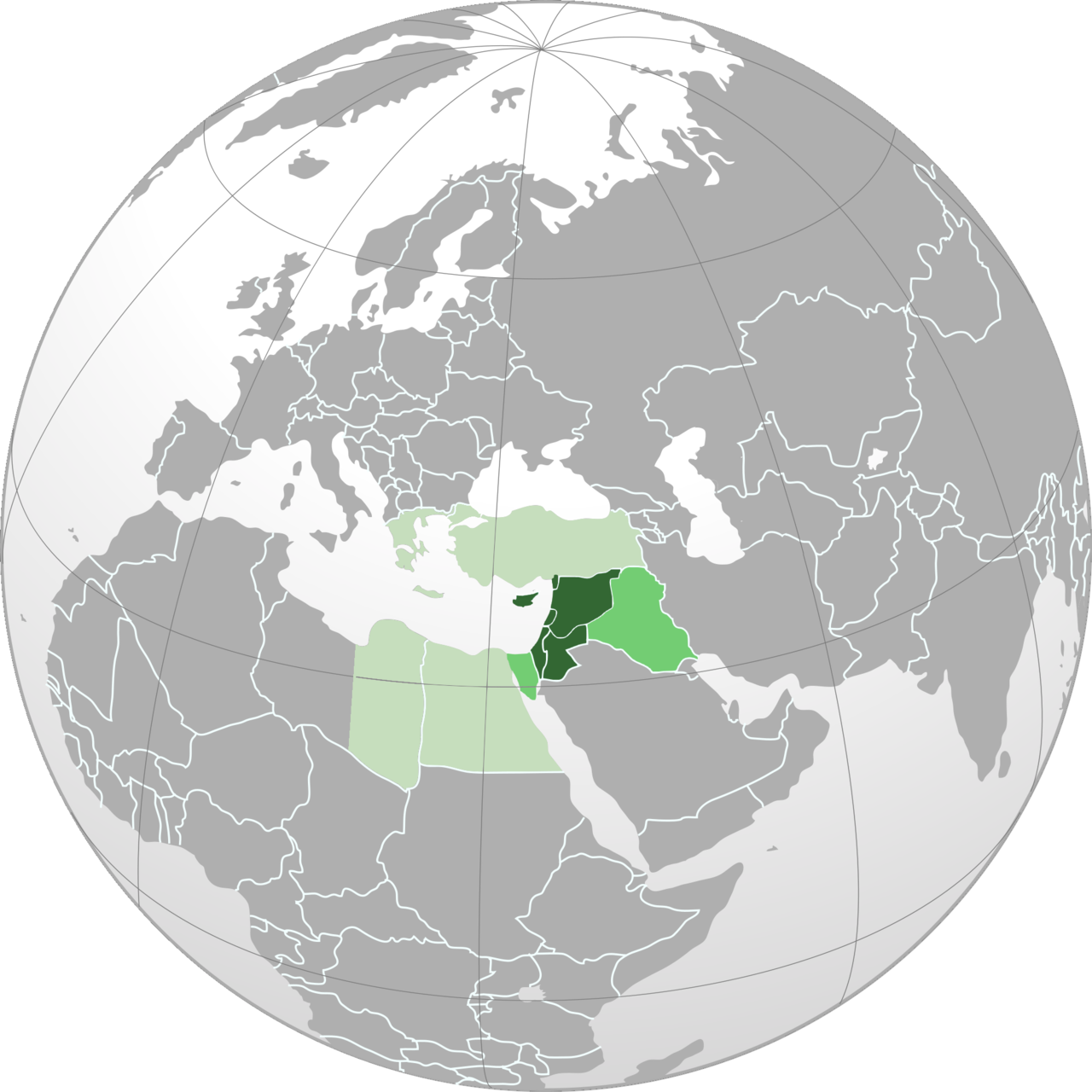
The Levant is a widely used regional label for the eastern shore of the Mediterranean and the inland territories directly adjacent to it. Scholars and reference works often treat it as a cultural, historical and geographical zone rather than a single political unit. In broad usage the term overlaps with what is sometimes called the eastern Mediterranean and a portion of the Middle East. Modern countries most commonly included are Lebanon, Jordan, the Palestinian territories and areas of historic Palestine (Palestine), the State of Israel, and Syria, though boundaries vary by discipline and context.
Image gallery
6 Images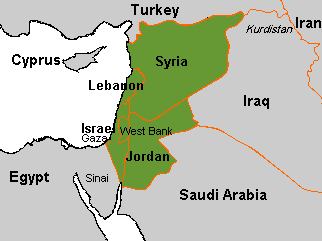

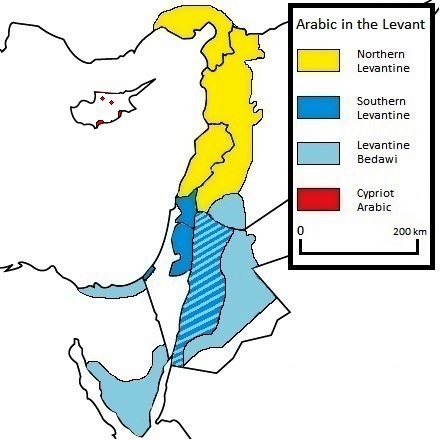
Geography and subregions
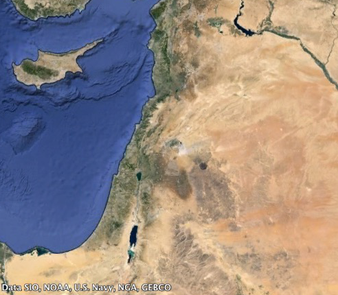
Definitions of the Levant differ by field. Natural limits often cited include the Taurus Mountains to the north, the Mediterranean Sea to the west, the northern edge of the Arabian Desert to the south, and the plains of Upper Mesopotamia to the east. Within those bounds the landscape runs from coastal plains and fertile valleys to mountain ranges and semiarid plateaus.
- Coastal Levant: port cities, maritime trade and historical Phoenician settlements.
- Interior highlands: zones of ancient settlements, pastoralism and terraced agriculture.
- Transitional deserts and steppes along the eastern margins.
History and origin of the name
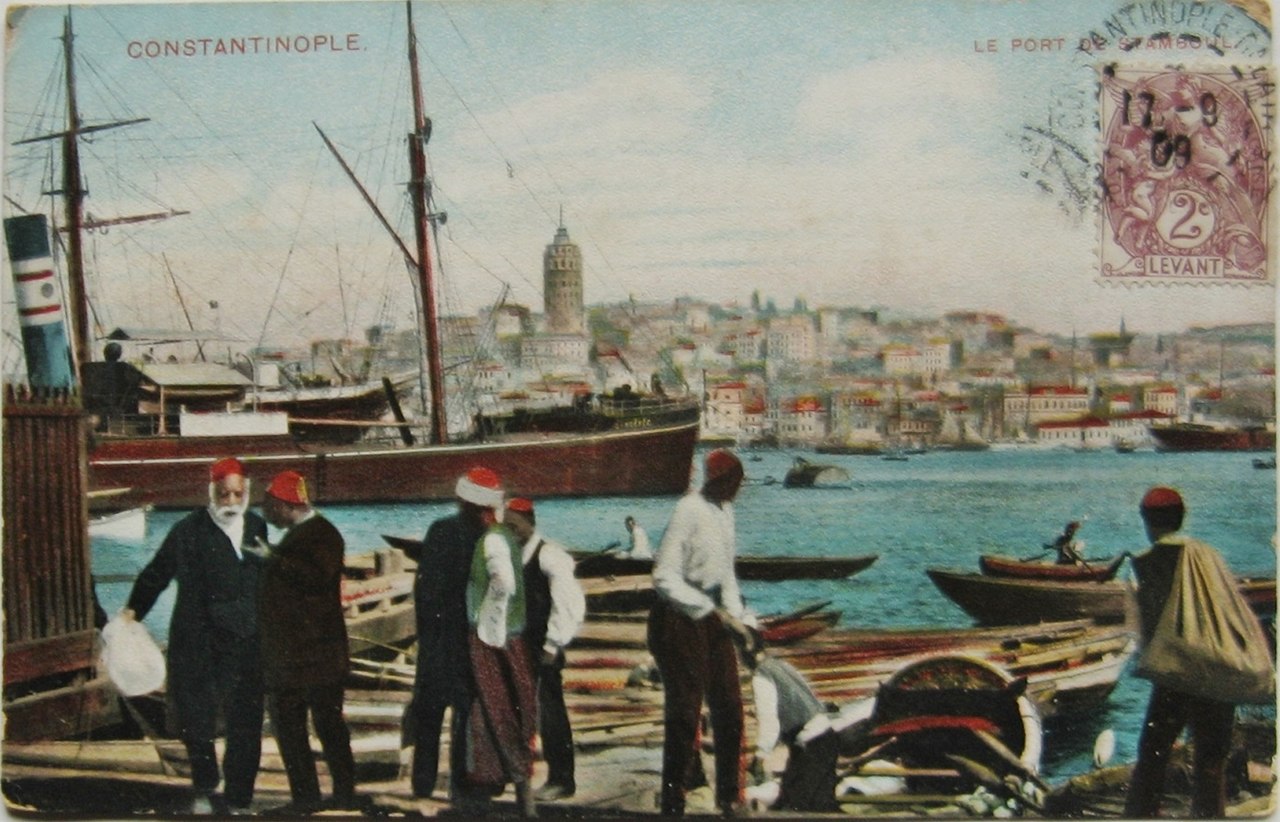
The English name "Levant" arrived in the 16th century, reflecting a European perspective of the east as the place of the rising sun; related terms appear in French and Italian. Early modern trade companies and diplomats used the word in reference to the Ottoman-controlled eastern Mediterranean. The region's human history, however, extends far earlier: it was a crossroads where early agriculture, urban life and alphabetic writing developed, and where peoples and empires such as the Canaanites, Israelites, Phoenicians, Assyrians, Persians, Greeks and Romans left enduring traces.
Because the term has European origins, historians and archaeologists often pair it with careful geographic qualifiers. For archaeological contexts the Levant is a key focus when discussing prehistory, Bronze Age civilizations and ancient histories, and it figures prominently in studies of the ancient and medieval eastern Mediterranean, including events like the Crusades.
Modern usage and political sensitivities
In contemporary writing the word can be descriptive but also contested. Some writers use "Levant" neutrally to indicate a geographic zone; others avoid it because it may obscure the national identities and political borders of present-day states. The label is sometimes reclaimed in cultural or regional studies to emphasize shared histories among Israel, Jordan, Lebanon, Syria and the Palestinian territories.
Importance and distinguishing features
The Levant's significance rests on its role as a corridor between Africa, Asia and Europe, its fertile river valleys and coastlines that supported early states, and its dense concentration of archaeological sites and cultural layers. It remains central to studies of ancient trade, religion, language development and colonial and imperial contacts. Modern disciplines—history, archaeology, political science and cultural studies—use the term with varying scopes and caveats.
Further reading and resources
For general orientation consult geographic overviews and historical surveys. Useful entry points include discussions in atlases and regional histories as well as specialized archaeological literature. For concise maps and period summaries, readers may follow general entries under the etymology and usage of the term, records of early European commercial contacts and treaties such as the 16th-century capitulations with the Ottoman Porte (see references), and comparative studies of ancient societies in adjacent zones like Upper Mesopotamia and the broader Mediterranean world.
Additional specialized resources address political geography, cultural continuity, and the archaeological sequence of the region. For thematic studies consult works on ancient maritime trade, urbanism, and the diffusion of agricultural techniques; for medieval and modern periods see accounts of empire, the Crusades and Ottoman administration.
geography • Middle East • Lebanon • Jordan • Palestine • Israel • Syria • Taurus Mountains • Mediterranean • Arabian Desert • Upper Mesopotamia • etymology • capitulations • prehistory • ancient • medieval • Palestinian territories
Related articles
Author
AlegsaOnline.com Levant: the Eastern Mediterranean region of historical and cultural significance Leandro Alegsa
URL: https://en.alegsaonline.com/art/98338
Sources
- levantine.plus.com : levantine.plus.com