
Thiruvananthapuram district — geography, history, and administration
Southernmost district of Kerala, India, containing the state capital Thiruvananthapuram; area 2,192 km², population about 3.3 million (2011). Overview of geography, history, administration, economy and culture.
Thiruvananthapuram district lies at the southern tip of the Indian state Kerala. Its administrative headquarters and the state capital is the city of Thiruvananthapuram (also called Trivandrum). The modern district was constituted in the mid-20th century and covers an area of about 2,192 square kilometres. According to the 2011 census the population was roughly 3.3 million, making it one of the most populous and densely settled districts in the state; it ranked second in population after Malappuram district.
Image gallery
10 Images

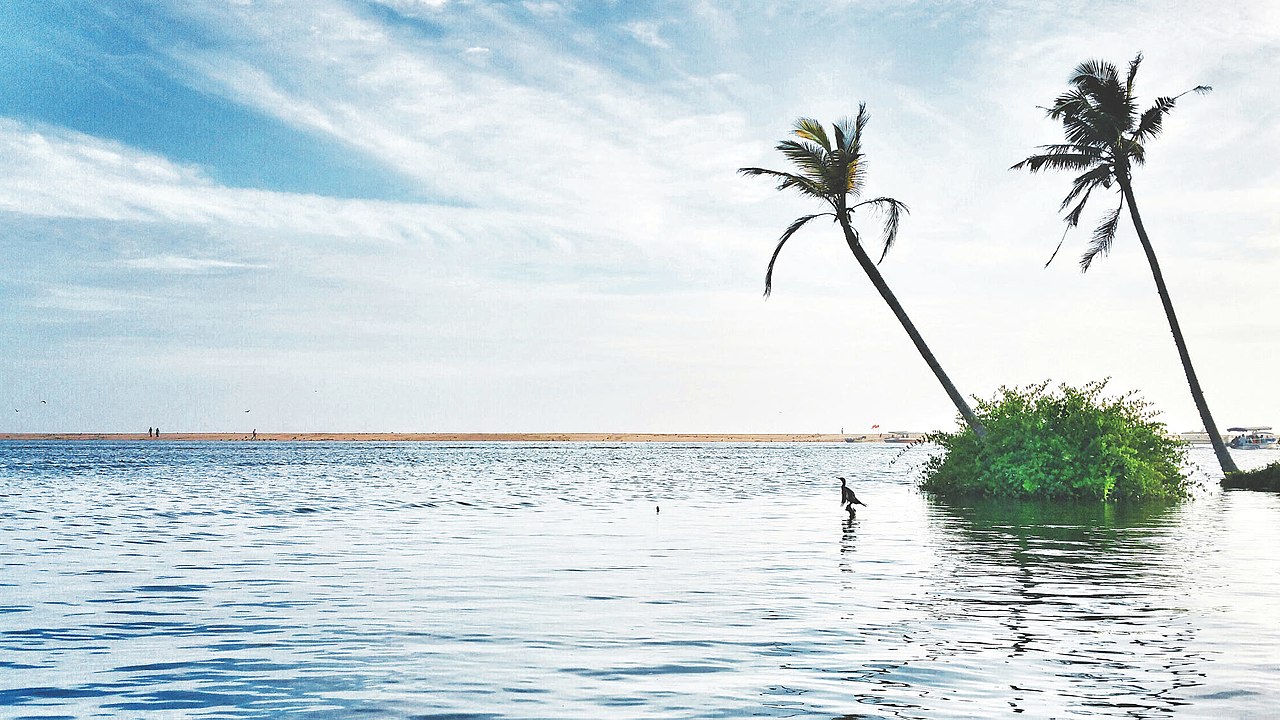


Location and physical characteristics
The district occupies a narrow coastal plain on the Arabian Sea with the Western Ghats rising to the east. This contrast produces a diversity of landscapes within a relatively small area: sandy beaches and rocky cliffs along the coast give way to laterite plateaus, rolling hills and forested uplands. The climate is tropical, strongly influenced by the southwest and northeast monsoons, and supports a mix of wet evergreen and tropical mixed forests in higher elevations.
Administrative divisions
For local governance the district is divided into several sub-district units and municipalities. There are six taluks that serve as administrative blocks: Thiruvananthapuram, Chirayinkeezhu, Neyyattinkara, Nedumangadu, Varkala and Kattakada. Urban local bodies include the Thiruvananthapuram Municipal Corporation and the municipalities of Varkala, Neyyattinkara, Attingal and Nedumangad among others.
History and cultural importance
The region has a long recorded history and was historically the seat of the Travancore principality before integration into the modern state of Kerala. The city of Thiruvananthapuram is a cultural and religious centre, known for the historic Sree Padmanabhaswamy Temple, museums, art institutions and traditional performing arts. Festivals celebrated here reflect Kerala's broader cultural patterns, with Onam, Vishu and regional temple festivals drawing large local participation.
Economy, infrastructure and services
The district's economy combines government and administrative services, information technology, education, tourism and coastal fisheries. The state capital hosts major public offices, universities and research institutions. Technological and business parks, health-care centres and cultural institutions have spurred urban employment. Coastal tourism is anchored by well-known beaches and cliffside resorts, while interior areas continue agricultural and plantation activities.
Transport and connectivity
Thiruvananthapuram district is a transport node for southern Kerala with an international airport, major highways and rail links connecting it to other parts of the state and the Indian peninsula. Local transport includes an expanding road network, suburban rail services and bus corridors that serve daily commuters and visitors.
Notable features and contemporary issues
- District capital functions: as the political and administrative heart of the state, the district plays a central governance role.
- Tourism hubs: coastal towns such as Varkala and nearby beaches attract domestic and international visitors.
- Environmental balance: pressures from urban growth, tourism and agriculture pose management challenges for coastal and hill ecosystems.
For further administrative and demographic details consult official district resources and regional planning documents. The district remains an important blend of administrative authority, cultural heritage and diverse natural landscapes within Kerala.
Related articles
Author
AlegsaOnline.com Thiruvananthapuram district — geography, history, and administration Leandro Alegsa
URL: https://en.alegsaonline.com/art/99431
Sources
- worldcat.org : 0970-9096