
Thessaly — central Greek region: geography, history and notable features
Thessaly is a central region of Greece known for its wide plain, mountainous borders, rich agricultural land and historical sites such as Meteora; it became part of the modern Greek state in 1881.
Overview
Thessaly is a traditional geographic area and a contemporary administrative region in central Greece. Dominated by one of the country’s largest plains, Thessaly blends fertile lowlands with rugged mountains and coastal inlets. Its administrative capital is Larissa, and the region is subdivided into five regional units and multiple municipalities.
Image gallery
10 Images


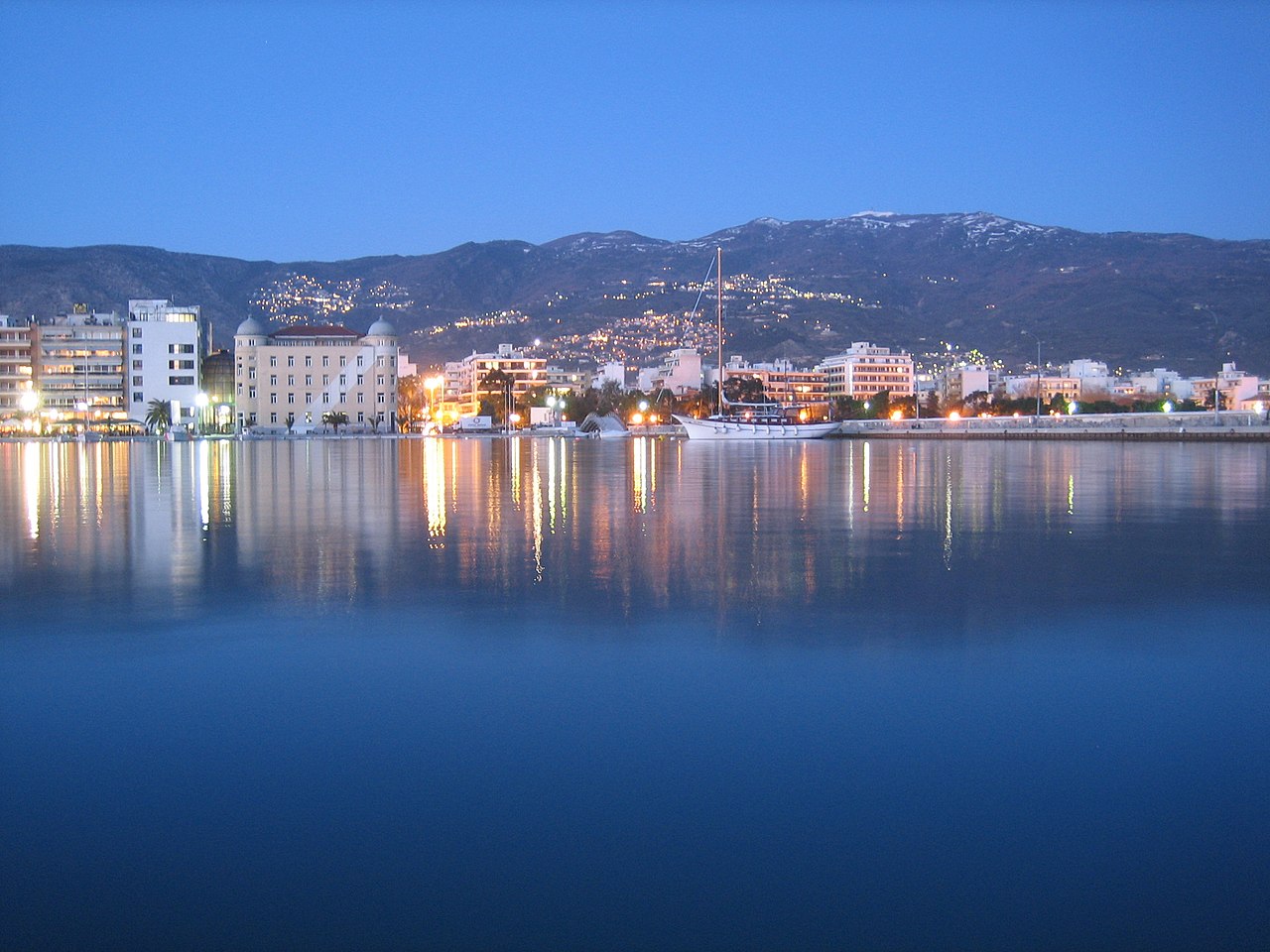
Geography and natural features
Thessaly’s landscape contrasts a broad, agriculturally productive plain with surrounding highlands. Major mountain ranges form natural boundaries: the Pindus range to the west and other ridges to the north and east, including terrain that rises toward Mount Olympus on the northern edge. The Pineios (Peneus) River is the principal watercourse, draining the plain toward the Aegean Sea and supporting extensive cultivation. The region also includes parts of the Sporades island group along the Aegean coastline.
Administrative divisions and settlements
- Regional units commonly cited for Thessaly include Larissa, Magnesia, Trikala, Karditsa and the Sporades.
- Larissa serves as the regional capital and largest urban center; other notable towns are Volos, Trikala, Karditsa and Kalampaka.
History and cultural background
Historically the area corresponds to ancient Thessaly, a recognizable district in classical Greece with its own political traditions and strong cavalry forces in antiquity. Homeric poetry referred to parts of the region as Aeolia. After centuries of Ottoman rule, Thessaly was incorporated into the modern Greek state in 1881. In the late 20th century it was organized as one of Greece’s administrative regions (from 1987 onward under modern regional government arrangements).
Economy, culture and tourism
The plain’s fertile soils make agriculture a central pillar of the local economy: cereals, industrial crops and livestock have long been important. Tourism is significant too, combining coastal resorts, mountain activities and cultural sites. Among the most visited attractions are the monasteries perched on the sandstone pillars of Meteora near Kalampaka, and the coastal and island resorts of the Pagasetic and Aegean shores.
Notable distinctions
- Thessaly stands out in Greece for its large continuous plain and its traditional role as an agricultural heartland.
- Meteora is a UNESCO-recognized ensemble of monastic sites and a distinctive geological and cultural landmark.
- The region preserves a layered heritage: prehistoric, classical, Byzantine and Ottoman traces are all visible in local monuments, folk traditions and place names.
For concise regional information, administrative details and travel-oriented resources, consult regional guides and official pages linked from authoritative portals. Additional historical and archaeological contexts are available in specialized studies of ancient Thessaly and modern regional developments.
Questions and answers
Q: What is Thessaly and where is it located?
A: Thessaly is both a traditional geographic and modern administrative region of Greece. It is in the central part of Greece and comprises most of the ancient region of Thessaly.
Q: What was Thessaly known as in the past?
A: Thessaly was known as Aeolia and appears so in Homer's Odyssey.
Q: When did Thessaly become part of the modern Greek state?
A: Thessaly became part of the modern Greek state in 1881, after four and a half centuries of Ottoman rule.
Q: How is Thessaly divided administratively?
A: Thessaly is sub-divided into five regional units and 25 municipalities.
Q: What is the capital of Thessaly?
A: The capital of Thessaly is Larisa.
Q: When did Thessaly become one of Greece's 13 regions?
A: Thessaly became one of Greece's 13 regions since 1987.
Q: What is the significance of Thessaly?
A: Thessaly is an important region in Greece, known for its rich history and culture. It played a significant role in ancient Greece and continues to contribute to the country's economic and cultural development.
Related articles
Author
AlegsaOnline.com Thessaly — central Greek region: geography, history and notable features Leandro Alegsa
URL: https://en.alegsaonline.com/art/99333