
Stimulant (central nervous system stimulant)
A stimulant is a substance that increases central nervous system activity, producing wakefulness and alertness. They vary widely in effect, medical use, risks and legal status.
Overview
A stimulant is a substance that temporarily raises the activity of the central nervous system and the body, producing increased alertness, energy, or attention. The term covers a broad group of compounds and products, from everyday substances to regulated medicines and illicit drugs. Some readers use the word to refer to any agent that increases physiological or mental arousal; in clinical and pharmacological contexts it denotes drugs that elevate neurotransmitter signaling or sympathetic nervous system output. See also group of drugs and distinctions with illegal drugs.
Image gallery
6 Images




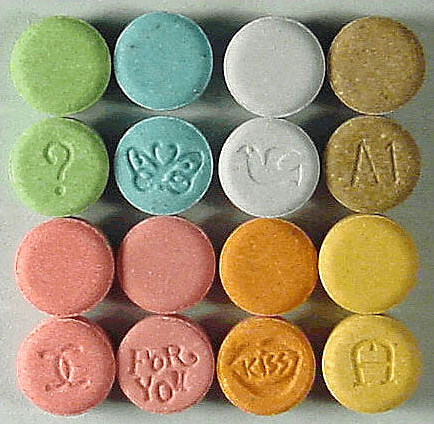
How stimulants work
Stimulants produce their effects by altering chemical communication in the brain and by activating peripheral systems. Many increase the availability of monoamine neurotransmitters—especially dopamine and norepinephrine—either by promoting release, inhibiting reuptake, or both. Others act on different receptors, for example nicotine at nicotinic acetylcholine receptors. This activity affects synaptic signaling in the nervous system and produces the characteristic subjective and physiological responses. Repeated use can lead to addiction or tolerance in some substances.
Common classes and examples
- Amphetamine-type compounds: classical central stimulants such as amphetamine, prescription medicines like methylphenidate, and more potent variants such as methamphetamine. Related sympathomimetics include decongestants and bronchodilators such as pseudoephedrine and ephedrine, and recreational entactogens sometimes labelled as "ecstasy".
- Xanthines: commonly consumed stimulants with milder profiles, including caffeine, theophylline and theobromine, found in coffee, tea, chocolate and some medicines.
- Piperazine derivatives: synthetic stimulants such as benzylpiperazine and trifluoromethylphenylpiperazine, which have appeared in recreational drug markets.
- Other notable stimulants: natural and synthetic agents like cocaine and nicotine, plus wakefulness-promoting drugs such as modafinil. Each has a different mechanism and risk profile.
Medical uses and legal status
Some stimulants have accepted medical roles. Amphetamine-like medicines are commonly prescribed for attention deficit hyperactivity disorder (ADHD) and narcolepsy; prescription stimulants are regulated because of potential misuse. Xanthines appear in treatments for respiratory conditions and as mild stimulants in over-the-counter products. Legal status varies: caffeine and nicotine are widely available, many amphetamines and cocaine are controlled substances, and some compounds are available on prescription only.
Risks, side effects and harm reduction
Short-term effects of stimulants typically include increased heart rate, raised blood pressure, reduced appetite, wakefulness and improved concentration. Adverse reactions range from anxiety, sleep disruption and digestive problems to more serious cardiovascular strain or acute psychiatric symptoms at high doses. Long-term or heavy use can cause tolerance, dependence, or addiction and may worsen mental health in susceptible individuals. Harm reduction emphasizes dose control, medical supervision for prescription use, avoidance of mixing with other stimulants or depressants, and seeking help for problematic use.
History and notable facts
Stimulants have a long history of both traditional use and modern pharmacology. Natural stimulants such as caffeine and nicotine have been used for centuries. Synthetically derived stimulants were developed in the late 19th and early 20th centuries and have been applied in medicine as well as misused recreationally. Caffeine remains the most widely consumed psychoactive substance worldwide. Scientific understanding continues to refine how different stimulants act on brain systems and how their benefits can be balanced against risks.
Related articles
Author
AlegsaOnline.com Stimulant (central nervous system stimulant) Leandro Alegsa
URL: https://en.alegsaonline.com/art/93946