
Cocaine
Cocaine is a potent stimulant made from coca leaves; used recreationally for its energizing and euphoric effects and, in limited medical settings, as a topical anesthetic. It carries serious health and legal risks.
Cocaine is a powerful central nervous system stimulant produced from the leaves of plants in the coca family. In its purified form it usually appears as a white crystalline powder or as solid chunks (``crack'' when processed into a freebase form). Recreational use aims at short‑lived increases in alertness, confidence and pleasure, but these effects come with significant risks and a high potential for dependence.
Image gallery
10 Images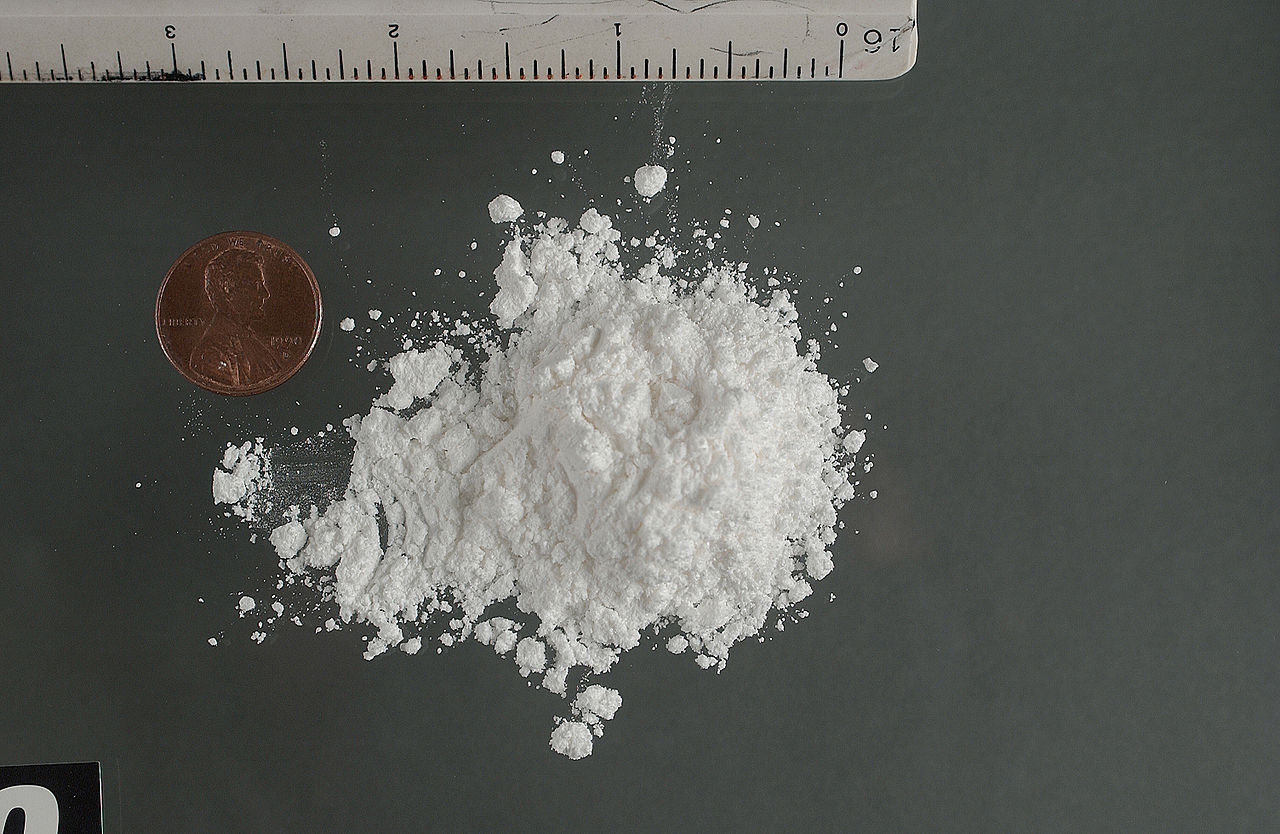



Characteristics and common forms
Chemically, cocaine acts on pathways in the brain that regulate dopamine, norepinephrine and serotonin. It is commonly snorted, injected after dissolution, or smoked when converted to a freebase. Different routes of administration alter the onset and intensity of effects, with smoking and injection producing very rapid but shorter‑lived highs. The refined powder is separated from the raw coca leaves through chemical extraction and purification processes.
History and medical uses
Indigenous peoples in parts of South America chewed coca leaves for their mild stimulant and appetite‑suppressing properties. In the 19th century, chemists isolated the active alkaloid and researchers explored its local numbing effects. Today, the compound still has limited legitimate medical applications: it can function as a topical local anesthetic and vasoconstrictor in specific clinical procedures. Historically it was used more widely before safer synthetic anesthetics were developed.
Effects, harms and dependence
Short‑term effects include wakefulness, elevated mood, reduced need for sleep, increased heart rate and blood pressure, and narrowed blood vessels. These arise from stimulation of the nervous system but may also cause anxiety, paranoia, or violent behavior in some users. Repeated use often leads to tolerance and compulsive use: cocaine is well recognized as highly addictive for many people.
- Cardiovascular risks: heart attack, stroke and arrhythmias.
- Respiratory and nasal damage from smoking or snorting.
- Mental health effects: mood disorders, psychosis and cognitive decline.
- Infectious risks when injected.
Legal status and social impact
In most countries, nonmedical possession, distribution and manufacture of cocaine are illegal and subject to criminal penalties. Its illicit trade has broad social and economic consequences, including violence associated with trafficking, public health burdens from addiction, and legal systems responding to supply and demand.
Treatment for cocaine dependence includes behavioral therapies, counseling and support groups; no single medication is universally accepted to reverse addiction. Distinct from chewing whole coca leaves in traditional contexts, modern refined cocaine produces much stronger, faster effects and a higher risk profile. When used topically in clinical settings it may be applied to the skin or mucous membranes, for example on the skin or gums, but such uses are controlled and rare compared with recreational use.
Questions and answers
Q: What is cocaine?
A: Cocaine is a strong stimulant drug made from coca leaves, usually in the form of white powder.
Q: How is cocaine commonly used?
A: Most cocaine is used as an illegal drug due to its stimulant effects, which provide energy and make people feel happy when taken.
Q: Is cocaine addictive?
A: Yes, when used as an illegal drug, cocaine is highly addictive.
Q: How can cocaine be used medicinally?
A: Cocaine can be used as a local anesthetic if applied topically to the skin or gums.
Q: What are some effects of cocaine use?
A: In addition to its stimulant effects, cocaine can also cause increased heart rate, blood pressure, and body temperature, as well as restlessness, anxiety, and paranoia.
Q: How does cocaine affect the body?
A: Cocaine affects the body by increasing levels of dopamine, a neurotransmitter associated with pleasure and reward, which can lead to addiction and other harmful effects on the brain and body.
Q: Why is cocaine use illegal?
A: Cocaine use is illegal due to its highly addictive nature and the negative health and social impacts associated with its use.
Related articles
Author
AlegsaOnline.com Cocaine Leandro Alegsa
URL: https://en.alegsaonline.com/art/21308
Sources
- wikidata.org : wikidata.org/wiki/Q41576
- d-nb.info : 4128249-8
- catalog.archives.gov : 10638032
- id.ndl.go.jp : 00575600