
Ephedrine — natural alkaloid, stimulant and medicinal agent
Ephedrine is a naturally occurring alkaloid primarily from Ephedra species; it has stimulant and bronchodilator effects, medical uses, notable safety risks, and is regulated because of misuse and precursor concerns.
Overview
Ephedrine is a naturally occurring organic alkaloid and a sympathomimetic amine. It is chemically related to the phenethylamine family and has both stimulant and bronchodilating effects. For general context on alkaloids see alkaloid and for discussion of botanical sources see plant sources.
Image gallery
3 Images

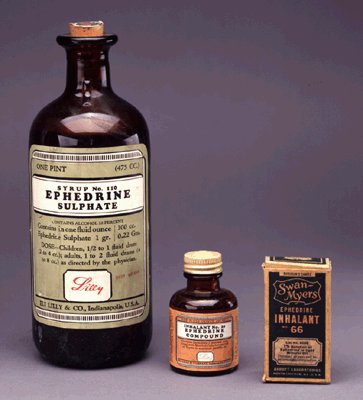
Chemistry and pharmacology
Ephedrine is a small, chiral molecule that exists in stereoisomeric forms; one closely related isomer is pseudoephedrine, which is used as a decongestant. Pharmacologically, ephedrine acts by promoting the release of norepinephrine and by directly stimulating adrenergic receptors. These actions produce increased heart rate, vasoconstriction, bronchodilation and central nervous system stimulation. It crosses the blood–brain barrier and has both peripheral and central effects.
Natural sources and history
The most familiar natural source of ephedrine is plants of the genus Ephedra, used for centuries in traditional Chinese medicine under the name ma huang. Modern supplies are obtained by extraction from plant material and by chemical synthesis; many pharmaceutical preparations are manufactured rather than plant-derived.
Medical uses
In medicine, ephedrine has been used as a bronchodilator, nasal decongestant and as a vasopressor to treat low blood pressure during anesthesia. It may be used for short-term support in certain emergencies under medical supervision. Because of cardiovascular and central nervous system effects, its therapeutic use is usually limited and monitored.
Safety, interactions and regulation
Adverse effects can include hypertension, palpitations, nervousness, insomnia and headache; severe reactions such as stroke or seizures have been reported in susceptible individuals. Dangerous drug interactions include monoamine oxidase inhibitors and some other cardiovascular agents. Ephedrine is also a regulated substance in many jurisdictions because it can be used as a precursor in illicit synthesis of methamphetamine; sales, distribution and inclusion in dietary supplements are controlled or restricted in numerous countries.
Distinctions and practical notes
Important distinctions exist between ephedrine and related compounds (for example, pseudoephedrine and synthetic stimulants). Clinical decisions about use, dosing and risks should rely on current medical guidelines and regulatory information. Readers seeking technical details or legal status should consult authoritative pharmacology references or official regulatory sources.
Related articles
Author
AlegsaOnline.com Ephedrine — natural alkaloid, stimulant and medicinal agent Leandro Alegsa
URL: https://en.alegsaonline.com/art/31691
Sources
- cutz-n-gainz.com : cutz-n-gainz.com/ephedrin/ephedrin-skandal-90er-ephedra-ban-2004/
- chinadialogue.net : chinadialogue.net/article/show/single/en/692-Chinese-medicine-s-great-waste-of-resources
- wikidata.org : wikidata.org/wiki/Q219626
- d-nb.info : 4152491-3
- id.loc.gov : sh85044255