
Stomach cancer (gastric cancer): overview, types, causes, diagnosis and treatment
Comprehensive overview of stomach (gastric) cancer: what it is, major types, causes including H. pylori, symptoms, diagnosis, treatment options, prevention and global patterns.
Overview
Stomach cancer, also called gastric cancer, is a malignant growth that arises from tissues of the stomach. It can begin in different layers and cell types, and its behavior and outlook depend on location, histology and stage at diagnosis. Globally, gastric cancer remains an important cause of cancer mortality, with hundreds of thousands of deaths each year. Patterns of incidence vary widely by region and have changed over time.
Image gallery
10 Images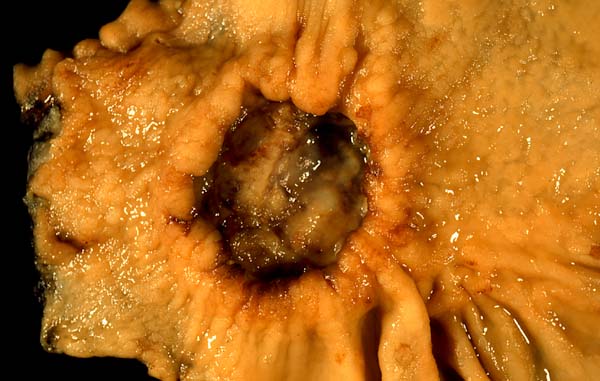


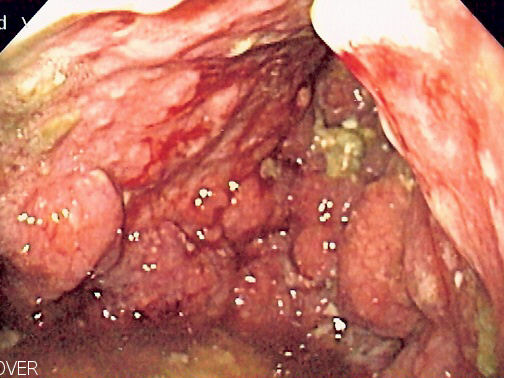

Causes and risk factors
Multiple environmental, infectious and genetic factors contribute to the development of stomach cancer. Infection with Helicobacter pylori is a major risk factor for non-cardia gastric cancer and is linked to chronic inflammation and a progression from gastritis to atrophy and intestinal-type cancer. Other important influences include tobacco use, certain dietary habits and a family history of gastric cancer.
- Dietary associations: high intake of salted, smoked or pickled foods has been associated with increased risk; fresh fruits and vegetables are generally protective.
- Medical and infectious: longstanding H. pylori infection, pernicious anemia, prior gastric surgery, and certain viruses can raise risk for specific subtypes.
- Genetic factors: inherited syndromes (for example CDH1 mutations) increase risk of hereditary diffuse gastric cancer; other familial clustering is recognized.
- Other: increasing age, male sex, obesity (especially for cancers near the gastroesophageal junction), and smoking.
Types and pathology
The most common form is adenocarcinoma, which arises from the glandular cells lining the stomach. Adenocarcinomas are frequently classified by location (cardia versus non‑cardia) and by histologic patterns such as the Lauren system (intestinal and diffuse types). Other tumours that can involve the stomach include primary lymphomas (including MALT lymphoma), gastrointestinal stromal tumors (GIST), and neuroendocrine (carcinoid) tumours; each has distinct biology and treatment approaches.
Symptoms, diagnosis and staging
Early-stage stomach cancer may produce few or nonspecific symptoms. More advanced disease commonly causes persistent upper abdominal pain, early satiety, unintended weight loss, nausea or vomiting, difficulty swallowing when the tumor is near the cardia, and iron-deficiency anemia from chronic bleeding. Diagnosis relies on endoscopy with biopsy to establish pathology. Imaging such as CT, endoscopic ultrasound and PET may be used to assess local extent and distant spread. Accurate staging guides treatment decisions.
Treatment and prognosis
Treatment depends on stage and tumour type. For localized adenocarcinoma, surgery (partial or total gastrectomy with regional lymph node assessment) offers the best chance of cure and is often combined with perioperative or adjuvant chemotherapy and, in some settings, radiation. Advanced or metastatic disease is managed with systemic chemotherapy, targeted agents for selected molecular profiles (for example HER2-positive tumours), and immunotherapy in appropriate cases. Lymphomas, GISTs and neuroendocrine tumours follow different specialist regimens. Overall outcomes vary substantially by stage at diagnosis and by healthcare context; earlier detection is strongly associated with better prognosis.
Prevention, screening and public health
Reduction of population risk has been linked to improvements in food preservation (refrigeration) and reduced consumption of salted and smoked foods. Eradication of H. pylori infection lowers risk in many settings and is an important preventive measure in high-prevalence populations. Organized screening using endoscopy or other methods is practiced in countries with high incidence (for example parts of East Asia) and can detect cancers at earlier, more treatable stages. Tobacco control, healthier diets and surveillance of high-risk individuals are additional public-health strategies.
For concise background reading see stomach cancer summaries and anatomical references for the stomach. Further specialist information about H. pylori is available at Helicobacter pylori resources.
Questions and answers
Q: What is stomach cancer?
A: Stomach cancer, also known as gastric cancer, is a type of cancer that can occur in any part of the stomach.
Q: How many deaths worldwide are caused by stomach cancer?
A: Stomach cancer causes around 800,000 deaths worldwide per year.
Q: What are the odds of surviving stomach cancer?
A: The odds of survival for stomach cancer are generally between 5 to 15%.
Q: How long is the life span of someone with stomach cancer?
A: The life span of someone with stomach cancer is typically between five to fifteen years.
Q: Is stomach cancer caused by diet foods?
A: There is no proven link between diet foods and stomach cancer. However, certain foods such as smoked foods, salted fish and meat, and pickled vegetables may be associated with a higher risk.
Q: What is the most common type of stomach cancer?
A: The most common type of stomach cancer is adenocarcinoma, which begins in the cells lining the inside of the stomach.
Q: How are the types of stomach cancer categorized?
A: The types of stomach cancer can be categorized based on the location in the stomach where the cancer begins.
Related articles
Author
AlegsaOnline.com Stomach cancer (gastric cancer): overview, types, causes, diagnosis and treatment Leandro Alegsa
URL: https://en.alegsaonline.com/art/94030
Sources
- who.int : "Cancer (Fact sheet N°297)"
- merck.com : Tumors of the GI Tract