
Methylphenidate (Ritalin, Concerta): overview, effects, uses and risks
A concise encyclopedia entry on methylphenidate: what it is, how it works, clinical uses, formulations, common side effects, history, legal status and social concerns including misuse and growth effects in children.
Overview
Methylphenidate is a central nervous system stimulant that is chemically related to amphetamines and widely prescribed under brand names such as Ritalin and Concerta. It acts mainly on the brain's catecholamine systems, increasing levels of dopamine and norepinephrine in key pathways of the brain. Clinically it is used to improve attention, reduce impulsivity and treat excessive daytime sleepiness.
Image gallery
10 Images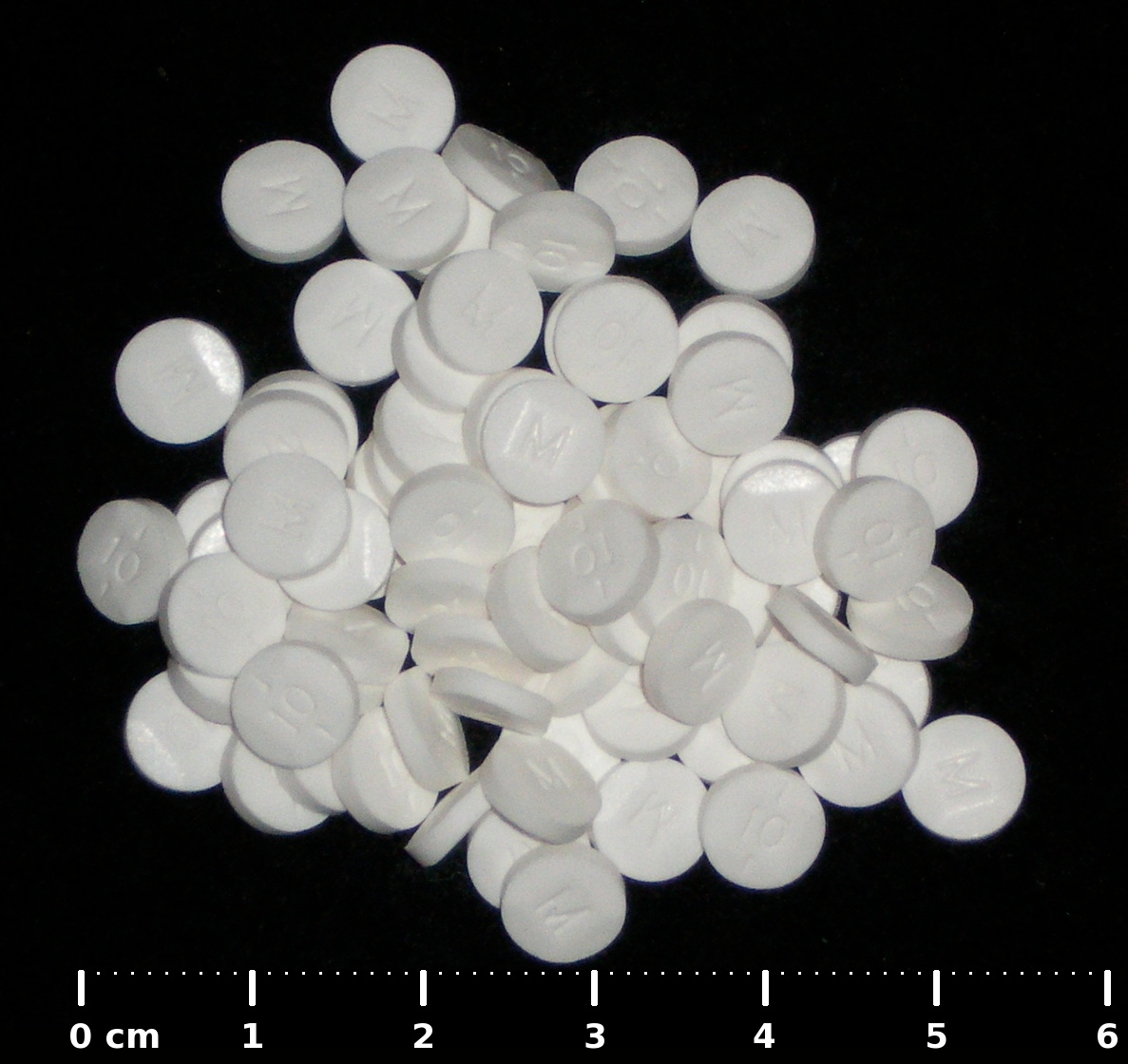


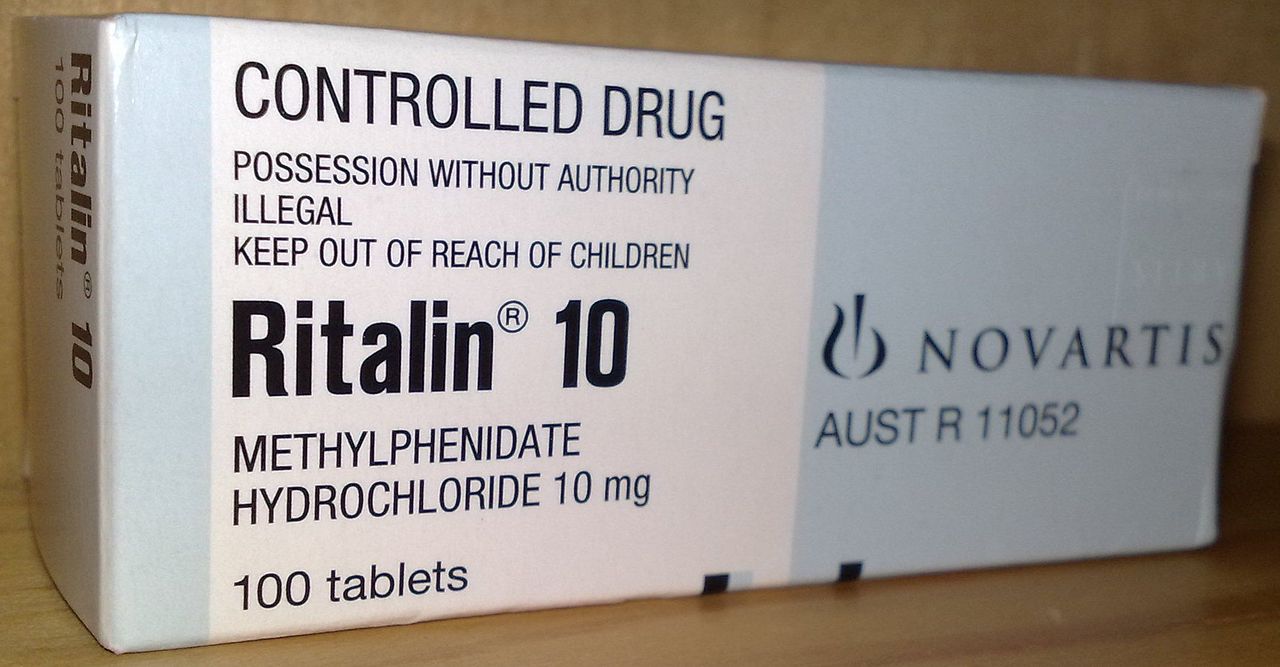


Pharmacology and mechanism
Methylphenidate blocks the reuptake transporters for dopamine and norepinephrine, which elevates their availability at synapses and enhances signaling in networks involved in attention and arousal. The drug's stimulant effects on the central nervous system produce increased alertness and concentration in therapeutic doses, while higher or nonmedical doses can lead to euphoria and cardiovascular stimulation.
Formulations and administration
Available formulations include immediate-release tablets and several extended-release preparations designed to provide longer symptom control with once-daily dosing. Some extended-release products use different delivery technologies to produce a gradual increase in blood levels and a later decline. Dosage and choice of formulation are individualized based on symptom control, side effects and duration of action required.
Approved uses and off-label applications
Methylphenidate is primarily prescribed for attention-deficit hyperactivity disorder (ADHD) and for narcolepsy. In some cases it is used as an adjunct to antidepressant therapy or off-label for other conditions where improved wakefulness or attention is desired. In most jurisdictions it must be prescribed by a qualified clinician and is regulated as a controlled substance because of its abuse potential.
Side effects and risks
Common adverse effects include nervousness, reduced sleep and appetite changes; these are often reported early in treatment. Typical complaints are listed below and should be monitored during therapy.
- Insomnia and nervousness
- Changes in blood pressure and heart rate
- Headache and gastrointestinal discomfort
- Weight loss or slowed weight gain in children
- Worsening of tics in some patients, including reports related to Tourette syndrome
- Rare psychiatric effects such as psychosis or severe anxiety
Longer-term concerns include the potential for growth suppression when used in childhood, possible cardiovascular effects in vulnerable people, and the risk of psychological dependence when misused. Recreational use can produce euphoria and has been associated with serious harms including overdose.
History, regulation and social issues
Methylphenidate was developed in the mid-20th century and introduced clinically some decades ago; since then it has become one of the most frequently prescribed medications for ADHD. Because it can enhance concentration, nonmedical use for academic performance has been reported and critiqued in the media. Prescribers balance potential benefits against risks; monitoring, appropriate diagnosis and careful follow-up are emphasized to reduce misuse.
Practical considerations
Before starting methylphenidate, clinicians typically assess cardiovascular history, psychiatric background and growth in children. Treatment decisions consider alternative therapies, behavioral interventions and patient preference. If side effects occur or benefit is limited, dose adjustment or change of formulation is common practice. For authoritative guidance on dosing, safety and interactions consult clinical resources or a prescribing clinician (drug information, ADHD guidelines, narcolepsy guidance). More detailed regulatory, pharmacologic and patient-oriented materials can be found via specialist sources and healthcare providers (stimulant class, CNS action, neurochemistry, brain effects, prescription rules, sleep effects, cardiac monitoring, headache management, nutrition and growth, tic disorders, psychiatric safety, social debate).
Related articles
Author
AlegsaOnline.com Methylphenidate (Ritalin, Concerta): overview, effects, uses and risks Leandro Alegsa
URL: https://en.alegsaonline.com/art/64213
Sources
- meta.wkhealth.com : "Detection of the novel metabolite ethylphenidate after methylphenidate overdose with alcohol coingestion"
- doi.org : 10.1097/00004714-199908000-00013
- pubmed.ncbi.nlm.nih.gov : 10440465
- care.com : "Yes or No?: Does ADHD Stimulant Medication Suppress Growth?"
- wikidata.org : wikidata.org/wiki/Q422112
- d-nb.info : 4467327-9
- id.loc.gov : sh91001552