
Addiction: causes, brain mechanisms, treatment, and prevention
Addiction is a chronic brain disorder marked by compulsive use of substances or behaviors despite harm. This article explains types, neurobiology, diagnosis, treatment options, prevention, and social considerations.
Overview
Addiction is a pattern of compulsive behavior in which a person continues to seek or use a substance or engage in an activity despite negative consequences. Clinical definitions emphasize that addiction is a treatable, chronic medical condition involving interactions among brain circuits, genetics, environment and life experiences. Addiction can affect both the body and the mind, and it may be expressed as problematic use of substances or as problematic behaviors.
Image gallery
3 Images

Types and common examples
Addictions are often categorized into substance use disorders and behavioral (or process) addictions. Substance-related examples include illicit and prescription drugs, tobacco, alcohol, and stimulants or depressants. Everyday stimulants such as caffeine can produce dependence in some individuals. Specific substances that commonly produce rapid and intense reinforcement include cannabis/hashish and cocaine. Behavioral examples include problem gambling, excessive use of the internet or gaming, and compulsive consumption of foods such as chocolate or comfort eating.
How addiction develops
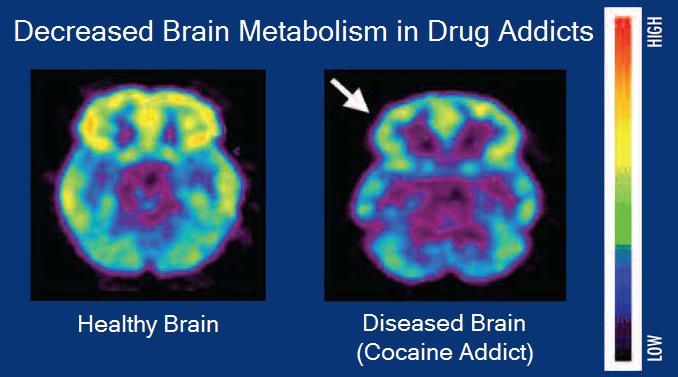
Addiction emerges through repeated exposure to an experience that activates brain reward systems. Neurotransmitters and circuits that process pleasure, motivation and learning are altered; this can increase tolerance (needing more to achieve the same effect), create withdrawal symptoms when use stops, and strengthen habits. Genetic vulnerability and early life experiences interact with stress, social environment and availability of substances or behaviors to influence risk. For many people the process is gradual; for others, especially with potent drugs, the transition to compulsive use can be rapid. These changes can make choices feel less voluntary and more driven by craving, though the degree of impaired control varies widely across individuals and contexts — a point sometimes discussed in relation to free will.
Signs, diagnosis and consequences
- Signs include strong cravings, unsuccessful attempts to cut down, continued use despite harm, and increased tolerance or withdrawal.
- Clinical diagnosis uses structured criteria to assess the pattern and severity of use; clinicians also evaluate medical, psychological and social effects.
- Consequences can be physical (organ damage, infections), psychological (mood disorders, cognitive changes), and social (relationship, legal and work problems).
Treatment approaches
Treatment typically combines medical care, counseling and social support. In acute cases a supervised hospital or outpatient detoxification may be needed to manage withdrawal. Evidence-based options include medication-assisted treatments for certain substance disorders, cognitive-behavioral therapy, motivational interviewing, contingency management, and family or couples therapy. Peer-support groups and long-term recovery programs often help maintain change. Relapse is common and is recognized as part of the chronic disease process rather than a moral failing; sustained recovery is supported by ongoing care, lifestyle change and addressing co-occurring mental health conditions.
Prevention, public health and notable facts
Prevention strategies address social determinants, reduce access to harmful substances, and teach coping and decision-making skills. Harm-reduction measures — such as safer-use education, needle exchanges, and supervised consumption services — aim to reduce immediate health risks while connecting people to care. Public attitudes vary: some view addiction as a choice, others as a medical disorder, but most modern health organizations emphasize a combined medical, social and behavioral model. Effective programs consider the whole person and community, recognizing that genetics and environment together influence risk and outcome.
Resources and further reading
People seeking help or information can find resources through health services and professional organizations. For general information and support, consult qualified health professionals and local services linked to treatment, counseling and recovery networks. Additional materials are often available from specialized organizations and educational resources (body-focused resources, mental health guides, and treatment directories such as those that list medication and therapy options). For specific topics referenced earlier see links for drugs, tobacco, alcohol, caffeine, cannabis, cocaine, internet use, food cravings, and gambling. For conceptual or legal discussions see materials tied to treatment settings and ethics (medical care) or broader philosophical contexts (free will).
Related articles
Author
AlegsaOnline.com Addiction: causes, brain mechanisms, treatment, and prevention Leandro Alegsa
URL: https://en.alegsaonline.com/art/915