
Streptococcus pneumoniae (pneumococcus)
A gram-positive, alpha-hemolytic diplococcus that commonly colonizes the human nasopharynx and can cause pneumonia, meningitis, otitis media and sepsis; notable for its polysaccharide capsule and vaccines.
Overview
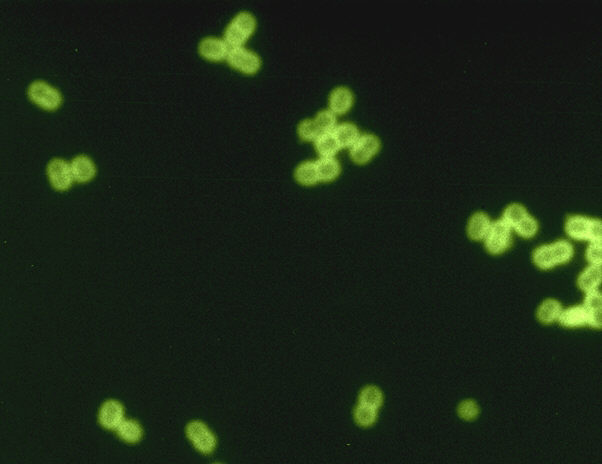
Streptococcus pneumoniae, commonly called pneumococcus, is a spherical, usually paired bacterium. It is classed as gram-positive and shows alpha-type hemolysis on blood agar. It belongs to the genus Streptococcus and is an aerotolerant organism frequently carried in the human upper respiratory tract. Clinically it is an important pathogen that causes a range of infections from mild ear and sinus disease to severe pneumonia and invasive disease.
Image gallery
5 Images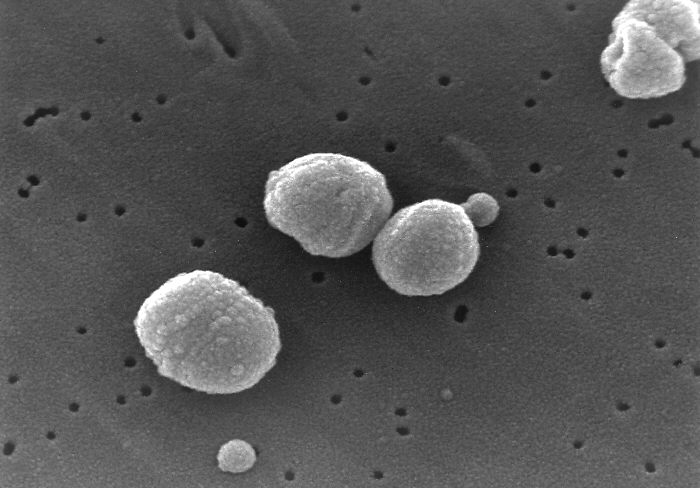



Characteristics and virulence
Pneumococcus is typically observed as lancet-shaped diplococci. Key laboratory features that help identification include optochin sensitivity and bile solubility. The bacterium’s most important virulence factor is a polysaccharide capsule, which varies between many serotypes and helps the organism evade host defenses. Other factors include pneumolysin, surface adhesins, and enzymes that promote colonization.
Disease spectrum and importance
S. pneumoniae causes noninvasive infections such as otitis media and sinusitis and invasive infections such as community-acquired pneumonia, meningitis and bloodstream infection. It commonly spreads by respiratory droplets and colonizes the nasopharynx, particularly in young children and older adults. Public health importance is high because of morbidity and mortality worldwide and because antibiotic resistance has emerged over recent decades.
Diagnosis, treatment and prevention
- Diagnosis: culture, antigen detection and molecular tests may be used to identify pneumococcal infection.
- Treatment: historically penicillin was effective; however resistance has influenced empirical therapy choices and broadened use of other antibiotics in some settings.
- Prevention: vaccines that target the capsule (conjugate vaccines and polysaccharide vaccines such as PCV13 and PPSV23) have reduced disease from vaccine-covered serotypes.
History and research
Pneumococcus was recognized as a major cause of pneumonia in the late 19th century and featured in classic experiments that shaped modern genetics and immunology. Research into capsular diversity, host humoral responses and mechanisms of antibiotic resistance remains active; the organism has been central to studies of humoral immunity and genetic transformation.
Notable distinctions
The species contains many serotypes (more than 90 recognized), which differ in epidemic potential and vaccine coverage. Routine laboratory clues such as alpha hemolysis, diplococcal morphology and optochin sensitivity distinguish pneumococcus from other streptococci. For clinical guidance and detailed epidemiology consult public health and infectious disease references on pneumococcal pneumonia and carriage studies summarized in reviews of gram-positive respiratory pathogens and surveillance reports on vaccine impact.
Related articles
Author
AlegsaOnline.com Streptococcus pneumoniae (pneumococcus) Leandro Alegsa
URL: https://en.alegsaonline.com/art/94266