
Substance abuse: causes, signs, consequences and responses
Substance abuse is harmful, repeated use of psychoactive substances. This article explains patterns, common drugs, health and social impacts, distinctions from dependence, and approaches to treatment and prevention.
Overview
Substance abuse refers to repeated use of psychoactive substances in ways that damage a person's physical or mental health, relationships, work, or legal standing. People may use substances to alter mood, escape distress, or enhance social situations rather than for medical reasons. The term covers a wide array of compounds and behaviors, from alcohol misuse to nonmedical use of prescription medicines and illicit drugs such as stimulants, opioids, and sedatives. For a quick listing of substance categories see types of substances.
Image gallery
10 Images





Characteristics and common signs
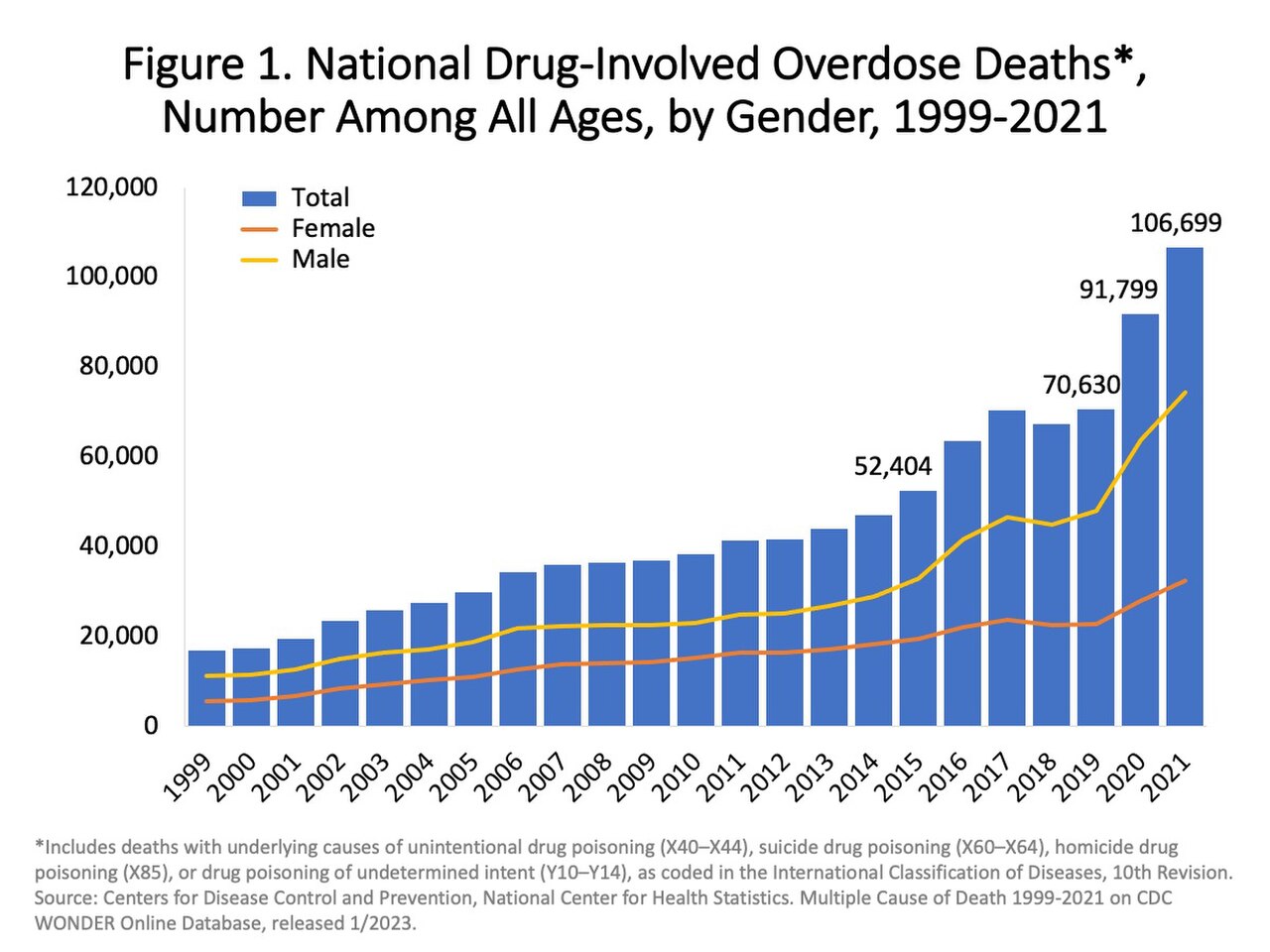
Patterns that distinguish problematic use include growing tolerance (needing more to get the same effect), withdrawal symptoms when use stops, failed attempts to cut down, and neglect of responsibilities. Behavior changes often follow long-term use: mood swings, social withdrawal, financial problems, and risky actions. Health consequences range from acute overdoses and accidents to chronic conditions affecting the heart, liver, lungs, and brain.
- Typical indicators: increased secrecy, legal trouble, ignoring obligations.
- Physiological signs: tolerance, withdrawal, altered sleep or appetite.
- Mental-health links: anxiety, depression, impaired judgment; see mood and behavior.
History and social context
Humans have used psychoactive plants and preparations for millennia for ritual, medicinal, and recreational reasons. The modern public-health approach to substance abuse emerged as societies recognized addiction as a medical and social problem rather than only a moral failing. Laws, medical treatments, and harm-reduction strategies have evolved differently across jurisdictions; legal status varies with substance and is updated as evidence and policy change—consult legal status summaries for local differences.
Treatment, prevention and public health responses
Responses combine prevention, early intervention, and treatment. Effective treatments may include counseling (cognitive-behavioral therapy, motivational interviewing), mutual-support groups, medically supervised detoxification, and medications for certain dependencies. Harm reduction—such as needle exchange, safe consumption advice, or supervised facilities—aims to reduce immediate risks when abstinence is not achieved. Integrated care that addresses co-occurring mental-health conditions and social needs typically improves outcomes.
Distinctions and important notes
It is useful to distinguish substance use (any consumption), misuse (use in risky ways), and dependence or addiction (a pattern with physiological and behavioral components). Not every person who misuses a substance becomes dependent, but both misuse and dependence carry potential for serious harm. If you or someone you know is struggling, seek professional advice; local services and community groups can provide assessment and support.
Questions and answers
Q: What is substance abuse?
A: Substance abuse, also known as drug abuse, occurs when someone repeatedly uses drugs in ways that harm their health.
Q: Why do people engage in substance abuse?
A: People use drugs to change their mood or feel better, rather than for positive reasons.
Q: What can happen to a person who uses drugs for an extended period of time?
A: With long-term drug use, a person may experience changes in behavior and psychological functioning.
Q: Are all drugs that people abuse illegal?
A: No, while some drugs are illegal to have or use, others may have certain limits or regulations that people do not follow.
Q: What is an addict when it comes to drug use?
A: An addict is someone who believes they need a drug to function and cannot stop using it even when it causes problems in their life.
Q: Can substance abuse lead to health problems?
A: Yes, substance abuse is linked to a range of physical and mental health concerns, including addiction, overdose, and chronic health conditions.
Q: What should someone do if they believe they have a problem with drugs?
A: Individuals who are struggling with substance abuse should seek professional help from addiction treatment providers or healthcare professionals.
Related articles
Author
AlegsaOnline.com Substance abuse: causes, signs, consequences and responses Leandro Alegsa
URL: https://en.alegsaonline.com/art/94518
Sources
- drugabuse.gov : "Commonly Abused drugs Charts"
- pubmed.ncbi.nlm.nih.gov : 9809240
- books.google.com : Behavioral integrative care: treatments that work in the primary care setting
- books.google.com : Lexicon of psychiatry, neurology, and the neurosciences
- archpsyc.ama-assn.org : "Tests of causal links between alcohol abuse or dependence and major depression"
- doi.org : 10.1001/archgenpsychiatry.2008.543
- pubmed.ncbi.nlm.nih.gov : 19255375
- doi.org : 10.1111/j.1600-0447.1993.tb03328.x
- pubmed.ncbi.nlm.nih.gov : 8093823
- ajp.psychiatryonline.org : "Predictors of spontaneous and systematically assessed suicidal adverse events in the treatment of SSRI-resistant depression in adolescents (TORDIA) study"
- doi.org : 10.1176/appi.ajp.2008.08070976
- pubmed.ncbi.nlm.nih.gov : 19223438
- doi.org : 10.1016/j.annepidem.2004.08.011
- pubmed.ncbi.nlm.nih.gov : 15780776
- ncbi.nlm.nih.gov : "Cigarettes and suicide: a prospective study of 50,000 men"