
Caffeine — natural stimulant in coffee, tea and other plants
Caffeine is a natural methylxanthine stimulant widely consumed in beverages and foods. This article explains its properties, sources, effects, uses, risks and notable facts in a concise, neutral overview.
Caffeine is a naturally occurring chemical most commonly known for its ability to increase alertness and reduce perceived fatigue. Chemically it belongs to the methylxanthine family and acts on the brain as a central nervous system agent. In pharmacological terms it is classified as a stimulant because it increases neural activity and influences heart rate, respiration and other bodily functions.
Image gallery
10 Images





Characteristics and how it works
Caffeine is an alkaloid that is rapidly absorbed after oral consumption. Its principal mode of action is antagonism of adenosine receptors in the brain, which reduces drowsiness and can enhance concentration. Effects begin within minutes for many people and may last several hours; individual factors such as age, body weight and liver function alter how long it remains active. Regular use produces tolerance and can lead to mild physical dependence and withdrawal symptoms such as headaches and irritability.
Natural sources and common products
Caffeine occurs naturally in a variety of plants, where it likely evolved as a pest deterrent. Human consumption typically comes from beverages and some foods. Common sources include:
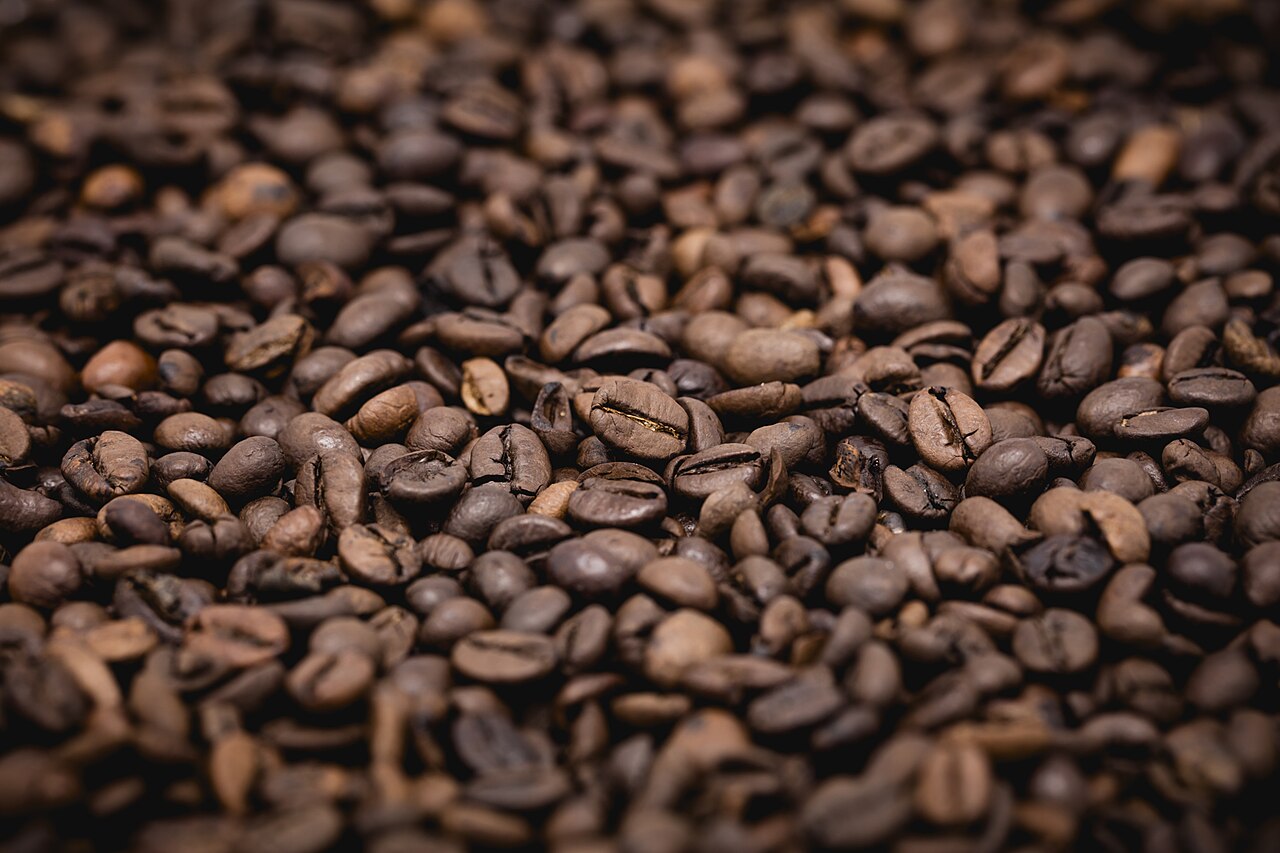
- Coffee — the most familiar source worldwide, with varying caffeine content by bean and preparation.
- Tea — many varieties contain caffeine alongside other active compounds.
- Soft drinks — many cola-style sodas include added caffeine.
- Energy drinks — often formulated with higher caffeine and other stimulants.
History, cultural role and uses
Humans have consumed caffeine-containing plants for centuries in social, religious and medicinal contexts. Coffee houses and tea ceremonies influenced social life in many cultures. Today caffeine is used both recreationally and functionally — to improve wakefulness, support short-term mental performance, and as an ingredient in some over-the-counter medicines for headaches or cold symptoms.
Effects, safety and risks
At moderate doses most people experience increased alertness, improved reaction time and temporary mood elevation. Higher doses can cause restlessness, rapid heartbeat, insomnia and gastrointestinal discomfort. Abrupt cessation of regular use commonly produces withdrawal symptoms. Extremely large single doses can be dangerous; estimates that consuming the equivalent of tens of grams — often cited as roughly the caffeine in 80–100 cups of coffee — could produce a life-threatening overdose are widely reported and illustrate the potential hazard of concentrated products or accidental ingestion.
As a social and pharmacological phenomenon, caffeine remains the world's most widely used psychoactive substance, legal in nearly every country. Variability in metabolism and sensitivity means recommended intake differs among individuals; moderation and awareness of sources are the usual precautions.
Questions and answers
Q: What is caffeine?
A: Caffeine is a stimulant for the central nervous system and is classified as a methylxanthine.
Q: Where is caffeine found?
A: Caffeine is found in many plants and is used in drinks such as coffee, some teas, some soft drinks, and energy drinks.
Q: Can a large amount of caffeine be harmful to humans and animals?
A: Yes, if too much caffeine is consumed, it can be harmful to both humans and animals.
Q: How much caffeine would a person need to consume in order to overdose?
A: If a person consumed 10-13 grams of caffeine quickly, which is equivalent to between 80 and 100 cups of coffee, they could potentially overdose and may even die.
Q: Is caffeine legal around the world?
A: Yes, caffeine is legal in nearly all of the world.
Q: What is caffeine commonly known as?
A: Caffeine is commonly known as the world's most popular psychoactive drug.
Q: In what class of drug is caffeine classified?
A: Caffeine is classified as a methylxanthine drug.
Related articles
Author
AlegsaOnline.com Caffeine — natural stimulant in coffee, tea and other plants Leandro Alegsa
URL: https://en.alegsaonline.com/art/115830
Sources
- livescience.com : "Can caffeine kill you?"
- caffeineandyou.wordpress.com : "History and Background"
- coffeecorner.com : "The Advantages and Disadvantages Of Drinking Coffee | Coffee Corner"
- cspinet.org : "Caffeine Content of Food and Drugs"
- erowid.org : "Caffeine Content of Beverages, Foods, & Medications"