
Stroke (cerebrovascular accident): causes, signs, treatment and recovery
A stroke occurs when blood flow to part of the brain is interrupted or a vessel ruptures. This article covers types, symptoms, emergency care, diagnosis, prevention and rehabilitation.
Overview
A stroke is a sudden injury to the brain caused by interruption of its blood supply or by bleeding into brain tissue. When the flow of blood that carries oxygen and nutrients to brain cells is reduced or stopped, affected areas cannot function and cells may die. The degree of disability depends on the location and size of the damaged region and how quickly care begins. A stroke is a medical emergency and needs prompt assessment to reduce long‑term harm.
Image gallery
10 Images




Types and underlying mechanisms
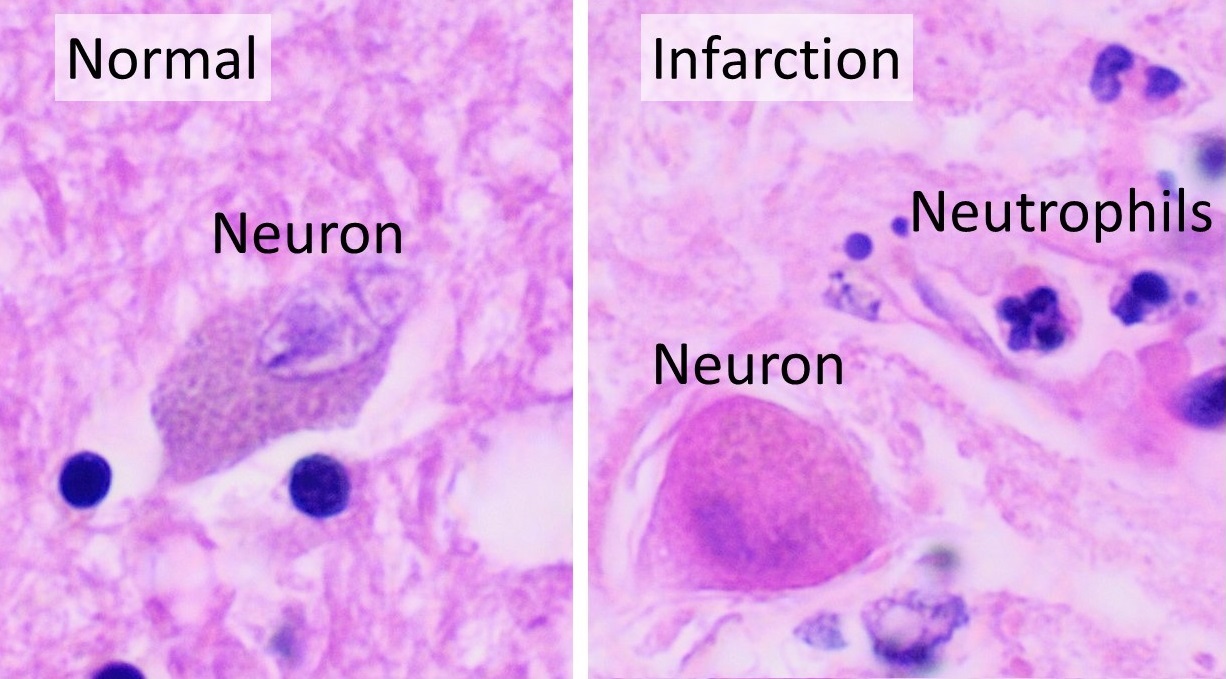
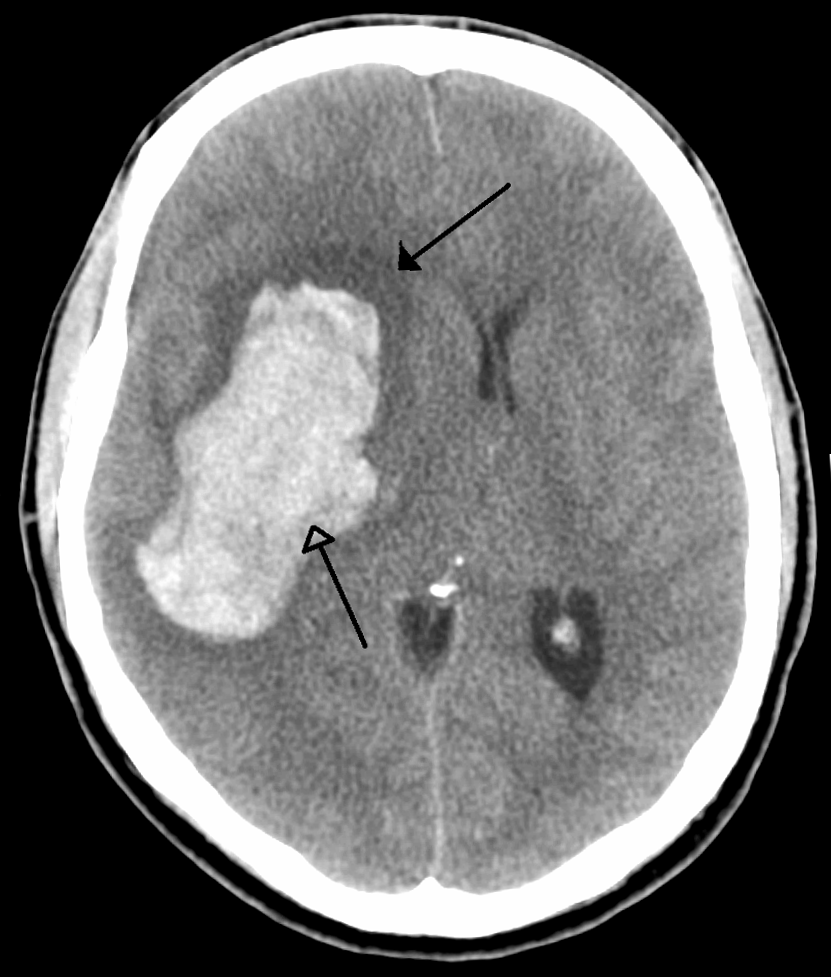
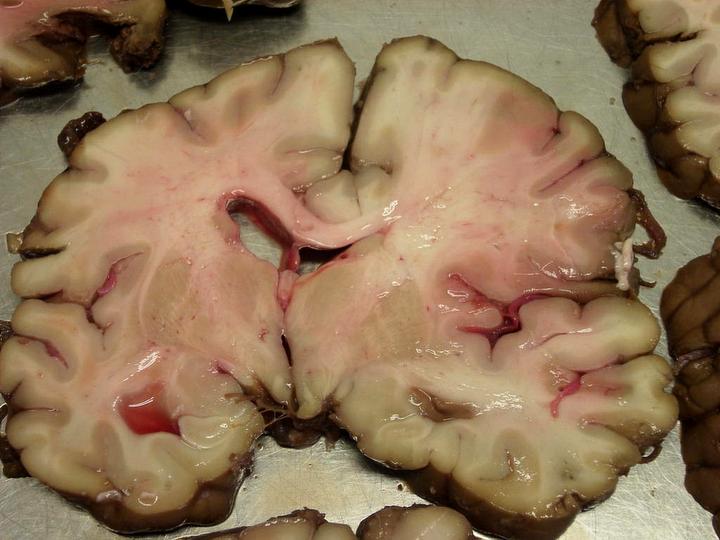
There are two principal types of stroke. Ischemic strokes occur when an artery supplying the brain is blocked, often by a clot. This blockage produces ischemia, an inadequate blood supply that deprives tissue of oxygen. Thrombosis (local clot formation) and embolism (a clot that travels from elsewhere) are common mechanisms; see thrombosis for the local clotting process. Hemorrhagic strokes result from rupture of a vessel and bleeding into or around the brain. Both mechanisms interrupt normal function and can produce similar deficits despite different treatments.
Signs, recognition and diagnosis
Symptoms of stroke arise quickly and commonly affect movement, sensation, vision and language. Typical findings include sudden weakness or numbness on one side of the body, difficulty speaking or understanding speech, loss of vision in one eye or one half of the visual field, dizziness, and severe headache. Clinicians often use simple checks such as the FAST rule to recognize stroke early. For a broader description of common symptoms, and effects on limbs such as inability to move one or more limbs, emergency services should be contacted immediately because a stroke is a medical emergency. Imaging—typically a CT scan or MRI—helps distinguish ischemic from hemorrhagic stroke and guides therapy.
Treatment and acute care
Immediate treatment aims to restore or control blood flow and to limit permanent damage. In eligible ischemic stroke patients, clot‑dissolving medication and mechanical clot retrieval can reopen occluded vessels. Hemorrhagic strokes may require blood pressure control, reversal of anticoagulant drugs, and sometimes surgery to stop bleeding and relieve pressure. Early hospital care includes monitoring, supportive measures, and targeted intervention to reduce the chance of complications. Rapid treatment improves outcomes and reduces the chance that a stroke becomes a major cause of disability or death—both widely recognized public health concerns (cause of death statistics reflect its impact).
Risk factors and prevention
Stroke risk increases with age (older age), but many modifiable factors play a central role. Important contributors include high blood pressure, diabetes (diabetes), high blood fats such as cholesterol, smoking, atrial fibrillation and other heart conditions, and certain clotting disorders. Some conditions such as migraine with aura have been associated with higher risk in specific groups. Preventive strategies focus on blood pressure control, smoking cessation, blood sugar and lipid management, antiplatelet or anticoagulant therapy when indicated, and lifestyle changes like exercise and healthy diet.
Recovery, rehabilitation and outlook
After the acute phase, recovery often requires coordinated rehabilitation—physical therapy for strength and walking, occupational therapy for daily living skills, and speech therapy for language and swallowing. Recovery can continue for months or years; early rehabilitation and ongoing support improve independence. Family education, adaptive devices and community services are important for long‑term adjustment. Because strokes can affect one side of the body differently depending on whether the injury is in the left or right hemisphere, tailored therapy addresses specific deficits including language problems following left‑sided strokes and spatial awareness or neglect seen more often with right‑sided lesions. For more detailed clinical information about diagnosis, treatment choices and public health guidance consult trusted medical sources and local stroke care pathways via brain health resources or specialist services described at medical information portals.
- Recognize warning signs early and call emergency services—time matters.
- Control high blood pressure and avoid tobacco to reduce risk.
- Seek specialist rehabilitation to maximize recovery after the acute event.
For overviews and further reading, clinical summaries and public health materials are available from stroke organizations, hospitals and primary care providers, which outline local emergency responses, prevention programs and rehabilitation options. Professional guidance tailors care to individual needs and the specific type of stroke.
Questions and answers
Q: What is a stroke?
A: A stroke is an illness in which part of the brain loses its blood supply due to a lack of blood flow. This can happen if an artery that feeds blood to the brain gets clogged, or if it tears and leaks.
Q: What are the two types of strokes?
A: The two types of strokes are when there is a blood clot blocking the artery and when a blood vessel bursts and there is free-flowing blood in the brain.
Q: What are some symptoms of a stroke?
A: Symptoms of a stroke might include hemiplegia (inability to move one or more limbs on one side of the body), aphasia (inability to understand or use language), or an inability to see one side of the visual field.
Q: Is having a stroke considered an emergency?
A: Yes, having a stroke is considered an emergency as it can cause permanent damage and may lead to death if not quickly treated.
Q: Does having a stroke affect both sides of the brain?
A: Yes, strokes can happen on both sides of the brain. When it happens on the left side, it affects the right side of their body while when it happens on their right side, it affects their left side as well as changes spatial perceptions and causes people not acknowledge their illness.
Q: What increases someone's risk for getting a stroke? A: Factors that increase someone's risk for getting a stroke include old age, high blood pressure, previous strokes, diabetes, high cholesterol, smoking, atrial fibrillation, migraine with aura and thrombophilia (tendency towards thrombosis). Of these factors, high blood pressure and smoking are most easily fixable.
Related articles
Author
AlegsaOnline.com Stroke (cerebrovascular accident): causes, signs, treatment and recovery Leandro Alegsa
URL: https://en.alegsaonline.com/art/94309