
Spelt (Triticum spelta): an overview of the ancient hulled wheat
Spelt is an ancient hexaploid hulled wheat cultivated since prehistoric times. This article covers its taxonomy, history, cultivation, processing, culinary uses, nutrition and health considerations.
Overview
Spelt (Triticum spelta) is an ancient hulled wheat sometimes called dinkel. Botanically a hexaploid, spelt carries six sets of chromosomes and is closely related to modern bread wheats. It was cultivated in Europe and western Asia from prehistoric times and has been an important cereal in several regions for millennia. Today it survives as a niche crop valued for its flavor, heritage status and suitability to low-input farming.
Image gallery
4 Images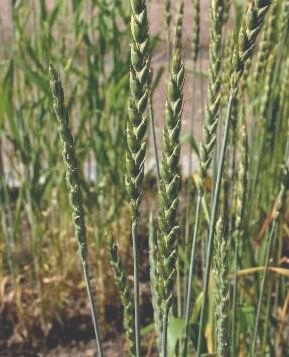


Taxonomy and genetics
Spelt belongs to the genus Triticum and is one of several hulled wheats. As a hexaploid it combines genomes that give it characteristics different from diploid or tetraploid wheats. Spelt and common bread wheat (T. aestivum) share ancestry and genetic material, and their relationships have been studied to understand cereal domestication and breeding. Genetic studies help explain why spelt can tolerate certain marginal conditions and why its gluten behaves differently in baking.
History and cultural importance
Archaeological evidence shows spelt was grown in Europe from the Neolithic into the Bronze Age and persisted as a staple through medieval periods in some areas. It was especially important in regions with poorer soils or cooler climates where its robustness and ability to produce a crop under less favorable conditions made it valuable. Cultural traditions and regional breads made from spelt have helped preserve its cultivation in parts of Central Europe and northern Spain.
Cultivation and agronomy
Farmers cultivate spelt in both conventional and organic systems. It is often grown on lighter or less fertile soils and can be more resistant to some diseases than highly bred modern wheats, though yields are typically lower. Spelt is normally planted and harvested using similar machinery to other cereals, but its hulled grain requires an additional dehulling step during processing. Breeding programs and farmer selection have produced local varieties and modern lines adapted to different climates.
Processing and milling
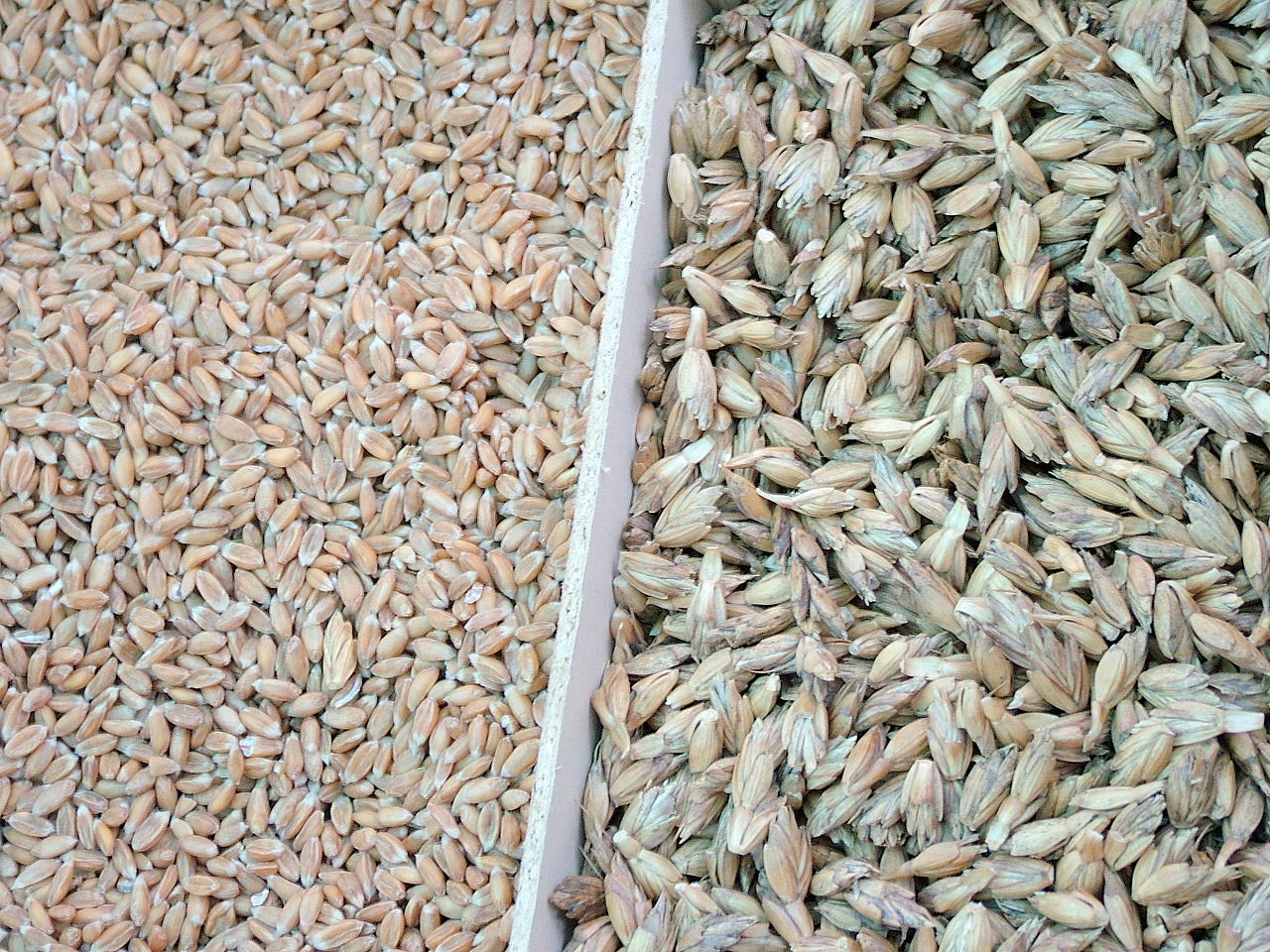
Unlike free-threshing wheats, spelt grain is enclosed in a tough outer husk (glume). After threshing, dehulling or pearling is required to remove that husk before milling. The extra processing contributes to higher retail prices. Once dehulled, spelt kernels (sometimes called spelt berries) can be milled into wholemeal or refined flours, cracked for porridge, or rolled into flakes. Careful tempering and milling are important to preserve flavor and nutritional quality.
Culinary uses
Spelt flour has a nutty, slightly sweet flavor and is used for breads, biscuits, cakes, pasta and porridges. Its gluten network is generally more fragile than that of modern bread wheat, so recipes often call for adjustments: less kneading, smaller hydration changes, or mixing with higher-gluten wheat to improve loaf volume. Whole spelt grain cooks into substantial salads, pilafs and soups and is popular in many traditional and modern recipes.
Nutrition and health
Wholemeal spelt provides carbohydrates, dietary fiber, proteins, B vitamins and minerals much like whole wheat. Some analyses report modestly higher crude protein in spelt, though protein quality and baking performance differ. Spelt contains gluten and therefore is not safe for people with celiac disease or confirmed gluten intolerance. People with non-celiac wheat sensitivity may react differently, so dietary advice from healthcare professionals is recommended.
Environmental and economic aspects
Spelt's suitability for lower-input systems makes it attractive for organic and regional farming, yet lower yields mean land use per unit of product can be higher. The additional dehulling and smaller market size contribute to a price premium for spelt products. Consumer interest in heritage grains, taste and perceived wholesomeness has supported niche markets and small-scale milling and baking enterprises.
Varieties and breeding
Traditional landraces of spelt persist alongside modern cultivars developed for improved yield, disease resistance and agronomic performance. Conservation of genetic diversity is encouraged by seed banks, heritage grain initiatives and on-farm preservation, which help maintain traits useful to breeders and farmers seeking resilience under changing climates.
Further information
For more detailed references and technical resources, consult the links below:
- General reference on spelt
- Archaeological and cultivation history
- Genetic and cytological data
- Historical staple crops in Europe
- Regional uses in Europe
- Bronze Age agriculture
- Medieval cereal cultivation
- Modern production areas in Central Europe
- Cultivation in northern Spain
- Relationship to common wheat
- Culinary uses and baking with spelt
- Pest and input considerations
- Nutritional comparisons
- Health and gluten information
Related articles
Author
AlegsaOnline.com Spelt (Triticum spelta): an overview of the ancient hulled wheat Leandro Alegsa
URL: https://en.alegsaonline.com/art/92611
Sources
- ars-grin.gov : "USDA GRIN Taxonomy"
- dovesfarm.co.uk : "Spelt grain"
- taste.com.au : What is spelt?
- bbc.co.uk : Spelt flour recipes
- livesimply.me : Why should I use spelt flour?
- nhs.uk : Treating coeliac disease