
Staple food: definition, common types, history and role in food security
An overview of staple foods: what they are, common examples worldwide, their characteristics, cultural role, and importance for nutrition and food security.
A staple food is a plant- or animal-derived food that forms the principal basis of most meals for a population and can be produced or stored sufficiently to be eaten regularly throughout the year. Staples supply a large share of daily calories and are typically inexpensive and widely available in a given region. The concept emphasizes practical properties such as storability, caloric density and cultural centrality rather than whether a food is processed or fresh. For a concise definition, see basic definition.
Image gallery
10 Images



Key characteristics
Staples tend to share several features: ease of storage without rapid spoilage, reliable yields in local climates, versatility in cooking, and a high contribution to energy intake. Seasonality and cost matter: foods that are only briefly available each year or that require expensive infrastructure are usually not considered staples. For example, regional patterns of staple consumption vary widely; consult regional patterns for more context. Practical considerations such as the need for refrigeration can exclude otherwise nutritious items — see cold storage issues.
Common staple foods
Across the world, a relatively small group of crops and a few animal products serve as staples. Familiar examples include:
- Rice — central to much of Asia and parts of Africa and Latin America.
- Wheat — ground into flour and baked into breads and other products.
- Potatoes — a major tuber crop in temperate regions.
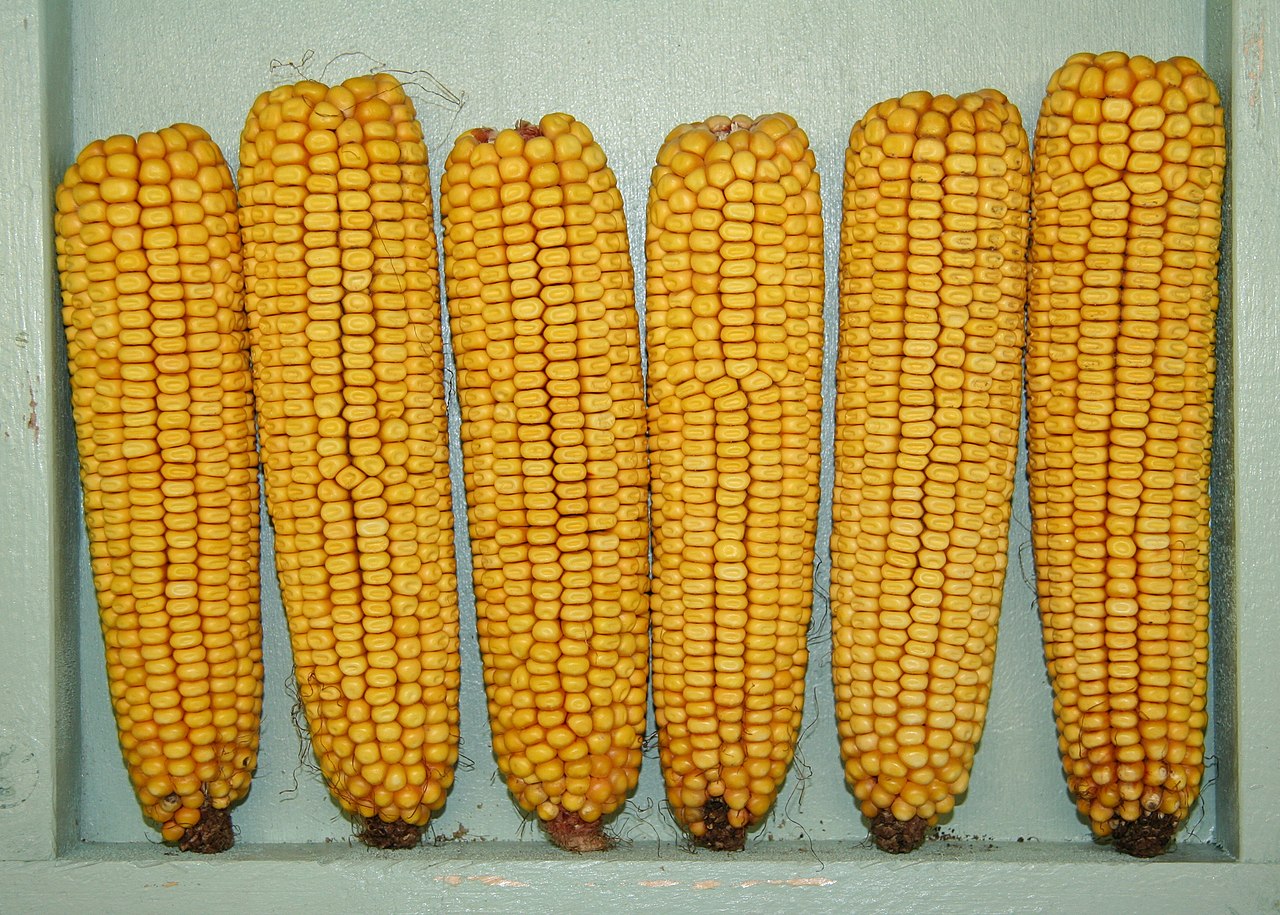
- Maize (corn), millet and sorghum — important in Africa and the Americas.
- Cassava and plantains — staples in tropical regions where root crops perform well.
- In some diets, animal staples or frequent components include preserved fish or modest amounts of meat, though fresh meat is less often a universal staple due to cost and perishability.
History and cultural role
Staples have shaped settlement patterns, agriculture and cuisine for millennia. The domestication of staple crops such as cereals and tubers allowed human populations to settle and support larger communities. Over time, cultural identities and rituals often grew around staple dishes — breads, porridges, and rice dishes serve as daily food and ceremonial fare in many societies. The distinction between a raw staple crop (for example, wheat grain) and derived products (such as bread) is important: processed foods depend on staples but may have different storage and distribution properties.
Importance for nutrition and food security
Staples are pillars of food security because they provide bulk calories and can be stored for lean seasons. Relying heavily on one or two staples can create nutritional vulnerabilities, so dietary diversity and fortification are often recommended public-health strategies. Agricultural policies, trade, and changing diets influence which staples dominate a region and how resilient food systems are to shocks. For further reading on comparative examples and policy, see case studies on tuber crops and food system analyses.
Notable distinctions include the difference between a staple crop and a supplemental food (such as seasonal fruit), and between commonly eaten items and luxuries (for instance, large amounts of meat remain a luxury in many places). Technological changes in storage, transport and refrigeration have expanded the range of foods available year-round but have not eliminated the central role of traditional staples in diets around the world.
Related articles
Author
AlegsaOnline.com Staple food: definition, common types, history and role in food security Leandro Alegsa
URL: https://en.alegsaonline.com/art/93414