
Pesticide: Types, Uses, Environmental and Health Considerations
Comprehensive overview of pesticides: definitions, main types, history, uses, environmental and health impacts, regulation, resistance, safety measures, and alternatives.
Pesticides are substances or mixtures intended to prevent, repel, destroy, or control organisms considered undesirable in a given context. These target organisms are commonly called pests and include insects, weeds, fungi, rodents and other organisms that reduce crop yields, spoil stored products, or spread disease. Some pesticides act against microorganisms that damage plants and animals; more information on such agents is discussed at microbial plant pests. By design, many pesticides are toxic to their targets, and poisoning risks for non-target species — including humans — are central to how they are used and regulated.
Image gallery
8 Images
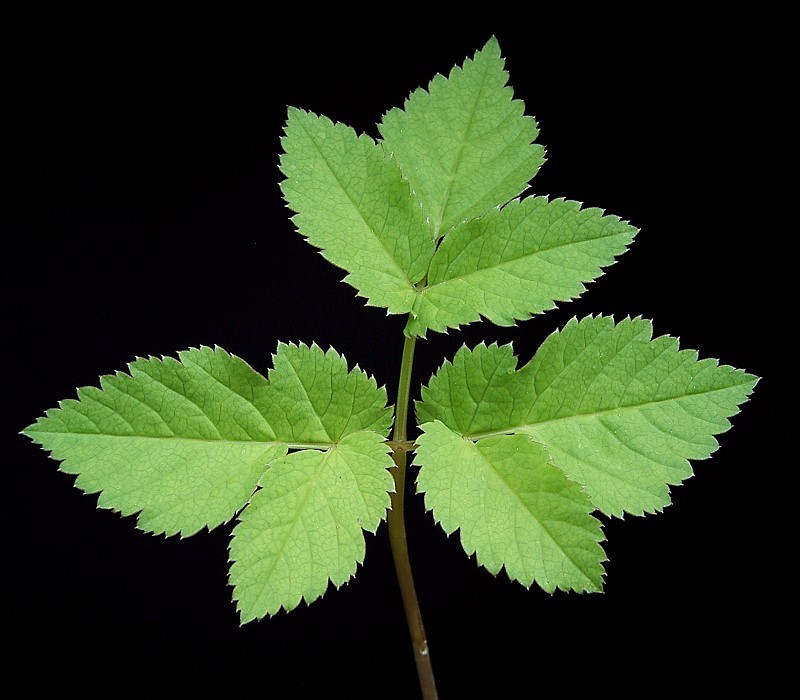
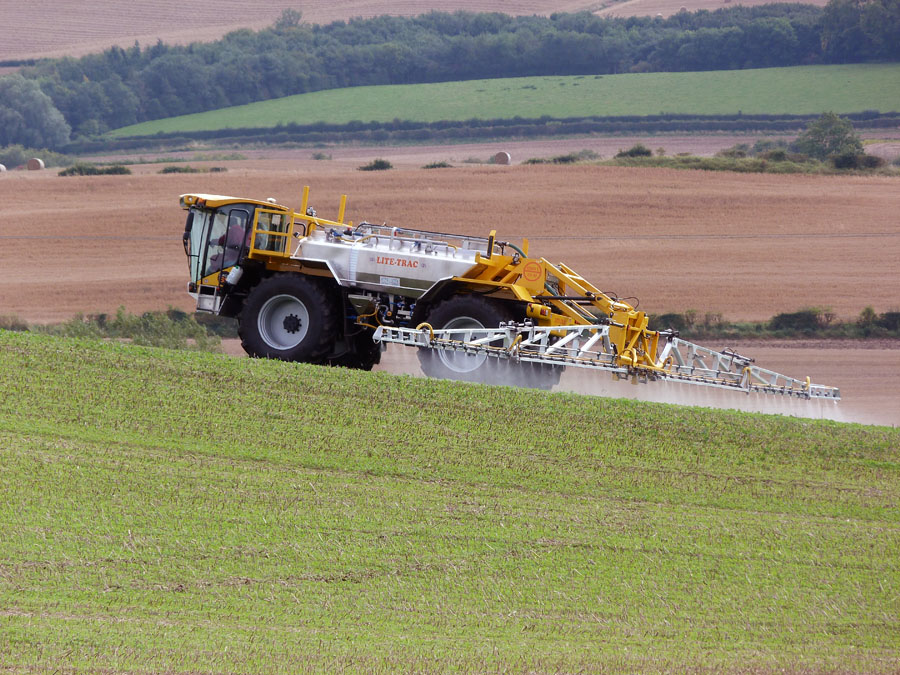

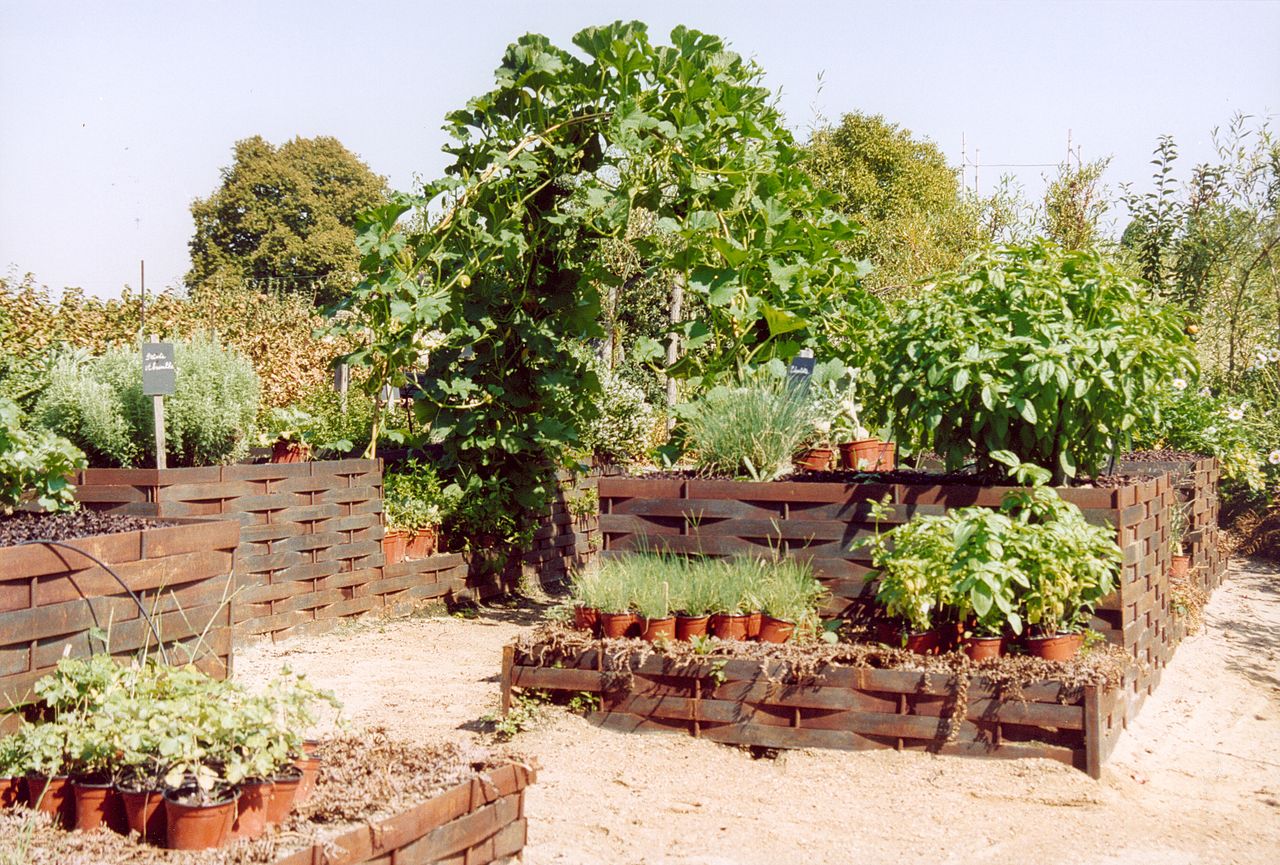

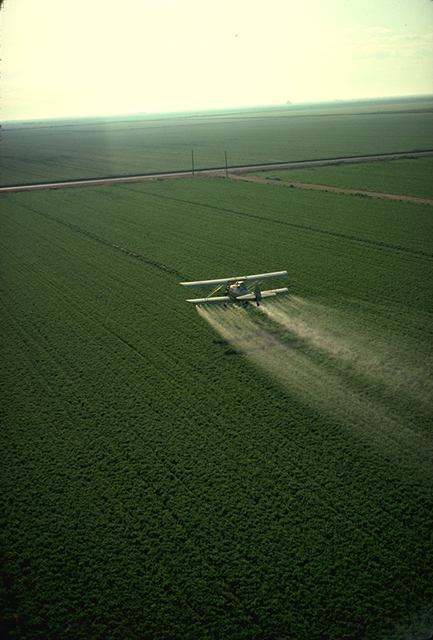
Types and characteristics
- Insecticides — chemicals that control insects. They include contact poisons, stomach poisons, and growth regulators.
- Herbicides — agents used to remove or suppress unwanted plants (weeds) in agriculture and landscape management.
- Fungicides — compounds that control fungi and fungal spores, protecting crops and materials from rot and disease.
- Rodenticides — formulated to manage rodent populations, often with anticoagulant or acute toxic modes of action.
- Biopesticides — derived from natural organisms or substances (microbes, plant extracts) and generally intended to offer reduced non-target impact.
Pesticides differ in persistence (how long they remain active), specificity (broad-spectrum versus targeted), and mode of action. Some break down rapidly in sunlight, soil or water; others are designed to be long-lasting and can accumulate in ecosystems. Because of these differences, selection and application are guided by the target pest, environment, and safety considerations.
History, regulation and notable frameworks
Human societies have used pest control methods for centuries, from mechanical trapping and botanical extracts to the synthetic chemicals developed in the 20th century. The widespread use of synthetic pesticides brought agricultural productivity gains but also raised concerns about toxicity, persistence and ecological harm. International agreements and national laws now regulate many substances; for example, the Stockholm Convention addresses highly persistent and bioaccumulative chemicals, including several that have been used as pesticides. Regulatory frameworks balance efficacy against risks to human health and the environment.
Uses, benefits and impacts
Pesticides play a major role in modern agriculture, public health (for controlling disease vectors such as mosquitoes), and in protecting structures and stored goods. Their benefits include higher crop yields, reduced food losses and control of vector-borne illnesses. However, unintended impacts can be substantial: contamination of water and soil, harm to pollinators and wildlife, acute and chronic human health effects, and disruption of ecological balance. The evolution of pesticide resistance in pest populations is a frequent and costly consequence of repeated use.
Management, safety and alternatives
- Integrated Pest Management (IPM) combines biological control, cultural practices, monitoring and targeted chemical use to minimize risk.
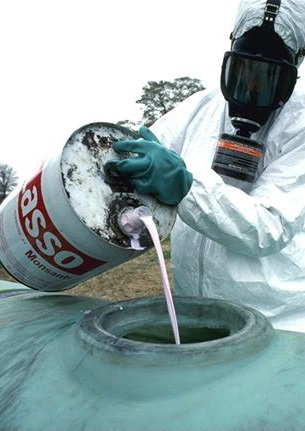
- Proper storage, labeled use, personal protective equipment and training reduce human exposure to harmful effects.
- Non-chemical approaches — crop rotation, resistant varieties, biological control agents and habitat management — can lower reliance on synthetic pesticides.
Understanding pesticide properties, following regulations and adopting safer practices are essential to obtain their benefits while limiting harm. Ongoing research seeks more selective, less persistent options and improved stewardship to protect health and ecosystems.
Questions and answers
Q: What is a pesticide?
A: A pesticide is a chemical used to kill or prevent small animals or organisms that are considered pests.
Q: What are some examples of pests?
A: Examples of pests include insects, microbes that destroy plants, and other things that affect humans in a bad way and may even kill humans as well.
Q: Are pesticides poisonous?
A: Yes, many pesticides are poisonous and are harmful not only to the pests they are intended to kill but also to humans.
Q: Do pesticides affect the environment and the atmosphere?
A: Yes, pesticides have a negative impact on the environment and can affect the atmosphere.
Q: What is listed in the Stockholm Convention on Persistent Organic Pollutants?
A: The Stockholm Convention on Persistent Organic Pollutants lists chemicals that are very difficult to destroy or are highly toxic.
Q: How many chemicals are listed in the Stockholm Convention on Persistent Organic Pollutants?
A: The Stockholm Convention on Persistent Organic Pollutants lists a total of twelve chemicals.
Q: How many of the chemicals listed in the Stockholm Convention on Persistent Organic Pollutants can be used as pesticides?
A: Nine of the twelve chemicals listed in the Stockholm Convention on Persistent Organic Pollutants can be used as pesticides.
Related articles
Author
AlegsaOnline.com Pesticide: Types, Uses, Environmental and Health Considerations Leandro Alegsa
URL: https://en.alegsaonline.com/art/76032
Sources
- pops.int : "Stockholm Convention - Home page"
- doi.org : 10.1111/j.1552-6909.2009.01092.x
- pubmed.ncbi.nlm.nih.gov : 20409108