
Spinach (Spinacia oleracea)
Spinach is a versatile leafy green valued for its vitamins, minerals and culinary uses. Native to Asia, it is eaten raw or cooked and appears in many cuisines and cultural references.
Overview
Spinach is a fast-growing, leafy green vegetable cultivated for its tender edible leaves and stems. It belongs to the species Spinacia oleracea and is widely grown in home gardens and on farms. As a common leafy green, spinach appears in salads, soups, sautés and many prepared foods around the world.
Image gallery
10 Images



Botanical characteristics and varieties
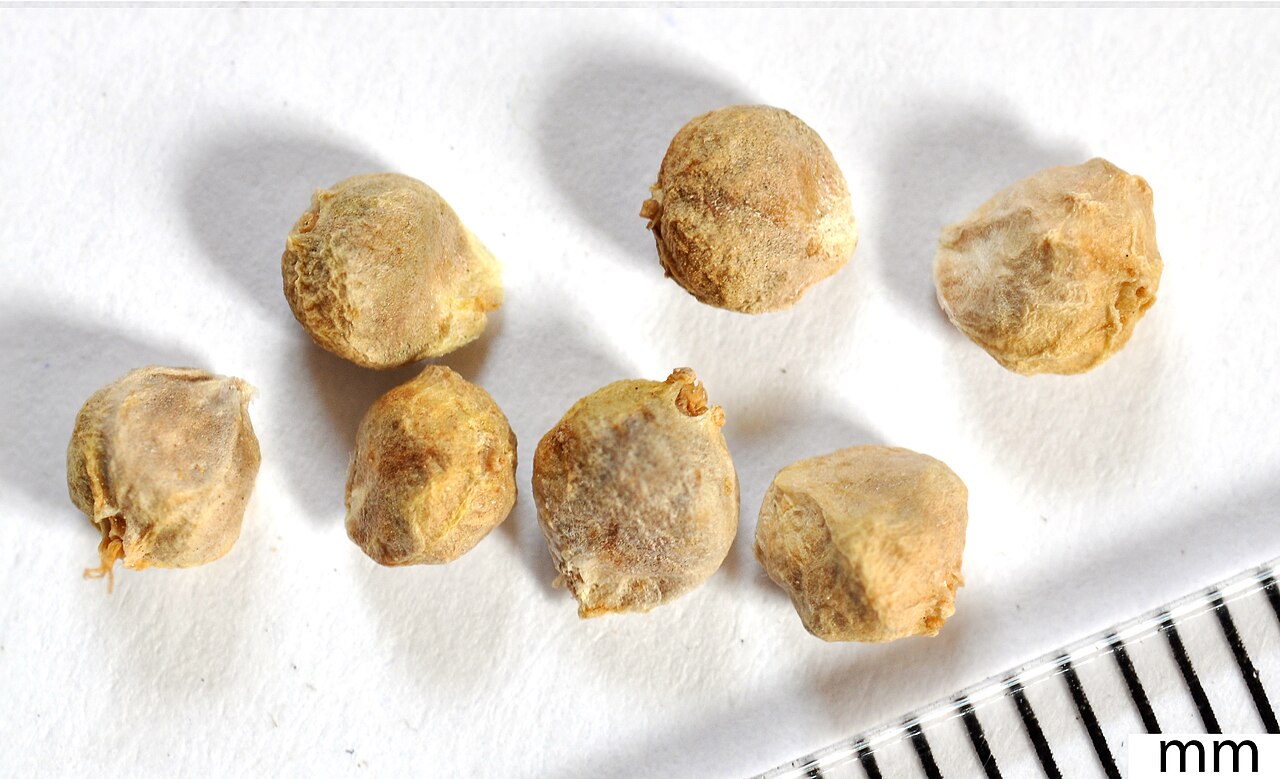
Spinach plants form a rosette of leaves that vary from flat to tightly crinkled. The plant produces inconspicuous blossoms; in many varieties these are small and yellow. Commercially there are three broad types: savoy (crinkled), flat-leaf (smooth) and semi-savoy (intermediate). Spinach originated in southwestern and central Asia and was later adopted into Mediterranean and global agriculture.
Nutrition and health
Spinach is valued for a dense mix of micronutrients. It supplies significant amounts of vitamin K, vitamin A (as provitamin A carotenoids), vitamin C and folate. It also contains plant-based iron, along with fiber, potassium and magnesium. The leaves contain oxalates, compounds that can reduce the absorption of some minerals and contribute to kidney-stone risk in susceptible people, so consumption advice may vary.
Culinary uses and storage
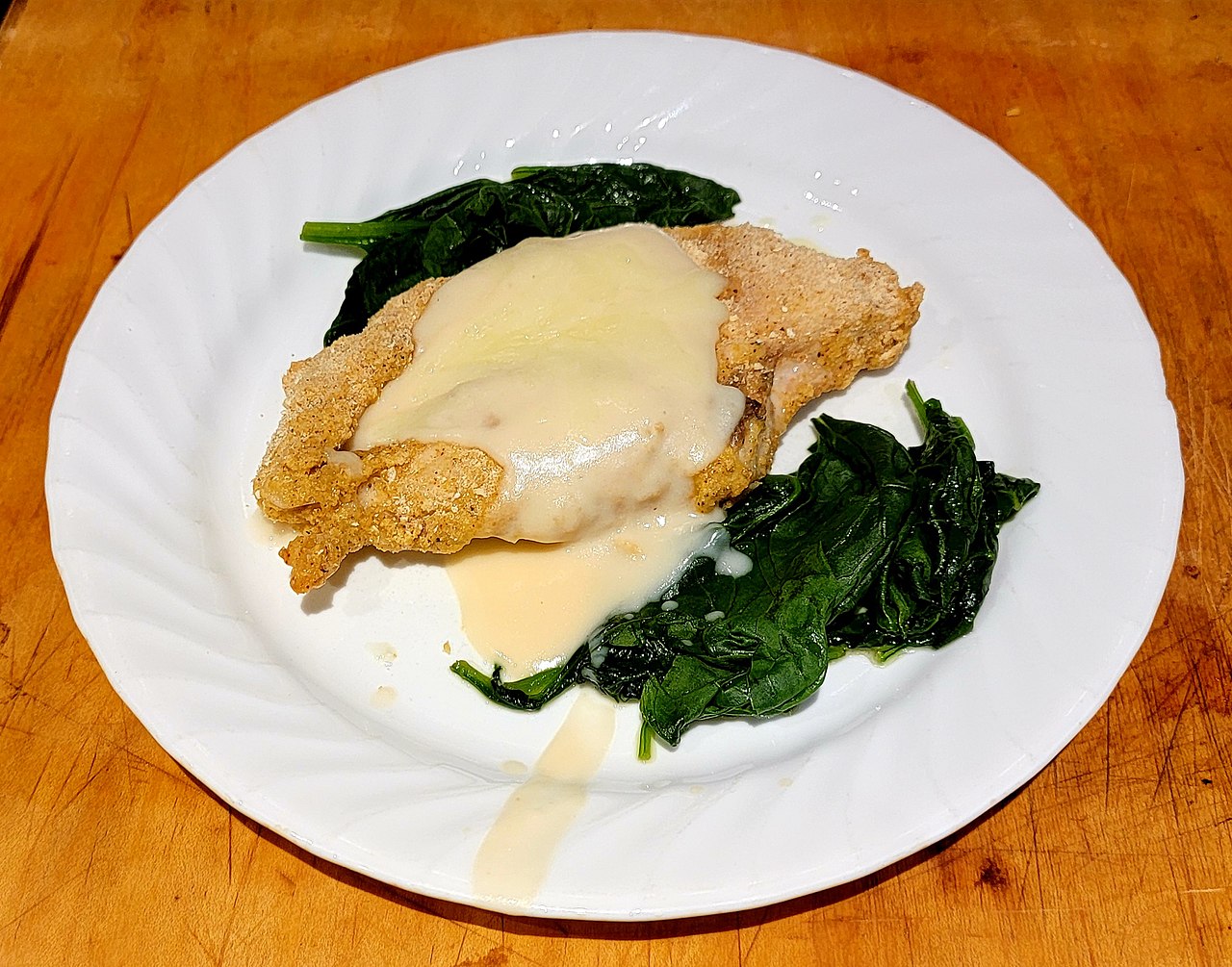
Spinach is versatile: raw baby spinach is common in salads, while mature leaves are often cooked briefly to soften texture and concentrate flavor. Cooking reduces volume dramatically and can increase the bioavailability of certain nutrients. Common preparations include steaming, sautéing, blending into smoothies, and baking in savory pies. To preserve freshness, store unwashed spinach loosely refrigerated and use within a few days; blanching and freezing preserves it for longer.
History, culture and perceptions
Spinach has a long cultivation history that began in Asia and spread to Europe in the medieval period, becoming integrated into many regional cuisines. It has also acquired cultural meaning: popular media and advertising have linked spinach to strength and health, a perception often remembered in discussions of popular culture. Botanically the plant’s floral traits and color details are noted in descriptions (flower color and form).
Notes and distinctions
- Choose baby spinach for delicate raw dishes and mature leaves for cooking.
- Because of oxalates, people with certain medical conditions may limit intake; consult advice when needed.
- Frozen spinach is convenient and retains many nutrients if prepared properly.
For cultivation tips, recipes and more botanical details, consult horticultural guides and reliable nutrition resources (vitamin A, vitamin C, iron references may be helpful).
Related articles
Author
AlegsaOnline.com Spinach (Spinacia oleracea) Leandro Alegsa
URL: https://en.alegsaonline.com/art/92682
Sources
- nutritiondata.self.com : "Nutrition Facts for Spinach, raw, one NLEA serving, 30 g"
- ndb.nal.usda.gov : "Basic Report from the USDA National Nutrient Database: Spinach, raw, 100 g"
- naosite.lb.nagasaki-u.ac.jp : "Changes of Food Preference in Children Aged 4 and 5 Years"
- worldcat.org : 0001-6055
- internetjournalofcriminology.com : "SPINACH, IRON and POPEYE: Ironic lessons from biochemistry and history on the importance of healthy eating, healthy scepticism and adequate citation"
- commons.wikimedia.org : Spinach
- en.wikibooks.org : Spinach