
Central Europe: Geography, History, Culture and Identity
A concise overview of Central Europe covering its geography, common country groupings, historical development, cultural features, and how it is distinguished from Eastern and Western Europe.
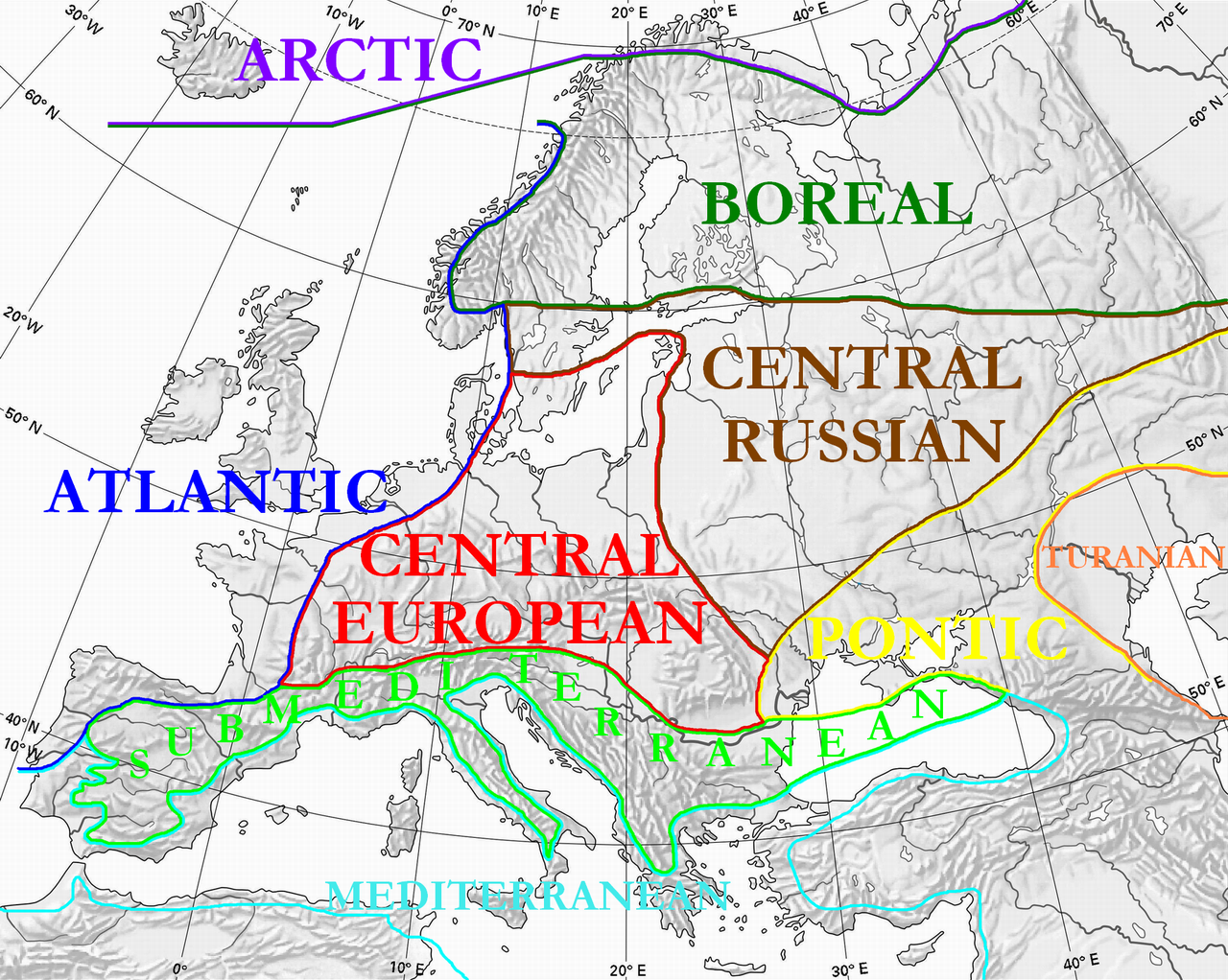
Central Europe is a loosely defined region of the continent that sits between Western Europe and Eastern Europe. Its physical core is often described as the area around the Alps and the Carpathian Mountains, with river basins such as the Danube and fertile plains like the Pannonian lowlands shaping settlement and agriculture. Because political and cultural boundaries shift, the exact extent of Central Europe varies by discipline and viewpoint; some definitions are primarily geographic, others historical or cultural. See regional overviews via Central Europe.
Image gallery
10 Images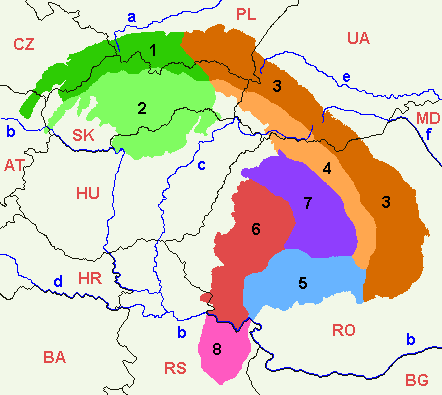


Typical components and characteristics
Common elements associated with Central Europe include a mix of Germanic, Slavic and Romance language areas, a predominance of temperate climates, and landscapes that range from high mountain ranges to river valleys. Urban centers in the region often grew at crossroads of trade routes and display architectural layers from medieval, baroque and modern periods. Religious traditions are diverse and include Catholic, Protestant and Orthodox influences alongside growing secularization.
Countries often included
- Frequently listed: Poland, Czechia, Slovakia, Hungary, Austria, Switzerland, Slovenia.
- Often included in broader definitions: eastern Germany and Liechtenstein.
- Sometimes associated: Croatia and other adjacent states depending on historical or political criteria.
The list above reflects common usage rather than an authoritative boundary. Political groupings, such as EU membership and historic empires, have shaped how scholars and policymakers refer to the region.
History and development
Historically Central Europe was shaped by medieval polities, the Holy Roman Empire and later by the Habsburg and Austro-Hungarian realms, alongside the Kingdom of Poland and other states. The region was a crossroads of empires and often a zone of contest in the modern era: 19th- and 20th-century nationalism, the world wars and the Cold War all reconfigured borders and identities. Since the late 20th century, political and economic integration has altered the region's relations with both Western and Eastern neighbors.
Central Europe's economies combine advanced industry and services in urban centers with agricultural production in plains. Cultural contributions include distinctive cuisines, folk traditions, musical and literary heritage, and a strong record of urban architecture. Distinctions between Central, Western and Eastern Europe are fluid: they can reflect geography, language, religion, historical allegiances or contemporary politics rather than fixed lines. For further perspectives see regional studies.
Questions and answers
Q: Where is Central Europe located?
A: Central Europe is the region around the Alps and Carpathian Mountains, lying between the areas of Eastern and Western Europe.
Q: What is the understanding of the concept of Central Europe?
A: The understanding of the concept of Central Europe varies considerably from nation to nation and also has from time to time.
Q: What is usually meant by the term Central Europe?
A: The term Central Europe usually refers to the region around the Alps and Carpathian Mountains.
Q: What are some countries located in the region of Central Europe?
A: Some countries located in the region of Central Europe are Austria, Czech Republic, Slovakia, Hungary, Poland, Slovenia, and Switzerland.
Q: Why does the understanding of Central Europe vary from nation to nation?
A: The understanding of Central Europe varies from nation to nation due to cultural and historical differences and changing geopolitical circumstances.
Q: What are the key geographical features of Central Europe?
A: The key geographical features of Central Europe are the Alps and Carpathian Mountains.
Q: How is Central Europe positioned in relation to Eastern and Western Europe?
A: Central Europe is positioned between the areas of Eastern and Western Europe.
Related articles
Author
AlegsaOnline.com Central Europe: Geography, History, Culture and Identity Leandro Alegsa
URL: https://en.alegsaonline.com/art/18037