
Square Foot Gardening: A Compact Method for Productive Vegetable Beds
Square foot gardening arranges small, intensively planted beds in 4×4-foot modules to maximize yield, reduce work, and conserve resources. Ideal for beginners, urban plots, and raised beds.
Square foot gardening is an intensive, space-efficient system for growing vegetables and herbs in small beds. Developed and popularized in the late 20th century, it replaces traditional long rows with compact, modular beds that concentrate planting and simplify care. The approach emphasizes planning, soil quality and close spacing so gardeners can produce high yields in limited space while reducing the time spent on routine tasks. For an outline of the original system see foundational descriptions, and for general context about urban and backyard planting see gardening resources.
Image gallery
5 Images
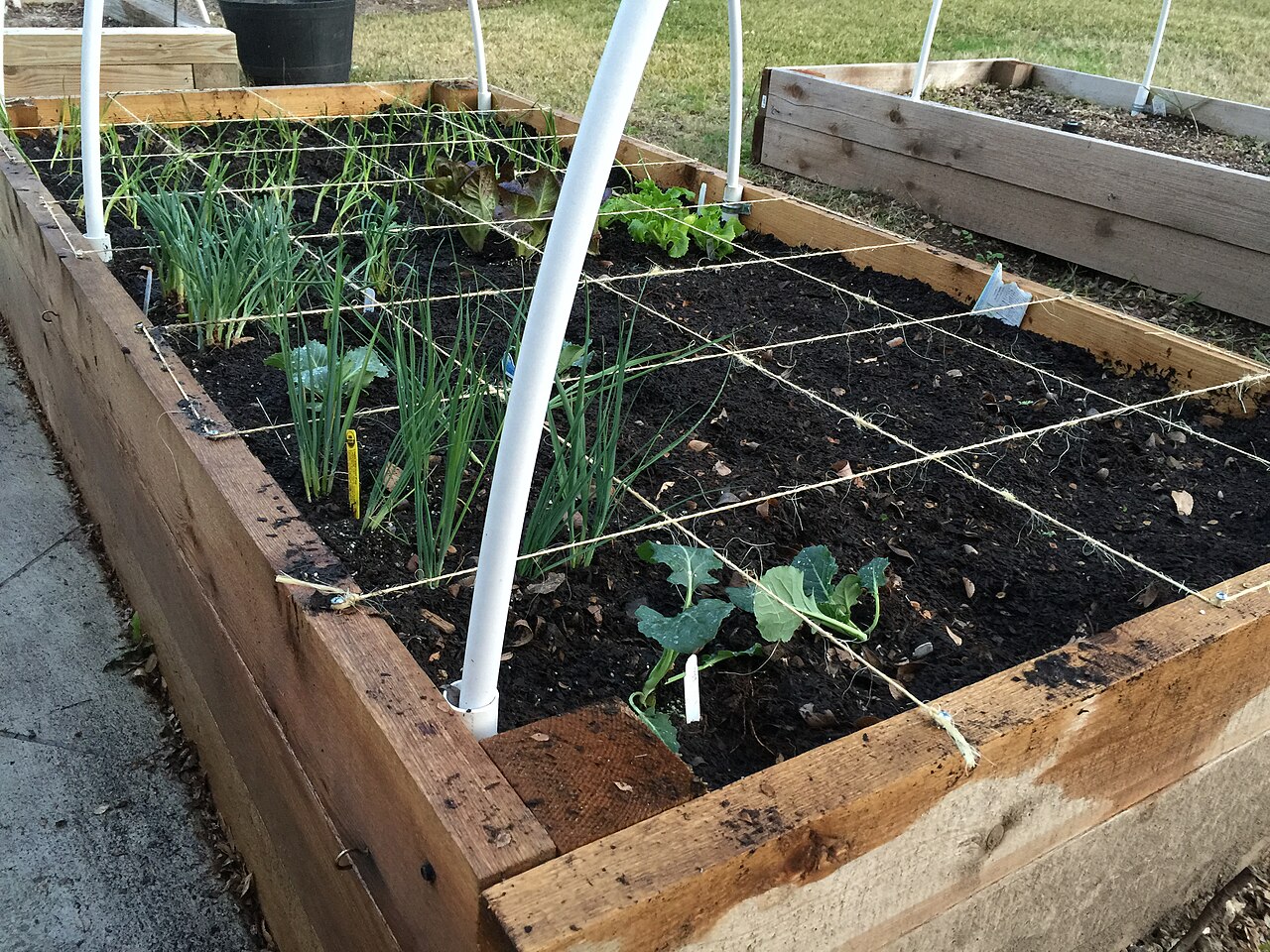

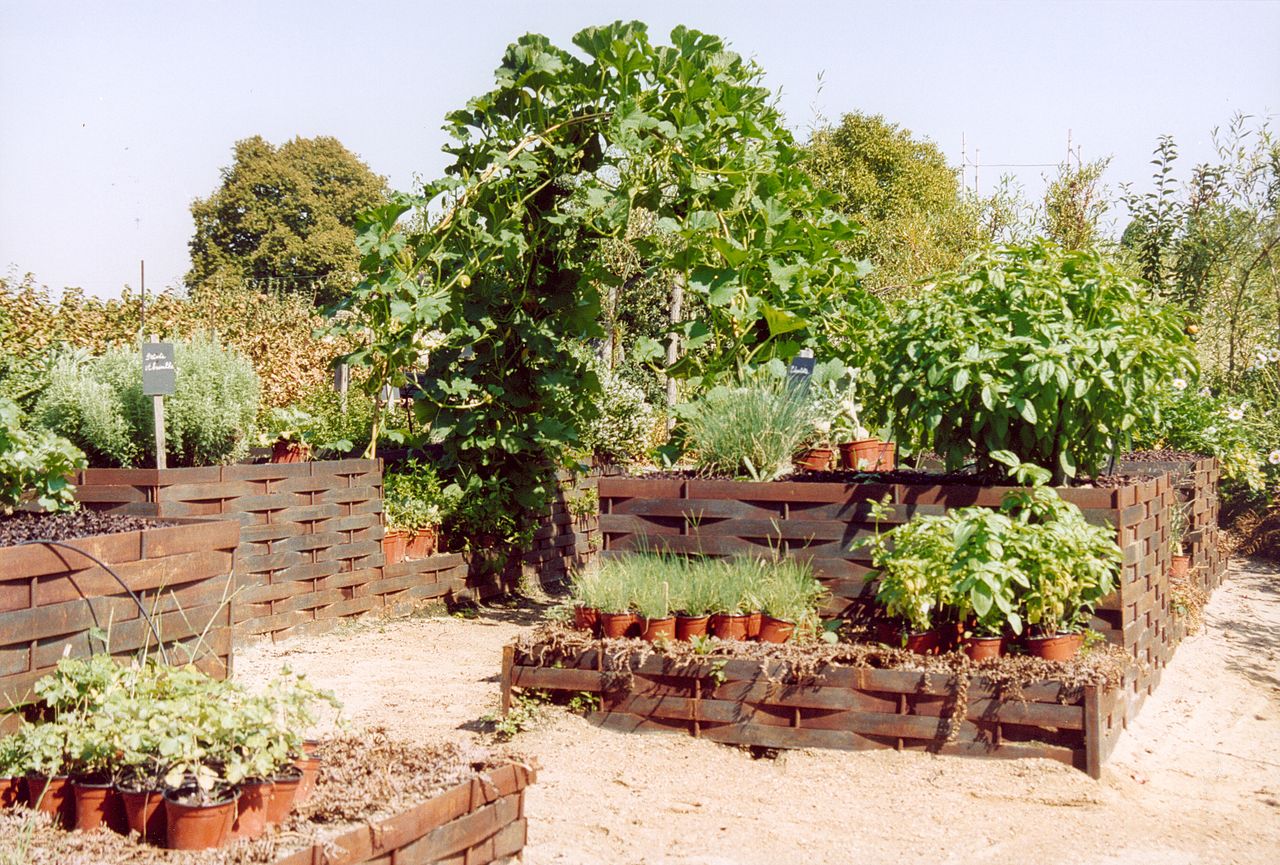

Core principles and layout
At its heart the method uses a bed divided into one-foot squares; the classic module is a 4' × 4' bed containing sixteen 12" × 12" cells. Each cell is assigned to one crop or a small group of the same crop, with larger plants occupying whole cells and small roots or herbs sharing a single cell. This organization allows all work—planting, weeding, watering and harvesting—to be done from the surrounding paths so the growing medium is not compacted. Proponents argue that wide planting rows commonly used in traditional plots waste time, labor, water, seeds and soil, and that a deliberate, small-scale arrangement improves efficiency.
Soil, bed construction and materials
Good soil is central to success. The original method promotes a loose, fertile mix often called "Mel's Mix," roughly made from equal volumes of compost, peat or coco coir, and coarse vermiculite (or another aerating material). This blend provides nutrients, moisture retention and structure without the need for tilling. Beds can be raised boxes, ground-level frames, or containers; durable sides keep paths distinct and make it easy to reach into the cells. Because paths are used for access, soil compaction in the growing area is minimized and root development is encouraged.
Plant spacing, examples and crop choices
Plants are spaced by the number that fits comfortably in each one-foot cell. Examples commonly used to illustrate spacing include whole plants such as broccoli occupying a single cell, medium-sized crops where four plants fit in one cell, and fine-seeded crops where sixteen seedlings share the space. Typical examples are:
- 1 plant per square: large cabbage or pepper
- 4 plants per square: lettuce heads or bush beans
- 9 plants per square: beets or onions
- 16 plants per square: carrots or radishes
Many gardeners adapt spacing to local varieties and growing conditions; for instance, multiple small lettuces can fill a cell as shown in guides about lettuce spacing. Regular removal of weeds and timely thinning help avoid overcrowding.
Benefits, limitations and practical tips
Advantages include reduced weeding, efficient water use, easier pest management, higher yields per square foot, and suitability for urban or container gardening. The visible organization also makes succession planting and companion planting simpler. Limitations include potential overheating in very small beds or containers, the need for reliable soil amendments, and some crops (very large vining or deep-rooted plants) that may be awkward to manage in strict one-square cells. Practical tips: use deep compost, rotate crops between cells, add mulch to conserve moisture, and plan succession plantings to keep beds productive across seasons.
History, variations and modern use
The system gained popularity after a published manual made the layout and planting rules easy to replicate; since then gardeners have adapted the concept to raised beds of differing sizes, vertical supports for vines, and intensive urban allotments. Contemporary practitioners combine square-foot principles with drip irrigation, season-extension covers, and organic fertility management. For further reading and adaptations see introductory sources and community guides at how-to references and practical forums on water-wise gardening or seed-saving. Additional curated resources include overviews of soil mixes and amendments, crop lists for small spaces, and case studies of backyard and school gardens using this approach. Many gardeners find square foot gardening a clear, teachable method for making the most of limited space while producing a diverse, continuous harvest.
Questions and answers
Q: What is square foot gardening?
A: Square foot gardening is a method of gardening that involves dividing the garden space into 4' × 4' (120 cm × 120 cm) beds, each made up of sixteen squares of about one square foot (30 cm per side, 0.09 m²). This prevents waste of time, work, water, seeds, and soil while growing quality vegetables in less space with less work.
Q: Who made square foot gardening popular?
A: Mel Bartholemew made square foot gardening popular in 1981.
Q: Why does square foot gardening involve dividing the garden space into beds separated by paths?
A: Dividing the garden space into beds separated by paths prevents soil compaction and allows for all work to be done from the pathways.
Q: What is the size of each square in a square foot gardening bed?
A: Each square in a square foot gardening bed is about one square foot (30 cm per side, 0.09 m²).
Q: How many squares are there in a square foot gardening bed?
A: There are sixteen squares in a square foot gardening bed.
Q: Can different types of plants be grown in a single square foot gardening bed?
A: Yes, different types of plants can be grown in a single square foot gardening bed. Larger plants like broccoli will use one square, while smaller plants like lettuce or carrots can be planted more closely together in a single square.
Q: How does square foot gardening differ from traditional wide row gardening?
A: Square foot gardening differs from traditional wide row gardening in that it prevents waste of time, work, water, seeds, and soil while growing quality vegetables in less space with less work. Traditional wide row gardening involves growing plants in wide, traditional rows which can lead to soil compaction and waste of resources.
Related articles
Author
AlegsaOnline.com Square Foot Gardening: A Compact Method for Productive Vegetable Beds Leandro Alegsa
URL: https://en.alegsaonline.com/art/92929