
Squash (plant): types, origin, uses, and botanical classification
Squash (genus Cucurbita) are New World plants in the gourd family grown worldwide for food, seed and ornament. This article summarizes their botany, major types, cultivation and culinary uses.
Overview
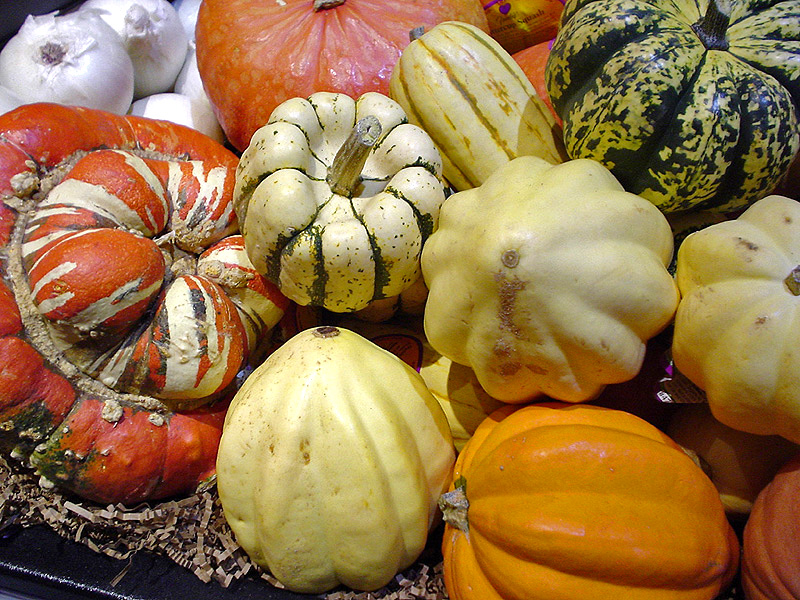
Squash are plants of the genus Cucurbita, grown for their often large, pulpy fruits. Botanically the harvested portion is a fruit (a type of berry called a pepo) but in cooking squash are treated as vegetables. Many familiar garden crops belong to the group, including pumpkins and zucchini (courgettes).
Image gallery
10 Images





Botany and classification
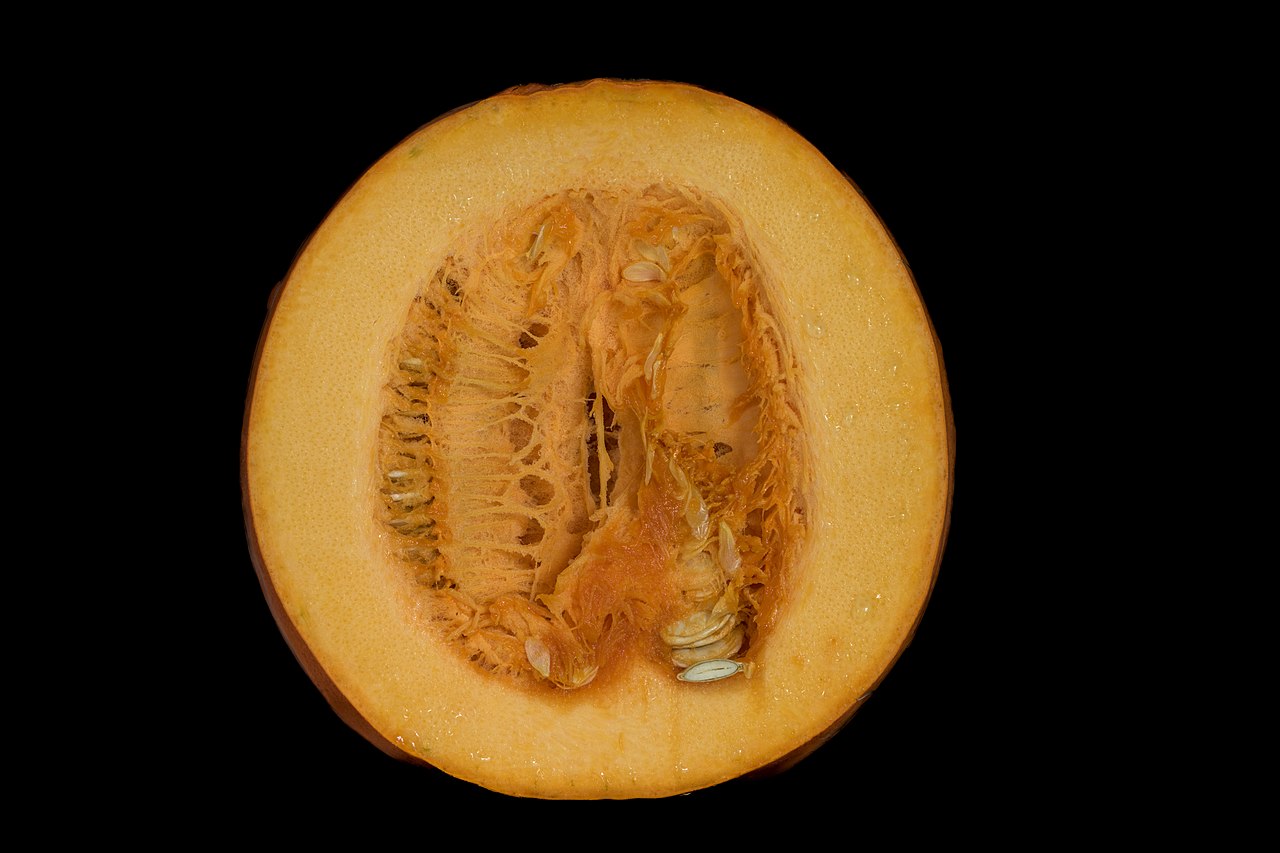
Squash belong to the plant family Cucurbitaceae, a group that includes melons, cucumbers and various gourds. Several species of Cucurbita are widely cultivated: C. pepo (many summer squashes, some pumpkins), C. maxima (large winter squashes such as hubbard), C. moschata (butternut and some pie pumpkins) and C. argyrosperma (formerly C. mixta). The fruit is characterized by a hard rind on mature forms, a fleshy interior and a central seed cavity.
Origin and history
Squashes were domesticated in the Americas by Indigenous peoples long before European contact; their use and improvement date back thousands of years. These New World crops spread to other continents after contact and became incorporated into many cuisines and farming systems worldwide. Their relationship with other cucurbits and gourds helped shape agricultural practices and food traditions in diverse regions.
Major groups and examples
- Summer squashes: harvested immature with tender skins; includes many forms of zucchini and patty pan types.
- Winter squashes: matured on the vine, with tougher rinds for storage; examples include certain pumpkins, butternut and acorn types.
- Ornamental gourds and hard-shelled varieties used for decoration or containers are close relatives within the same family.
Cultivation and care
Squash are warm-season plants that prefer sunlight, well-drained soil and regular water while fruit sets. Vining and bush habits exist; some gardeners train vines or use companion planting to improve pollination and reduce pests. Common challenges include powdery mildew, vine borers and insect pests, which are managed by cultural controls, resistant varieties and, where appropriate, targeted treatments.
Culinary uses and nutrition
Squash are versatile in the kitchen: young fruits are eaten raw or lightly cooked, mature flesh is roasted, pureed for soups and pies, or baked. Seeds are often roasted as a snack and provide oils and protein; blossoms of some species are also edible and used in regional recipes. Winter squashes are valued for storage through colder months, making them an important food resource in many temperate regions.
Uses and cultural roles
Beyond food, some squash and gourds have been used historically as utensils, containers and in folk traditions. Carved pumpkins have become culturally prominent in autumn festivals in some regions. For growers, squash are important both for home gardens and commercial production, and many regional cultivar lists and seed catalogs reflect long-standing local preferences.
Further reading and links
For practical guidance consult gardening manuals and culinary references. For botanical and taxonomic details see family treatments and cultivar databases associated with the Cucurbitaceae. General references on New World crops and their history can give context to domestication. Related topics include gourds, market and culinary information under vegetables, and specific pages on zucchini and pumpkin.
Questions and answers
Q: What are squashes?
A: Squashes are a kind of vegetables.
Q: Where did squashes come from?
A: Squashes originally came from the New World.
Q: What vegetables are in the same family as squashes?
A: Gourds are in the same family as squashes.
Q: Are pumpkins and zucchinis squashes?
A: Yes, pumpkins and zucchinis are types of squashes.
Q: How is squash classified botanically?
A: Squash is classified as a fruit according to its botanical classification.
Q: How is squash generally considered in food preparation?
A: Although squash is a fruit according to its botanical classification, it is generally considered a vegetable in food preparation.
Q: Are there any unique features or qualities of squashes?
A: The text doesn't mention any unique features or qualities of squashes.
Related articles
Author
AlegsaOnline.com Squash (plant): types, origin, uses, and botanical classification Leandro Alegsa
URL: https://en.alegsaonline.com/art/92943