
Spruce (Picea): characteristics, ecology, and uses
Spruce are coniferous evergreen trees of the genus Picea found across northern temperate and boreal regions. This article covers identification, species, ecology, uses, and distinctions from related conifers.
Overview
Spruce refers to trees in the genus Picea, a group of roughly 30–40 species in the family Pinaceae. They are native to the northern temperate and boreal (taiga) zones and form large components of evergreen forests across North America, Europe and Asia. Spruce are valued for timber, paper pulp and structural wood, and several species are widely cultivated as ornamentals and Christmas trees. For general information on the genus, see Picea overview.
Image gallery
10 Images




Identification and physical characteristics
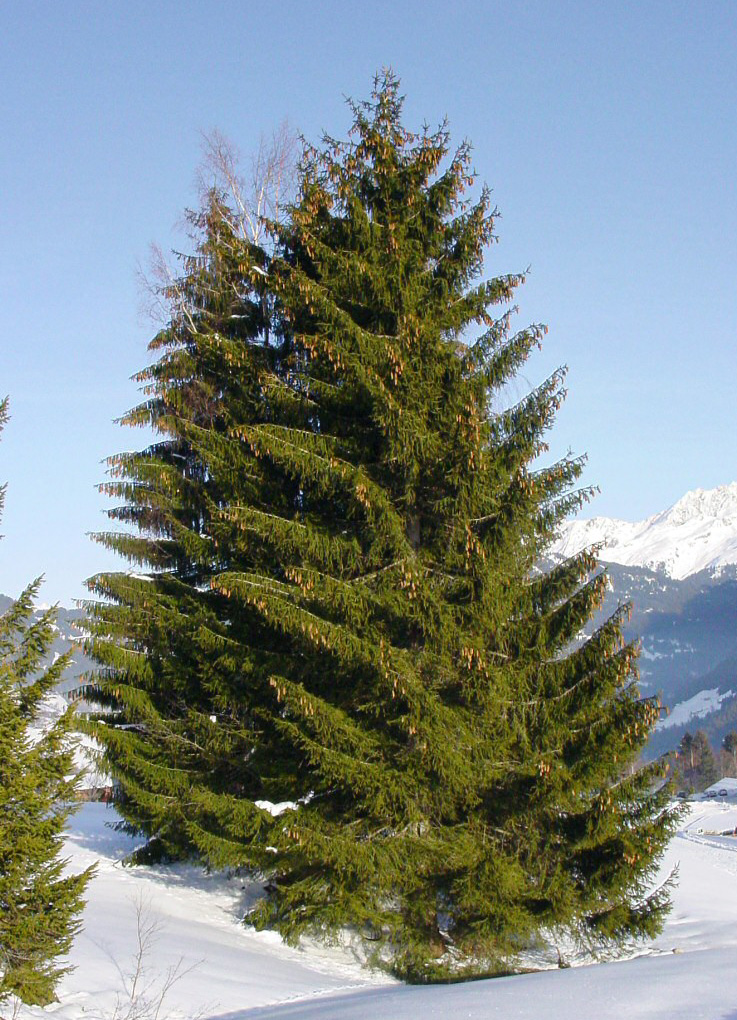
Most spruces are medium to large trees, commonly 20–60 meters tall (with rare individuals taller). They typically have a conical crown and a single straight trunk. Needles are short, rigid, and attached singly to small woody pegs; unlike some other conifers, spruce needles are roughly four-sided in cross-section and can be rolled between the fingers. Needles persist for several years (often 4–10 years) before being shed. Cones are usually pendulous and produce winged seeds. For leaf and cone details, see leaf and cone anatomy and cone morphology.
Notable species
- Norway spruce (Picea abies) — common in Europe; used for timber and Christmas trees (P. abies).
- Sitka spruce (Picea sitchensis) — large Pacific Coast species prized for strong, resonant wood (P. sitchensis).
- White spruce (Picea glauca) and black spruce (Picea mariana) — widespread in North American boreal forests (P. glauca, P. mariana).
- Engelmann spruce (Picea engelmannii) — found in mountainous regions of western North America (P. engelmannii).
Ecology, uses and importance
Spruce forests are ecologically important for carbon storage, wildlife habitat and watershed protection. The wood is lightweight, straight-grained and widely used in construction, paper production and musical instrument soundboards (notably Sitka spruce). Young trees and seedlings are also cultivated for landscaping and reforestation projects. Indigenous peoples have used spruce for shelter, tools and resin. For management and silviculture references, consult forest management.
Distinctions, pests and conservation
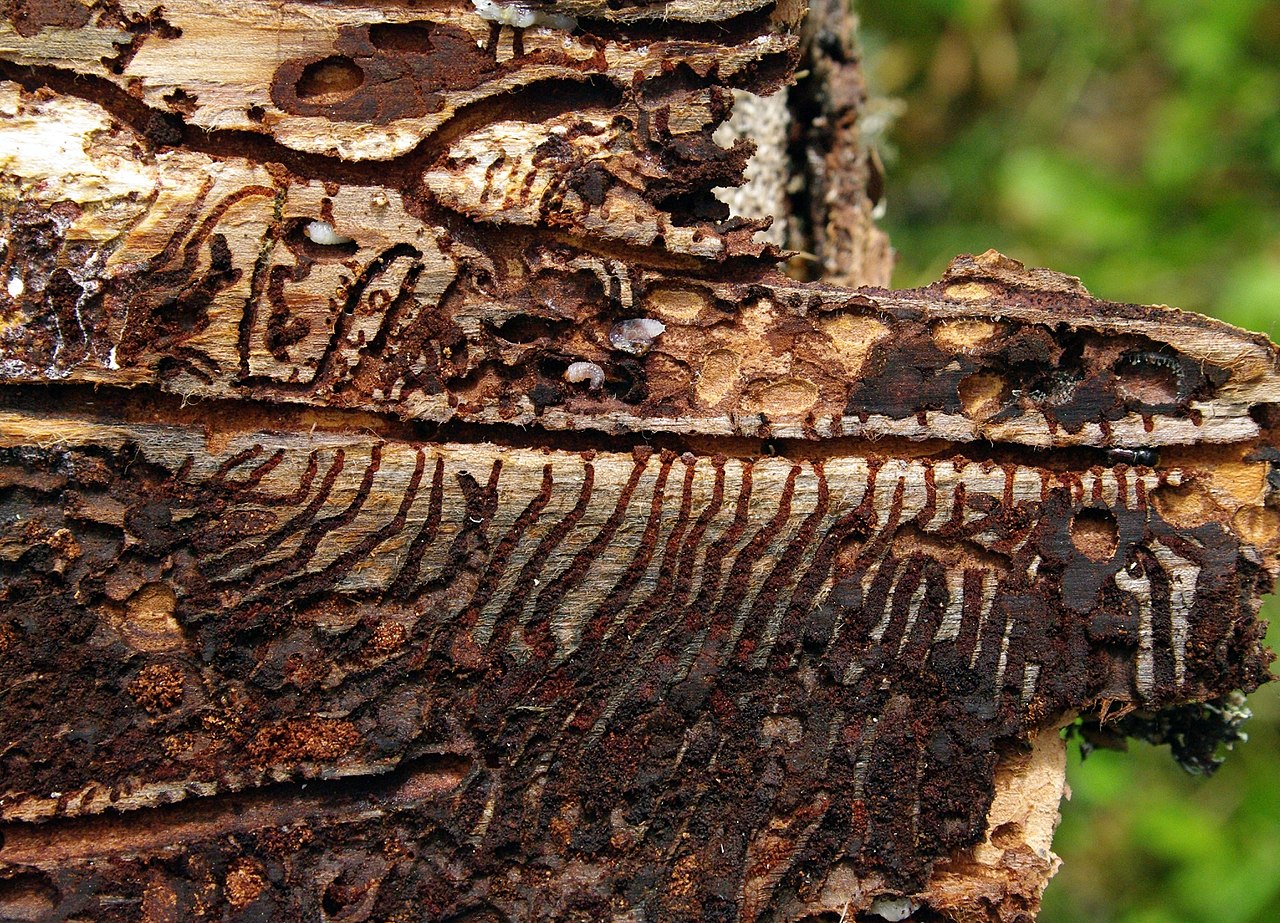
Spruce can be distinguished from firs (Abies) and pines by needle attachment, cone position and needle cross-section. Firs bear upright cones that disintegrate on the tree, while spruce cones hang down intact. Spruce face threats from climate change, defoliating insects such as spruce budworm, bark beetles and fungal diseases; these factors can alter range and forest composition. Practical guidance and monitoring resources are available at conservation and pest resources.
Related articles
Author
AlegsaOnline.com Spruce (Picea): characteristics, ecology, and uses Leandro Alegsa
URL: https://en.alegsaonline.com/art/92896