
Soy sauce: origins, production, varieties, culinary uses and storage
Soy sauce is a fermented seasoning from soybeans, grains, water and salt. This article covers its production, varieties, flavor (umami), regional uses, nutrition, storage and cultural history.
Overview
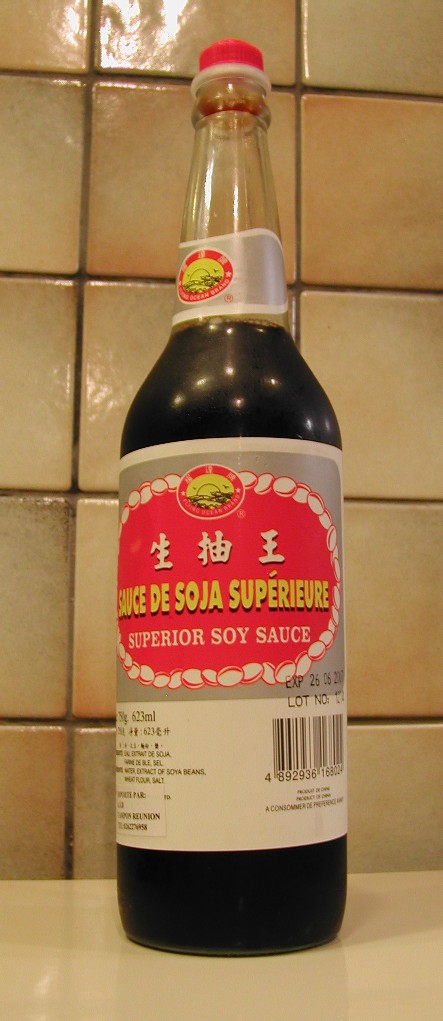
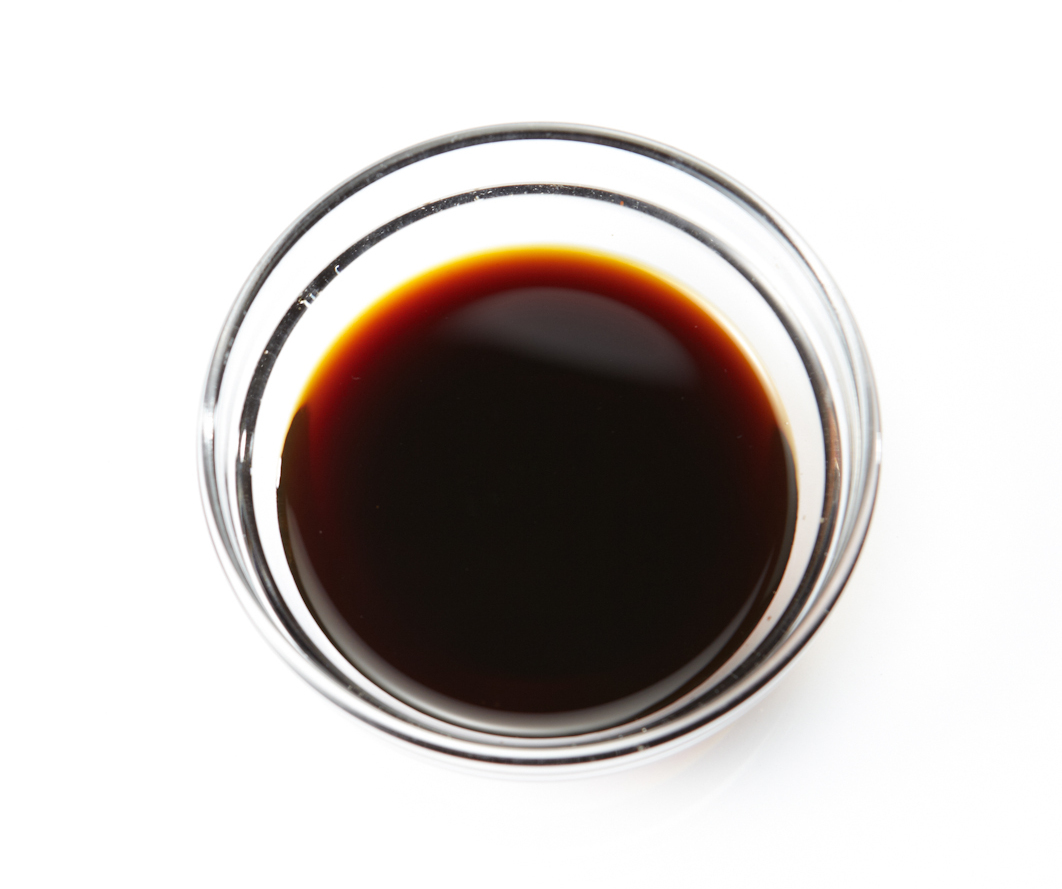
Soy sauce is a dark, brown, savory liquid condiment produced by the fermentation or chemical processing of soybeans with roasted grain, water and salt. It is prized for its salty, savory and slightly sweet profile and for contributing the taste known as umami. The condiment appears across East and Southeast Asia and is widely used around the world. For notes on regional spelling and usage in the United States see US usage.
Image gallery
10 Images


Ingredients and fermentation
Traditional soy sauce begins with cooked soybeans mixed with roasted cereal grains (often wheat). The mixture is inoculated with a mold culture called koji and allowed to develop enzymatic activity. Typical koji molds belong to the Aspergillus group and help break down proteins and starches into amino acids and simple sugars; this biochemical conversion produces free glutamate and other compounds responsible for umami taste and complex aroma. After the koji stage the mash is mixed with brine and aged, allowing bacteria and yeasts to continue slow fermentation and maturation. Some industrial products accelerate or replace fermentation by acid hydrolysis of soy protein to create chemically similar seasoning sauces.
Production methods and labels
Methods range from long, naturally brewed processes to faster chemical production. Naturally brewed or traditionally fermented soy sauces are sometimes labeled as brewed, fermented, or naturally aged; technical or chemical processes are described by terms such as acid-hydrolyzed or hydrolyzed vegetable protein. Consumers seeking traditionally made products can consult production guides and labeling resources at fermentation references. Differences in method strongly affect aroma, complexity and mouthfeel.
Major regional varieties
- Chinese styles: Chinese soy sauces are commonly classified as light (for seasoning) and dark (aged and often slightly sweetened). Regional names and practices vary; see regional styles.
- Japanese shoyu: Shoyu typically contains a significant wheat proportion, giving a balanced, slightly sweet profile. Subtypes include koikuchi (common table shoyu), usukuchi (lighter in color but saltier) and tamari, which is often higher in soybean and lower in wheat.
- Korean ganjang: Ganjang includes traditionally brewed sauces and modern bottled forms derived historically from fermented soy pastes; traditional varieties are often associated with longer maturation.
- Specialty and commercial forms: Tamari (low-wheat), mushroom-infused sauces, reduced-sodium lines, and chemically produced seasoning sauces are widespread. For comparisons of styles consult variety guides and regional taste profiles at culinary references.
Flavor chemistry and sensory properties
Soy sauce owes its savory depth primarily to free amino acids such as glutamate, produced during fermentation, and to Maillard reaction products formed during heating or prolonged aging. These compounds create the characteristic brown color, roasted notes and lingering umami. Aroma is shaped by alcohols, ketones, esters and other volatile molecules generated by microbial metabolism and maturation. The result is a complex balance of saltiness, sweetness, acidity and umami that enhances other ingredients without overwhelming them; more on taste and chemistry is available in technical summaries at flavor studies.
Culinary uses and pairing
Soy sauce is extremely versatile: it seasons stir-fries, soups, marinades, dressings and dipping sauces, and it is used at the table for finishing. Lighter sauces are often used to season broths and delicate dishes, while darker, aged sauces are favored where color and a deeper roasted note are desired. It pairs well with ingredients rich in fat and umami—meats, mushrooms, aged cheeses in fusion contexts—and with acidic or sweet elements for balanced glazes. Many cooks blend soy sauce with citrus, vinegar, oils, sugar or chili to create specific dressings or marinades; recipe adaptations and pairing ideas can be explored via culinary notes.
Nutrition, allergens and health considerations
Soy sauce is high in sodium and should be used with that factor in mind. It also contains amino acids from fermentation and may contain small amounts of alcohol added as a preservative in some commercial products. People with wheat sensitivity or celiac disease should check labels, because many soy sauces contain wheat; alternatively, tamari or specially labeled gluten-free soy sauces can be chosen. For product-specific nutrition and labeling rules see nutrition resources and regulatory overviews at labeling standards.
Storage and shelf life
Because of its salt content and, in many cases, added alcohol or preservatives, soy sauce is relatively shelf-stable. Refrigeration of opened bottles slows gradual changes in aroma and color and helps preserve the freshest flavor, especially for naturally brewed varieties. To maintain quality, store bottles away from direct light and heat and reseal them after use. For guidance on storage and stability consult manufacturer notes and technical advice at storage guidance.
History and cultural significance
Soy sauce has its roots in China, where it developed from older fermented soybean pastes and preserved condiments. Over centuries, the product spread to Japan, Korea and Southeast Asia and evolved along local culinary lines. It became central to certain national cuisines and also influenced global cooking through trade and adaptation; historical surveys and comparative studies are available at historical overviews and regional research.
For readers seeking further information on traditional techniques, commercial differences and practical culinary uses, consult the linked resources and specialized texts on fermentation, food chemistry and regional cookery.
Related articles
Author
AlegsaOnline.com Soy sauce: origins, production, varieties, culinary uses and storage Leandro Alegsa
URL: https://en.alegsaonline.com/art/92380