
Aspergillus: biology, ecology, and significance of a widespread fungal genus
Aspergillus is a large genus of mold-forming fungi in Ascomycota, with several hundred species. This article covers its structure, life cycle, ecology, uses, medical importance, and history.
Overview
Aspergillus is a broadly distributed genus of filamentous fungi known for its mold-like growth and dusty spores. Comprising several hundred recognized species, members of this genus occur in a wide range of environments and play diverse roles in nature, industry and health. Taxonomically Aspergillus belongs to the phylum Ascomycota and is treated in many fungal reference works; for a general list see species listings and for a genus summary consult genus resources.
Image gallery
6 Images


Characteristics and structure
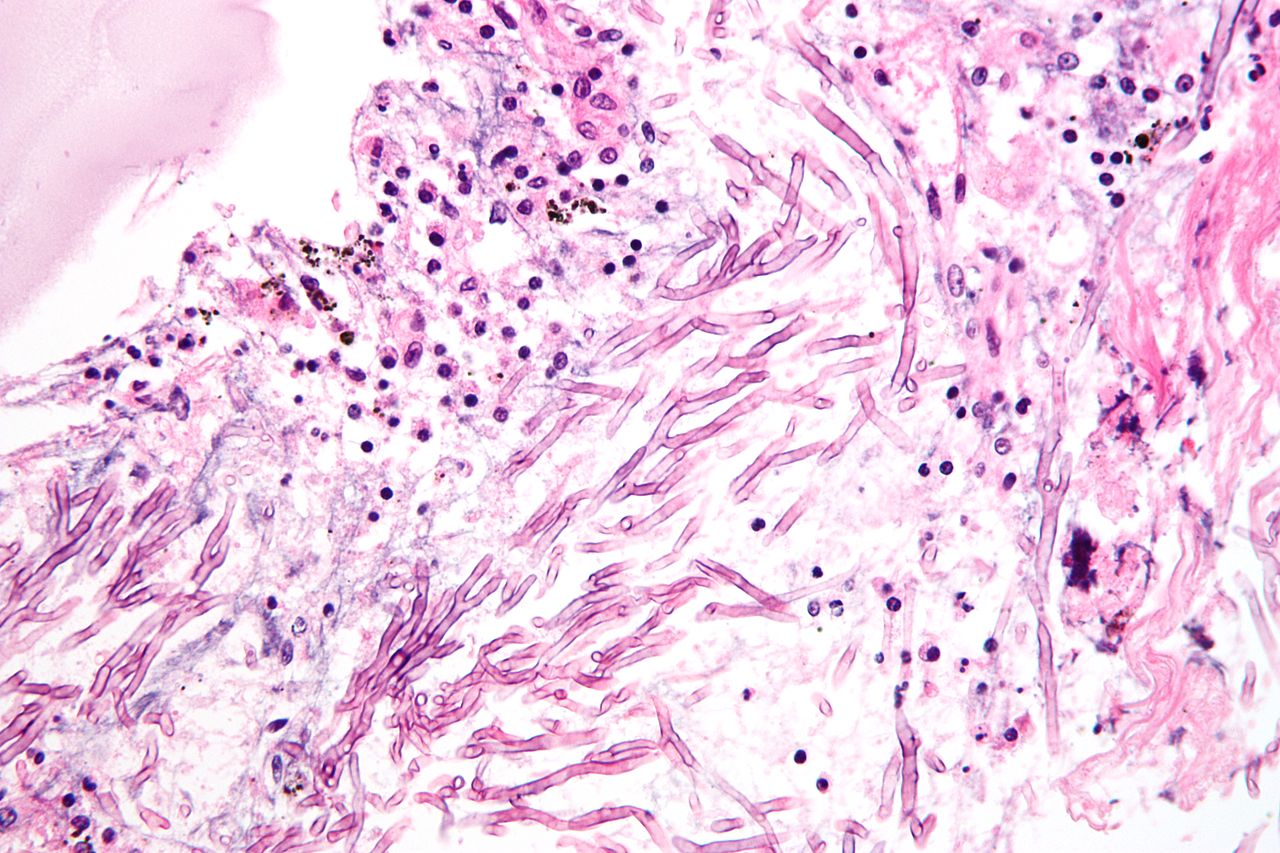
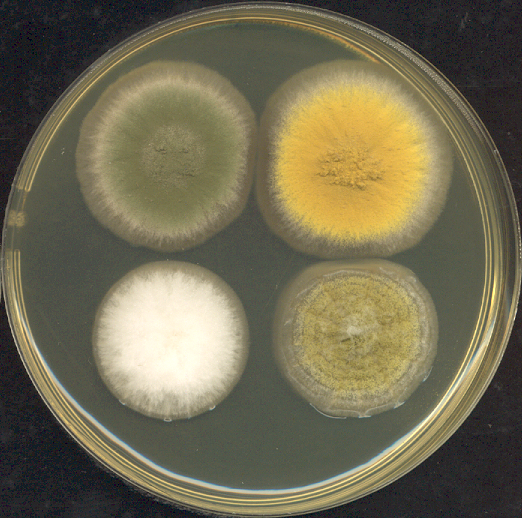
Aspergillus grows as a branching network of hyphae that form a mycelium on organic substrates. Asexual reproduction produces chains of conidia (asexual spores) borne on specialized stalks called conidiophores. The conidiophore often ends in a swollen vesicle where phialides generate the conidial chains; this spore-bearing structure inspired the genus name, derived from aspergillum-like shapes. In many species a sexual cycle also exists, though it may be less conspicuous or occur only under particular conditions.
Ecology and distribution
Species of Aspergillus are highly aerobic and thrive in oxygen-rich habitats. Their spores are small and readily dispersed by air, which makes them common colonizers of soil, decaying vegetation, stored foods (especially starchy or sugary materials) and indoor environments. Some species are specialized decomposers of plant material, while others tolerate extreme or nutrient-poor habitats. For details on ecology and environmental sampling see aerobic ecology resources and mold contamination guides.
Uses in industry and science
Certain Aspergillus species are valuable in biotechnology and food production. For example, strains of Aspergillus niger are widely used to produce citric acid and industrial enzymes, while other species contribute to fermentation processes in traditional foods and to recombinant enzyme manufacture. Their biochemical versatility and ease of cultivation make them important model organisms in laboratory research; see industrial profiles at research summaries and applied strain collections at enzyme production resources.
Medical significance
Several dozen Aspergillus species are medically relevant. They can cause a spectrum of conditions collectively called aspergillosis, ranging from allergic reactions and localized infections (such as otitis externa or chronic sinusitis) to invasive disease in immunocompromised patients. Notable pathogenic species include A. fumigatus, A. flavus and A. niger. Some species produce secondary metabolites such as aflatoxins, which are potent food contaminants and health hazards. Clinical information and guidelines are available through infectious disease resources like medical references and diagnostic manuals at clinical mycology.
History and notable facts
The genus was first described in the early 18th century; its characteristic spore-producing structures drew early microscopists' attention. Over time, molecular methods have reshaped species concepts within Aspergillus and clarified relationships to other ascomycetes. Distinguishing Aspergillus from visually similar molds (for example certain Penicillium species) often requires microscopic or genetic analysis. For historical and taxonomic overviews see historic accounts and current taxonomic frameworks at species databases.
Practical considerations
- Prevention: controlling moisture and storing susceptible foods properly reduces spoilage.
- Diagnosis: laboratory culture, microscopy and molecular tests help identify species in clinical or environmental samples.
- Benefits vs risks: many Aspergillus species are industrially beneficial, but a subset pose medical or food-safety concerns.
For focused technical information, consult mycology texts or specialist databases and collections indicated above (Ascomycota context, ecology, contamination control, industrial uses, clinical guidance).
Questions and answers
Q: What is Aspergillus?
A: Aspergillus is a large genus of fungi in the phylum Ascomycota.
Q: Where does Aspergillus often grow?
A: Aspergillus often grows as a mould, often on plants.
Q: What does Aspergillus make in a structure called an aspergillum?
A: Aspergillus makes asexual spores in a structure called an aspergillum.
Q: Are all types of Aspergillus capable of sexual reproduction?
A: No, only about one-third of Aspergillus types are capable of sexual reproduction.
Q: Where are Aspergillus species commonly found?
A: Aspergillus species are highly aerobic and are found in almost all oxygen-rich environments, and they are common contaminants of starchy foods and grow in or on many plants and trees.
Q: Are Aspergillus species important in medicine and industry?
A: Yes, Aspergillus species are important medically and commercially.
Q: Can Aspergillus cause infection in humans and animals?
A: Yes, some species of Aspergillus can cause infection in humans and other animals, and there are more than 60 medically relevant pathogens.
Tags
Related articles
Author
AlegsaOnline.com Aspergillus: biology, ecology, and significance of a widespread fungal genus Leandro Alegsa
URL: https://en.alegsaonline.com/art/6677
Sources
- open-access-biology.com : "An overview of the genus Aspergillus"
- informahealthcare.com : informahealthcare.com/doi/abs/10.1080/13693780802139859