
Spam (canned meat)
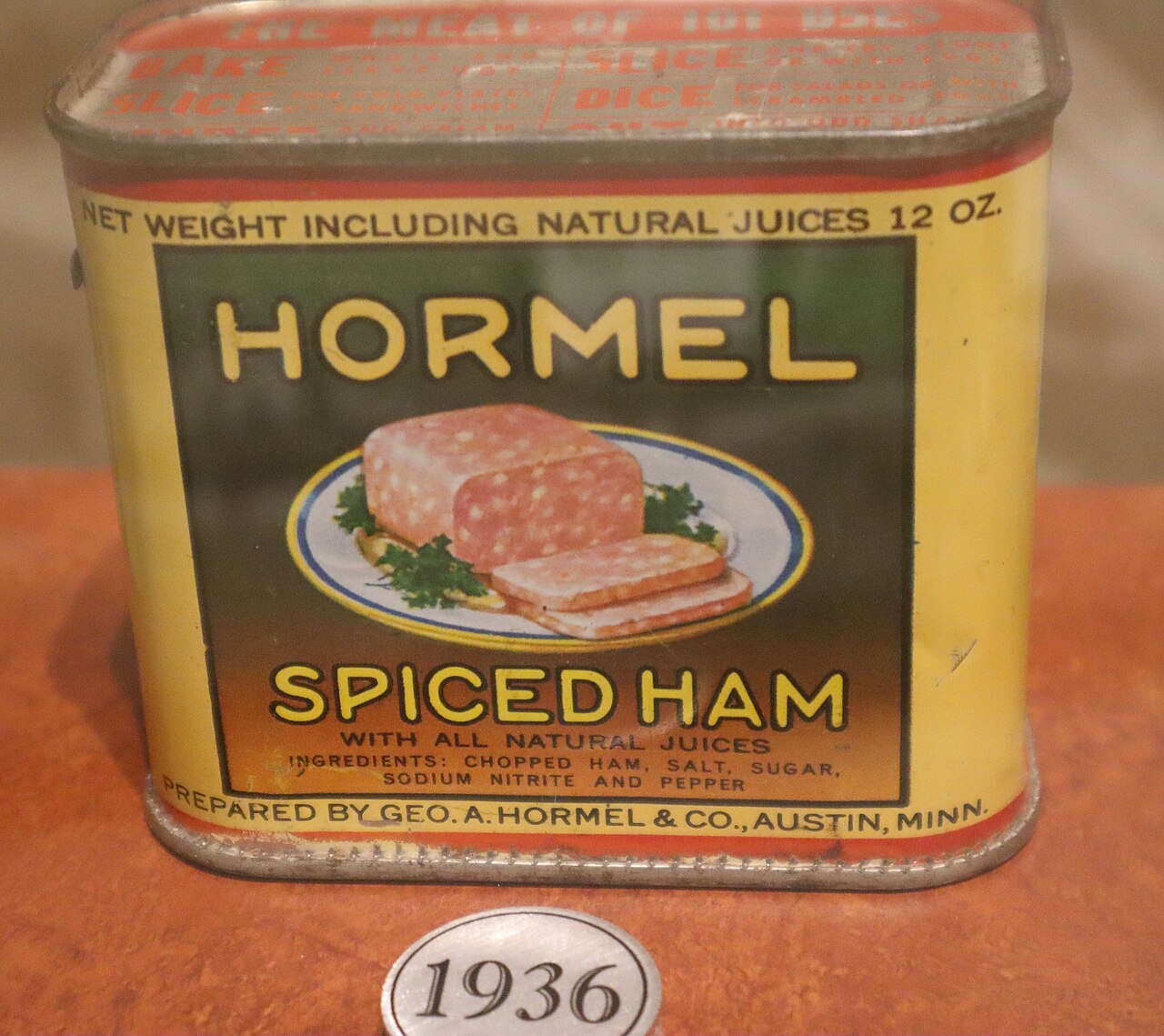
Spam is a trademarked precooked canned meat product introduced by Hormel Foods in the 20th century. Widely distributed, it has varied formulations, wartime history, regional culinary roles and notable cultural impact.
Overview
Spam is a brand of precooked canned meat produced by the Hormel Foods Corporation and first marketed in the 20th century. Packaged in metal tins for long shelf life and portability, it was designed as an affordable, shelf-stable source of protein. The product is commonly sliced, fried, grilled or diced and used in a wide range of recipes. Its texture and flavor—a salty, savory profile from curing and seasoning—are characteristic and have made it both a pantry staple and a subject of culinary innovation.
Image gallery
10 Images



Ingredients and production
The classic formulation is based primarily on pork, combining elements derived from the shoulder and ham with salt, water, sugar, and curing agents. The meat mixture is cooked in the can during production, which both sterilizes the contents and yields a product that can be stored without refrigeration until opened. Over the decades the manufacturer has introduced formulations that alter fat, sodium or meat content to meet different consumer preferences and regulatory environments.
Varieties
Hormel has offered multiple varieties of Spam to suit tastes and dietary needs. These have included reduced-fat or reduced-sodium versions, as well as products that replace or supplement pork with other meats, such as chicken or turkey. Limited-edition flavors and region-specific offerings have appeared in various markets, reflecting local preferences and seasonal promotions.
History and wartime role
Developed and launched in the 1930s, Spam rose to prominence during World War II when canned, shelf-stable rations were essential for military forces and civilian populations. Large-scale procurement by armed services and allied nations led to broad distribution. The availability of Spam during wartime and in postwar periods contributed to its adoption in many parts of the world where fresh meat was scarce or costly.
Culinary uses and regional significance
Spam is used in many culinary contexts: pan-fried slices served with eggs, diced into stews and stir-fries, included in sandwiches, or incorporated into rice and noodle dishes. In places such as Hawaii, Spam has become particularly integrated into local cuisine—Spam musubi (a slice of Spam on rice wrapped with seaweed) is a well-known example. In Korea, processed meats including Spam appear in army stew dishes that blend American and Korean ingredients. Similarly, in parts of the Pacific, Southeast Asia and the British Isles, Spam has been adapted into regional recipes and comfort foods.
Nutrition, storage and uses
As a canned, processed meat, Spam provides protein and calories and is prized for its long shelf life and ease of storage, useful for emergency kits and situations with limited refrigeration. It is higher in sodium and often higher in fat than equivalent portions of fresh lean meat, so many consumers treat it as an occasional item or choose reduced-sodium or lower-fat variants when available.
Branding, name and cultural impact
The origin of the name "Spam" has inspired multiple explanations and playful backronyms. The company has at times suggested interpretations that reference "shoulder of pork and ham," while museum curators and fans have proposed alternative phrases. Spam has also become a cultural icon: it appears in advertising, exhibits at a dedicated museum, and in popular media. A famous comedy sketch helped popularize the word "spam" as a term for unwanted repetitive messages in electronic communication, illustrating how a food brand entered wider cultural vocabulary.
Further reading and references
- Manufacturer and corporate information: Hormel Foods Corporation.
- Primary meat ingredient context: pork.
- Common pork cuts associated with the product: pork shoulder.
- Traditional cured meat component in recipes: ham.
- Alternate poultry formulations and related products: chicken.
- Role in mid‑20th century provisioning and wartime supply: World War II.
Across decades and regions, Spam has remained a visible example of mass‑produced canned meat. Its practicality, variety of uses and capacity to be adapted into local dishes have sustained its presence in both household pantries and commercial kitchens. At the same time, debates about nutrition and processed foods have shaped consumer choices and encouraged the development of alternative formulations. The product’s place in history and culture—culinary, commercial and linguistic—continues to invite interest from cooks, historians and collectors.
Related articles
Author
AlegsaOnline.com Spam (canned meat) Leandro Alegsa
URL: https://en.alegsaonline.com/art/92460