
Kōji: mold-fermented starter used in Japanese cuisine
Kōji is a mold-inoculated grain used to make sake, miso, soy sauce and other Japanese fermented foods; it supplies enzymes that convert starches and proteins into sugars and amino acids.
Overview
Kōji (麹 or こうじ) refers to grain or legumes inoculated with a beneficial mold culture and the resulting product used as a fermentation starter. In practice, kōji is produced by growing spores of the mold Aspergillus oryzae on a cooked substrate. The living culture releases enzymes that break down complex molecules—most notably converting starch into simpler sugars and partially digesting proteins—making nutrients available for yeast and bacteria during later fermentation steps. Kōji plays a central role in many traditional Japanese fermented foods and beverages and is valued for its umami-enhancing effects.
Image gallery
4 Images


Production and varieties
Common substrates for making kōji include steamed rice, malted or roasted barley, and soybeans. The process begins by cooling the cooked substrate, inoculating it with koji spores, and incubating under controlled temperature and humidity so the mold can grow evenly. Different substrates yield distinct aroma, enzyme profiles, and textures; for example, rice kōji is preferred for sake, while soy kōji is typical for miso and soy sauce.
Uses and examples
Kōji is the foundational ingredient in a range of fermented products. Typical uses include:
- Sake — where rice kōji supplies sugars for yeast fermentation.
- Mirin — a sweet rice wine used in cooking.
- Miso — fermented soybean paste.
- Soy sauce — brewed from kōji-treated grains and beans.
- Vinegar and pickles — where kōji-derived sugars and acids shape flavor.
- Distilled spirits such as shōchū and awamori.
Characteristics and cultural notes
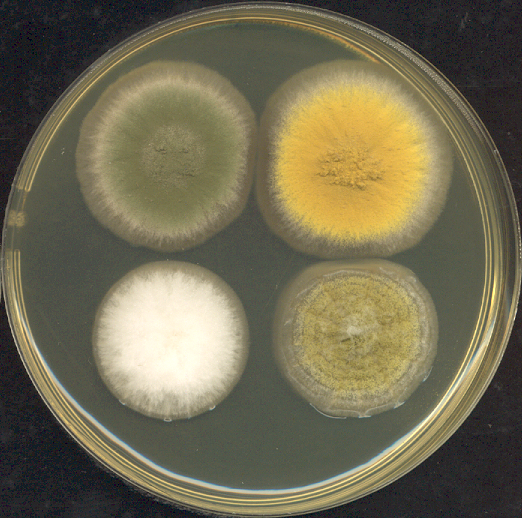
Visually, active kōji often appears as a white, sometimes yellowish or greenish, bloom on the substrate and carries a distinct, mellow aroma. Beyond traditional uses, kōji and its enzymes have attracted interest in modern cuisine and food science for creating new flavors, tenderizing ingredients, and producing plant-based alternatives. Safety and quality depend on controlled cultivation: commercial producers maintain specific strains and hygienic conditions to ensure desirable enzyme production and to exclude unwanted microbes. For readers interested in fermentation techniques and recipes, many practical guides and ingredient suppliers can be found through specialist sources such as the fermentation and culinary communities represented by fermentation resources and specialty producers.
Related articles
Author
AlegsaOnline.com Kōji: mold-fermented starter used in Japanese cuisine Leandro Alegsa
URL: https://en.alegsaonline.com/art/54146