
Spaghetti: origin, characteristics, uses and cultural notes
Overview of spaghetti: its ingredients and production, common preparations and sauces, history and etiquette, storage and varieties including thickness names and global popularity.
Overview
Spaghetti is a long, solid, cylindrical pasta widely eaten around the world. Traditionally made from durum wheat semolina and water, spaghetti is shaped into thin rods that are boiled and served hot, either as a simple accompaniment or as the base of a main dish. The word itself connects to the Italian diminutive for string, reflecting the shape and texture that define this pasta type. For a general reference on the term see spaghetti and the related Italian origin spaghetto.
Image gallery
10 Images




Composition and production
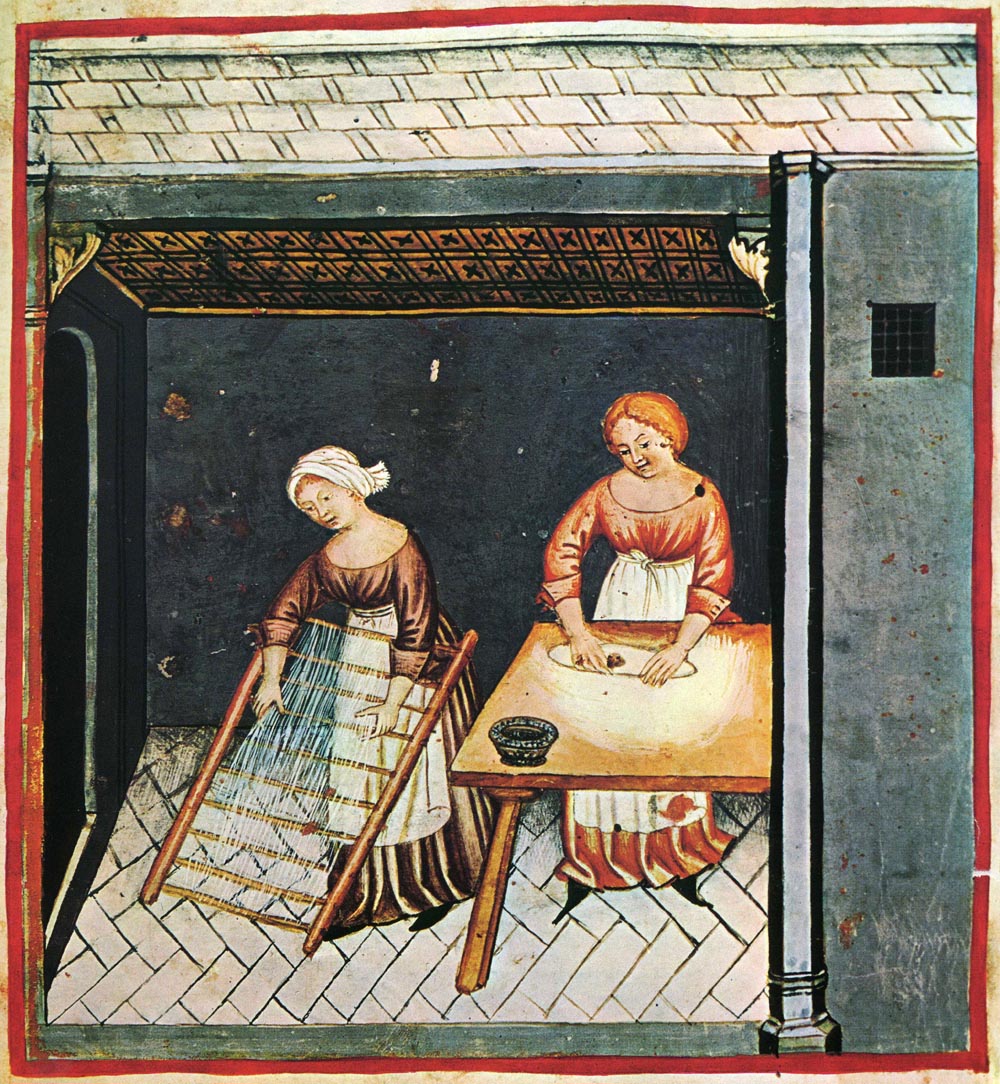
Most commercial spaghetti is produced from durum wheat semolina, mixed into a stiff dough and extruded through round dies to form long strands; this raw material is commonly described as wheat-based. In some regions, especially for artisanal or fresh varieties, eggs may be added. The finished strands are dried for shelf stability or sold fresh as a type of noodle. Cooking involves being boiled in abundant water until the desired texture is reached.
Common preparations and sauces
Spaghetti serves as a neutral carrier for a wide range of sauces and ingredients. Basic dressings include melted butter or oil, while more complex sauces rely on ripe tomato, garlic, and olive oil, often seasoned with aromatic herbs. Seafood versions may feature mussels or other fish, while meat-based sauces add ground meat. Grated hard cheeses such as Parmesan are commonly offered at the table. In recipes the term sauce covers a broad family of preparations from oil-and-garlic to ragù and cream-based emulsions.
Varieties, thickness and serving notes
Spaghetti is available in several thicknesses. Thinner strands are often called spaghettini, the standard form is called spaghetti, and thicker variants may be labeled spaghettoni. Regional and commercial labeling can vary. Serving customs differ by country: in Italy sauces are typically mixed with the pasta in the pan so the strands are evenly coated. Diners commonly use a fork, sometimes aided by a spoon when twirling is preferred; using a knife to cut strands at the table is generally discouraged in adult settings but may be done for small children.
History and cultural spread
Long pasta similar to spaghetti has been produced for centuries in Italy, where production moved from hand-formed shapes to industrial extrusion to meet demand. Spaghetti and its sauces were carried to other parts of the world through migration and trade. In the United States and Canada spaghetti is commonly served with tomato-based sauces that may include meatballs, a pairing that became particularly popular in immigrant communities. Spaghetti enjoys broad popularity outside Europe as well, including parts of North Africa such as Libya.
Cooking tips, storage and notable facts
- Texture: many cooks aim for al dente—firm to the bite—rather than overly soft strands.
- Mixing: combining sauce and pasta in the pan helps the flavors cling to the strands.
- Leftovers: cooked spaghetti stored in an airtight container typically keeps for several days in the refrigerator; it will last longer if frozen.
- Global role: spaghetti is a versatile staple found in home kitchens, restaurants and industrial food production, adaptable to simple and elaborate recipes alike.
For more reading on the general topic and variations, see the basic entries and resources linked here: spaghetti overview, etymology notes at spaghetto, and practical guides on ingredients and cooking at the related placeholders above.
Questions and answers
Q: What is spaghetti?
A: Spaghetti is a long, string-shaped kind of pasta.
Q: Where does the word spaghetti come from?
A: The word spaghetti comes from Italian spaghetto, which means "string".
Q: How is spaghetti made?
A: Spaghetti is made from wheat noodles, which are boiled in water for a short time.
Q: How can spaghetti be served?
A: Spaghetti can either be served as a side dish or as a main dish with added sauce.
Q: Are there different kinds of sauces that can be used with spaghetti?
A: Yes, there are many different kinds of sauces that can be used with spaghetti such as butter, tomatoes, garlic, olive oil and various other herbs.
Q: Is it common to add meatballs to the sauce in some countries?
A: Yes, in some countries like the United States and Canada it is common to add meatballs to the sauce when making spaghetti.
Q: How long do cooked leftovers last in the fridge or freezer?
A: Cooked leftovers usually last around 3 to 5 days in the fridge and more than one month in the freezer.
Related articles
Author
AlegsaOnline.com Spaghetti: origin, characteristics, uses and cultural notes Leandro Alegsa
URL: https://en.alegsaonline.com/art/92448
Sources
- britannica.com : "spaghetti (pasta) -- Britannica Online Encyclopedia"
- etymonline.com : "Online Etymology Dictionary"
- ats.agr.gc.ca : Consumer Trends Pasta Market in the EU27
- learnarabicwithlaura.com : learnarabicwithlaura.com
- stilltasty.com : stilltasty.com/Fooditems/index/18356