
Sparkling wine
Wines that contain significant dissolved carbon dioxide, producing bubbles. Covers production methods, major styles and grapes, regional names (Champagne, Cava, Prosecco, Crémant) and common uses and pairings.
Sparkling wine describes any wine that contains a noticeable amount of dissolved carbon dioxide, which gives it effervescence and a characteristic frothy head when poured. The gas may arise naturally from a secondary fermentation that traps the carbon dioxide in the wine, or it may be introduced later by mechanical means. Sparkling wine can be white or rosé, and it ranges from very dry to sweet depending on how much sugar remains after production.
Image gallery
10 Images

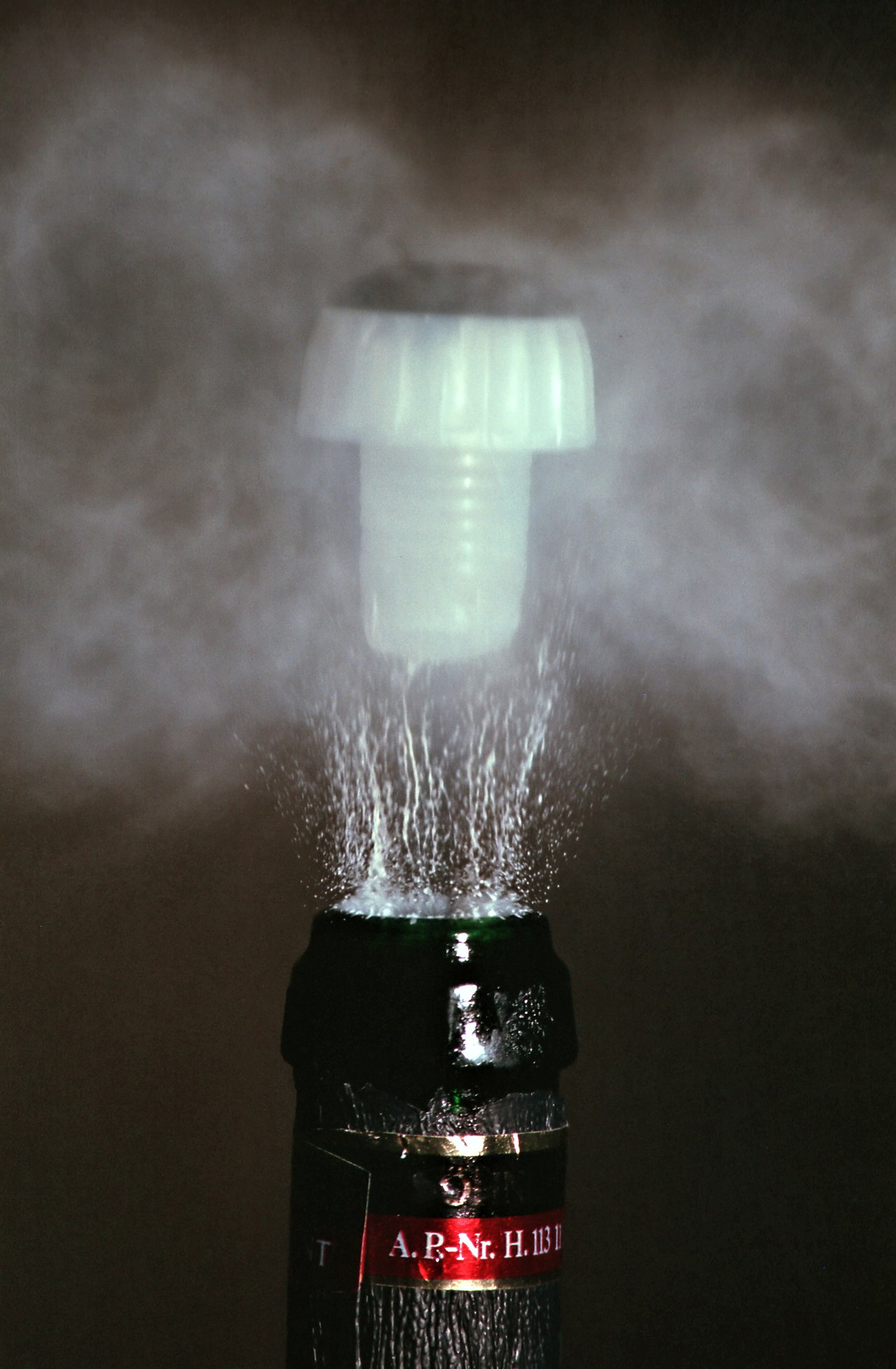


How it is made
There are several production techniques. The traditional method—often associated with Champagne—involves a second fermentation in the bottle, followed by riddling (gradually moving the lees toward the neck) and disgorgement (removal of the spent yeast). A dosage of wine and sugar may be added afterward to adjust sweetness and balance. The tank method, also called the Charmat method, carries out secondary fermentation in a pressurized tank and is commonly used for lighter, fruitier styles. Other approaches include the ancestral method, which traps natural fermentation without disgorgement, and direct carbonation, where carbon dioxide is injected.
Characteristics and terminology
Bubbles influence both texture and perceived acidity: finer, persistent bubbles are associated with more time spent undergoing fermentation in a sealed environment. Winemakers describe sweetness with terms such as Brut, Extra Brut, Sec and Demi-Sec. Important process terms include fermentation (the conversion of sugar to alcohol and gas), dosage (final sugar adjustment), and disgorgement (removal of sediment).
Grapes and styles
- Classic Champagne varieties: Chardonnay, Pinot Noir and Pinot Meunier.
- Prosecco uses the Glera grape and is typically produced by the tank method.
- Sweet sparkling wines such as Asti are often made from Muscat (Moscato) grapes.
Producers may craft bone-dry sparkling wines for long aging or softer, aromatic styles for immediate drinking. The role of carbon dioxide is both sensory and preservative, altering aroma release and inhibiting oxygen contact.
Names, regions and legal distinctions
Certain regional names are legally protected and signal both place and production rules: Champagne refers only to wines from the Champagne region of France made under specific regulations. Spain’s traditional méthode is marketed as Cava, Italy has Prosecco and various Spumante styles, and Germany labels many examples as Sekt. In France outside Champagne producers often use terms such as Crémant or Blanquette de Limoux, and there are longstanding regional specialties such as Clairette de Die.
Uses, pairing and cultural role
Sparkling wine is widely associated with celebrations, but it is also versatile at the table: its acidity and effervescence make it a good match for fried foods, seafood, creamy cheeses and dishes with acidic or salty elements. Producers range from large commercial houses to small estates; aging potential varies by style and production method.
Related articles
Author
AlegsaOnline.com Sparkling wine Leandro Alegsa
URL: https://en.alegsaonline.com/art/92499