
Spice Trade: Routes, History, and Global Impact
Overview of the historical spice trade: major routes, key spices, economic and cultural effects, and how demand reshaped exploration and world commerce.
Overview
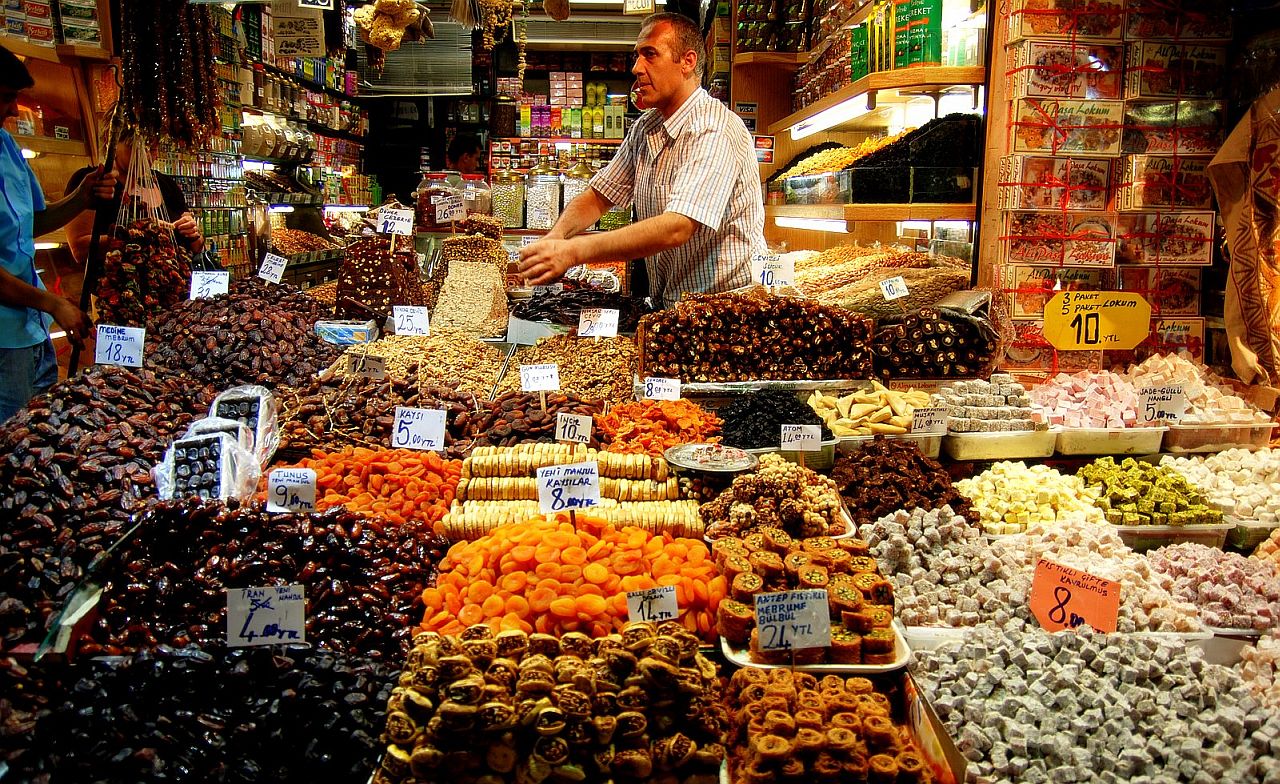
The spice trade refers to the long-distance exchange of aromatic plant products—such as pepper, cinnamon, cloves, nutmeg, ginger and cardamom—valued for flavoring, medicine, preservation and ritual. For millennia these commodities moved between producing regions in South and Southeast Asia, parts of Africa and the islands of the Indian Ocean, and consuming markets in the Mediterranean, the Middle East and later northern Europe. High demand for nonlocal spices, combined with difficult transport, made them expensive and strategically important, encouraging states and merchants to control routes and sources.
Image gallery
10 Images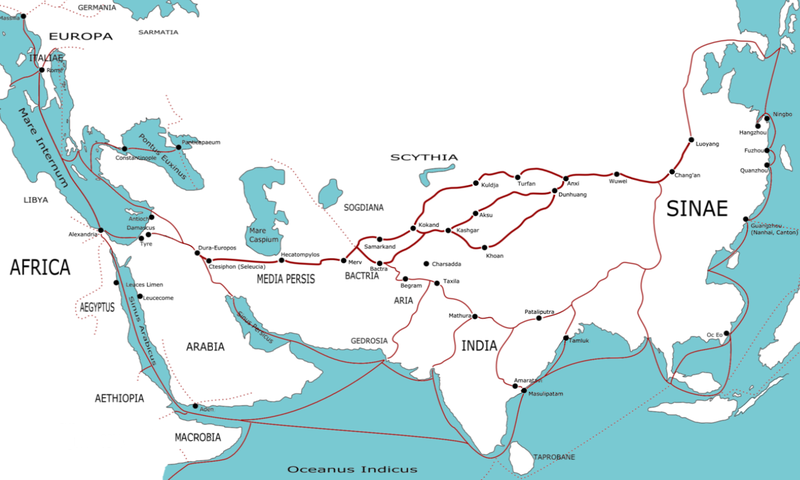



Key routes and commodities
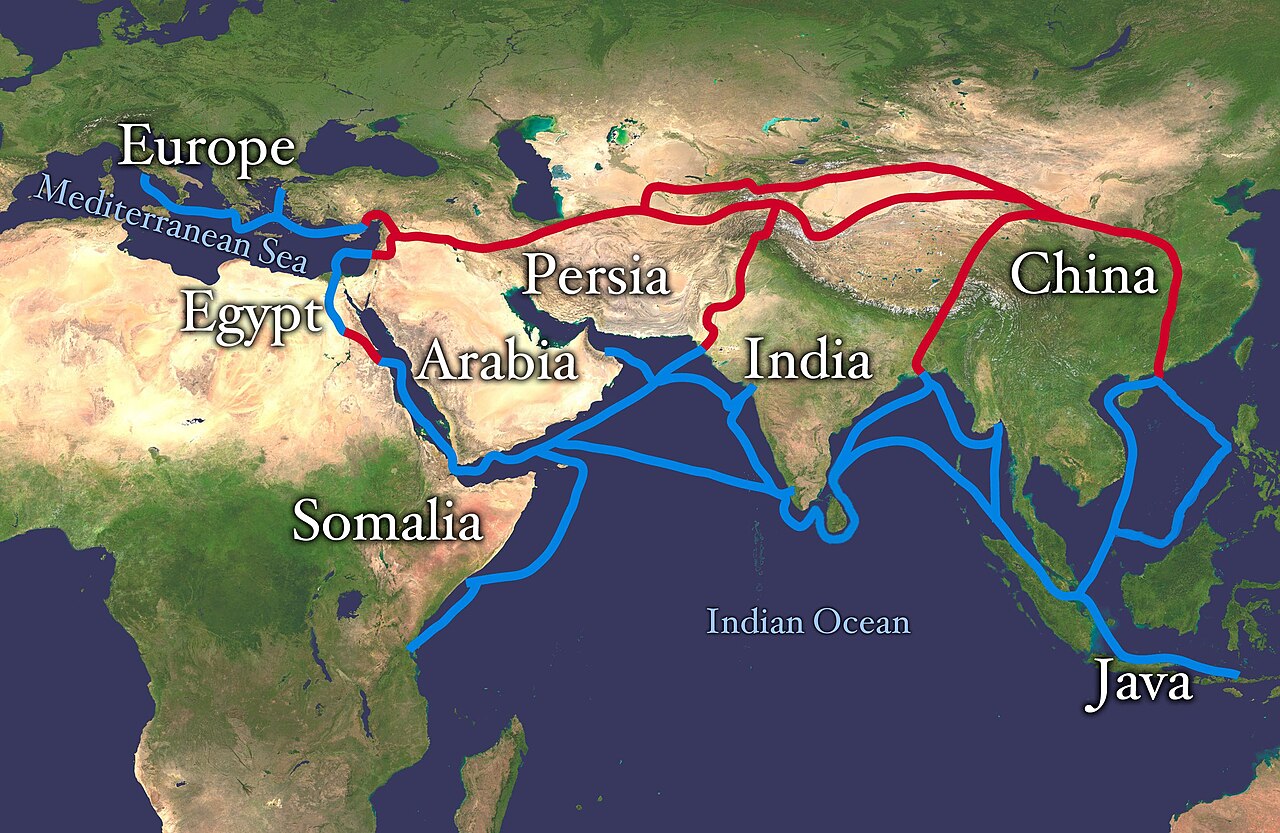
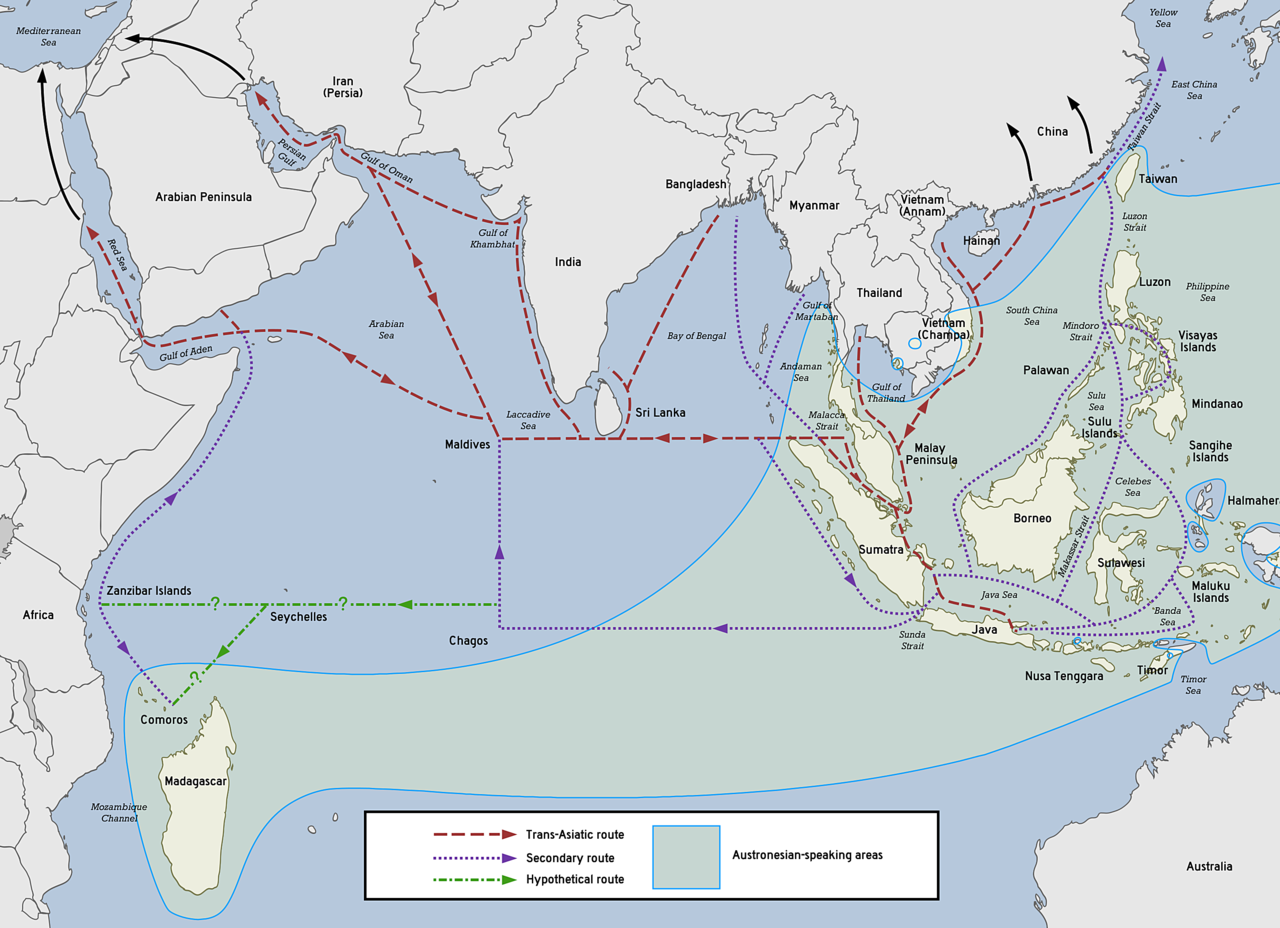
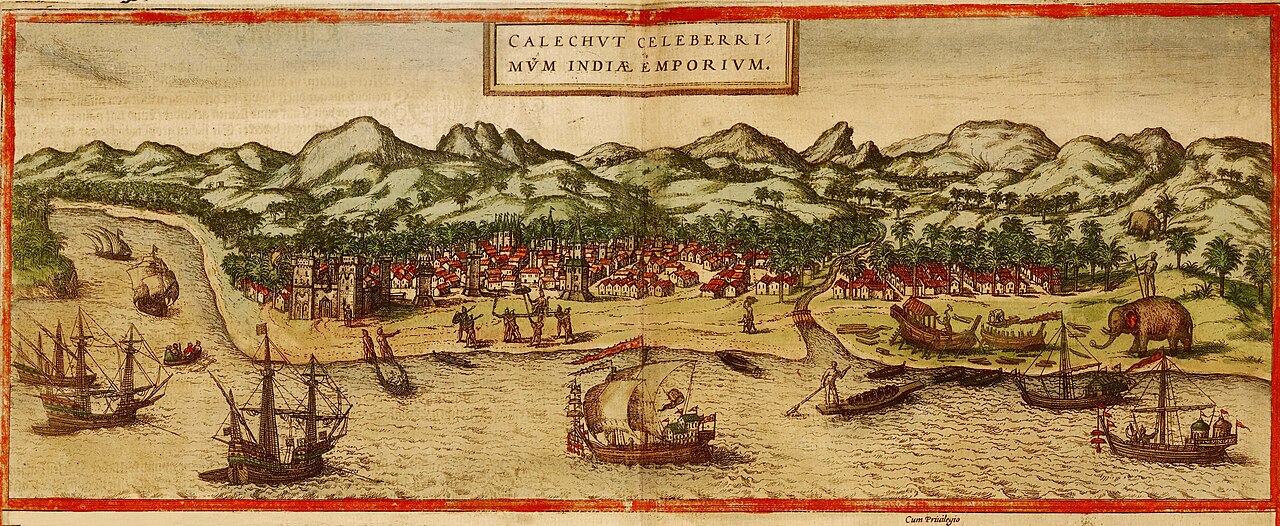
The trade used many overland and maritime corridors. Well-known overland arteries included branches of the Silk Road that connected East Asia with Central Asia and the Middle East, while maritime channels linked ports across the Indian Ocean and along Africa’s east coast. European markets were fed by networks that passed through the Arabian Peninsula and the eastern Mediterranean. Major commodities included:
- Pepper (black peppercorns), originally from the Malabar Coast of India.
- Cinnamon and cassia, native to Sri Lanka and southeast Asian forests.
- Cloves and nutmeg, produced on the Spice Islands (Maluku) in present-day Indonesia.
- Ginger and cardamom, cultivated in South and Southeast Asia.
For maps and route descriptions see Indian Ocean and overland corridors and general summaries at spice trade resources.
Historical development
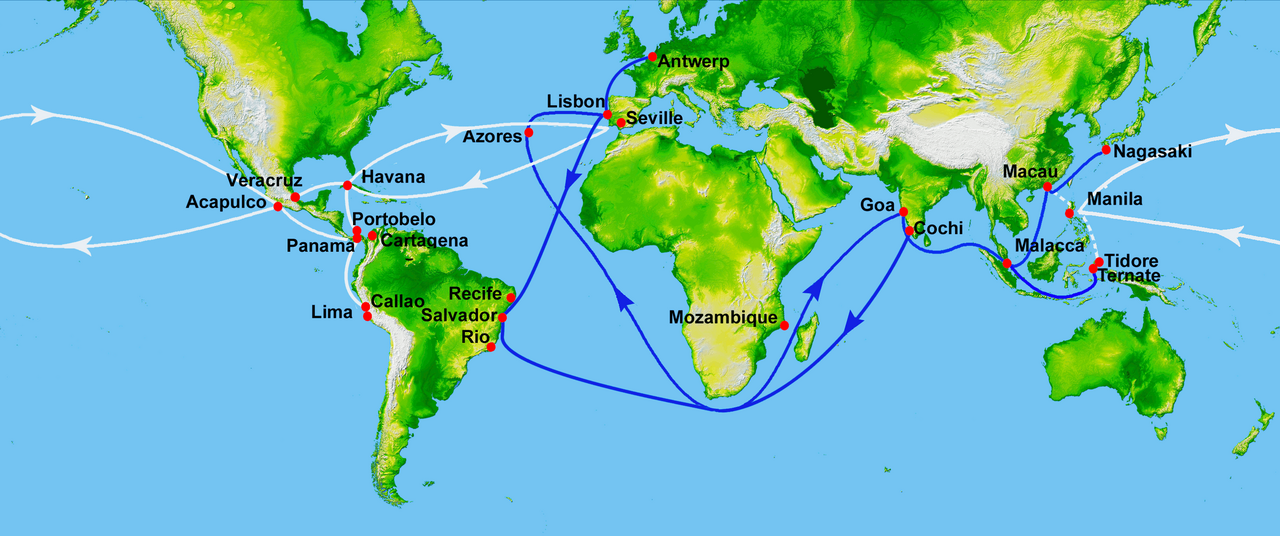
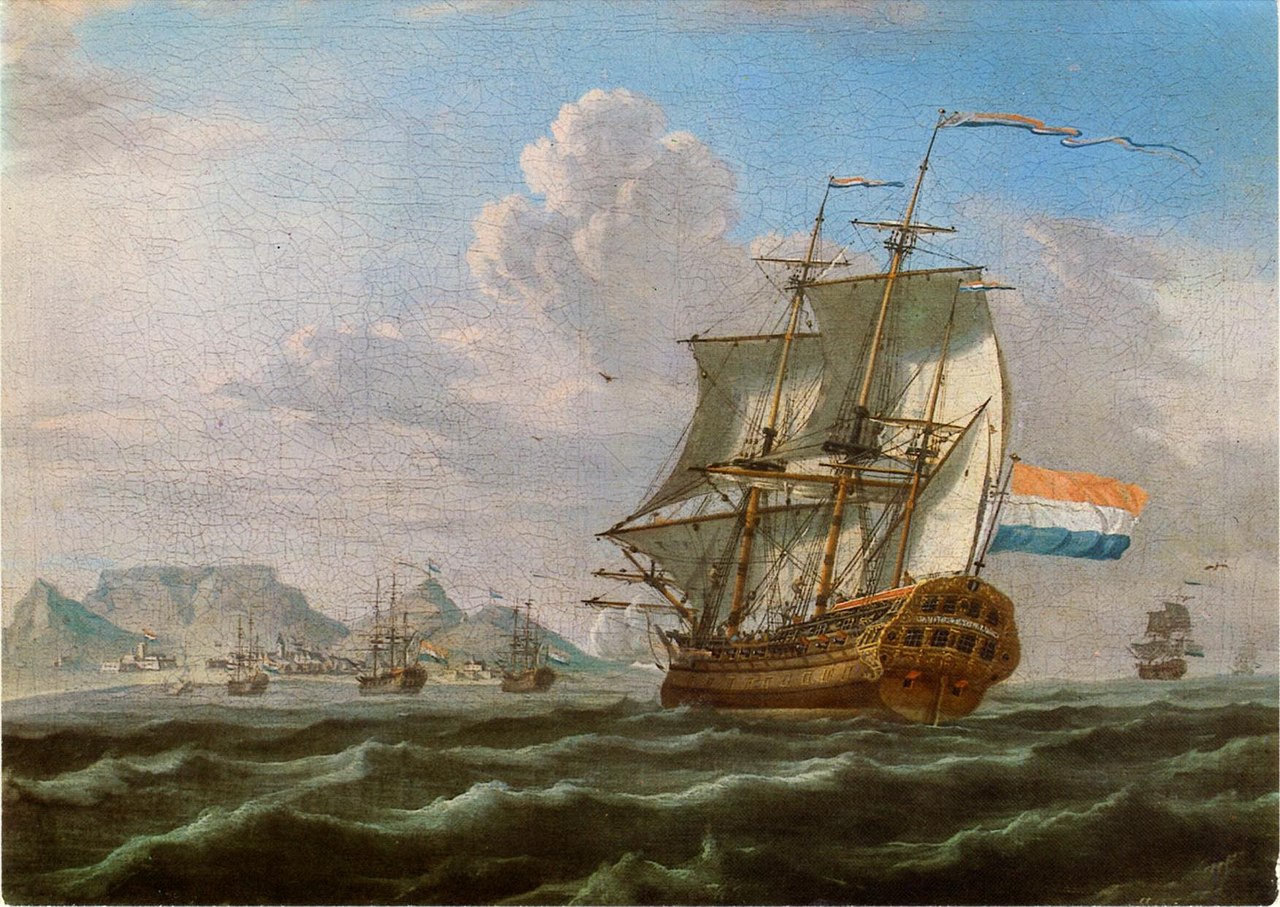
The spice trade is ancient. From the second millennium BCE contacts and intermediaries carried spices westward into Mesopotamia and Egypt. During the classical and medieval eras, Arab, Persian, Indian and later Venetian merchants played central roles as middlemen, organizing caravans and fleets, warehousing, and controlling price through guilds or family networks. In the late 15th and early 16th centuries, European ambitions to bypass intermediaries and secure direct access led to maritime exploration, the Portuguese circumnavigation of Africa, and eventual colonial contests over producing islands and coastal enclaves.
Economic, cultural and technological impact
The spice trade stimulated shipbuilding, navigation, financial instruments, and port infrastructure. It created wealth for merchant classes and states that monopolized access, funded armies, and sometimes provoked conflict. Cultural effects included culinary diffusion—new flavors and preservation techniques—religious and intellectual exchange, and the spread of crops to new environments. The desire for spices contributed to the Age of Discovery and the integration of distant regions into a more connected global economy.
Mechanics, organizations and legacy
Trade was organized through a mix of private merchants, trading companies and state sponsorship. European chartered companies later sought monopolies; Asian and Arab networks often relied on family ties and credit systems. Today, the historical spice trade is remembered for its role in shaping modern globalization, creating diasporic merchant communities, and transforming diets worldwide. For further reading and comparative studies see analyses of trade systems and the resources linked above.
Related articles
Author
AlegsaOnline.com Spice Trade: Routes, History, and Global Impact Leandro Alegsa
URL: https://en.alegsaonline.com/art/92654