
São Paulo (state)
Brazil's most populous and economically dominant state in the Southeast, containing the megacity of São Paulo, extensive industry and agriculture, Atlantic coastline and diverse cultural heritage.
São Paulo (Portuguese: São Paulo, often written Sao Paulo where ã is unavailable) is a state in Brazil's Southeast Region. It is the country's most populous state and its largest contributor to the national economy. The state capital, also named São Paulo, is a major global metropolis and the principal political, cultural and financial centre of the region. For pronunciation notes see pronunciation guide.
Image gallery
10 Images


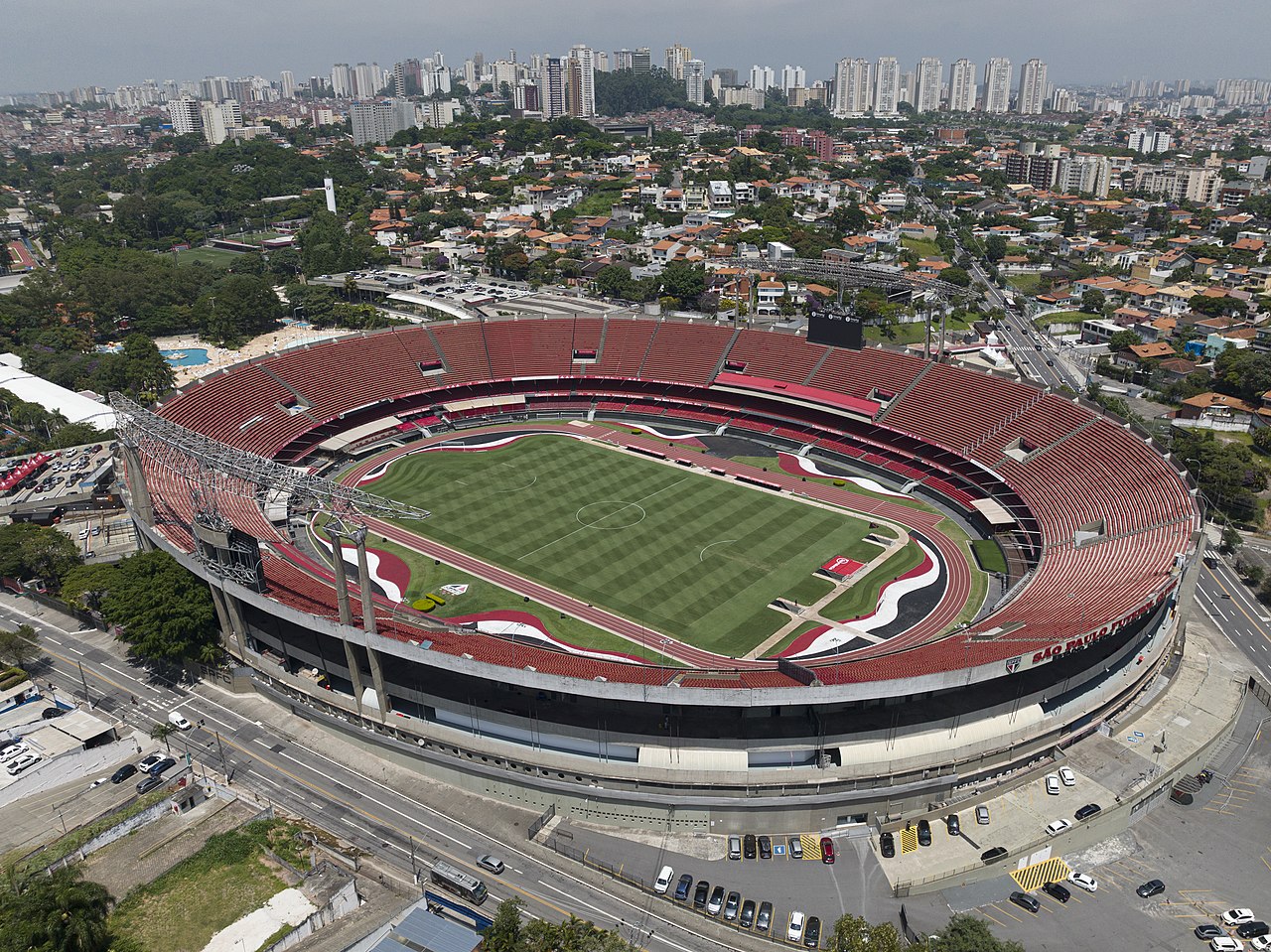
Geography and environment
The state extends from the Atlantic coast inland to an elevated plateau crossed by river valleys and mountain ranges such as the Serra do Mar. Coastal plains host important ports and beaches, while the interior includes fertile plains and areas of cerrado-like vegetation. Remnants of the Atlantic Forest (Mata Atlântica) remain in protected areas, and efforts at conservation and restoration coexist with dense urbanisation and intensive agriculture.
History and settlement
Before European contact the region was home to diverse Indigenous peoples. Portuguese colonisation established coastal settlements in the 16th century; the city of São Paulo grew from a Jesuit mission and later from bandeirante expeditions that explored the interior. The 19th-century coffee boom transformed large areas into plantations, driving infrastructure and urban growth. Industrialisation and immigration from Europe, Asia and the Middle East in the late 19th and early 20th centuries further shaped the state's economy and society.
Administrative structure and major cities
Administratively the state is subdivided into numerous municipalities grouped into meso- and microregions. Major urban centres include:
- São Paulo (capital and largest city)
- Santos (historic port and export gateway)
- Campinas (technology and research hub)
- Ribeirão Preto and other interior cities with agribusiness links
- São Bernardo do Campo and the ABC region (industrial belt)
Economy and transport
São Paulo is a national centre for finance, manufacturing, services, technology and agribusiness. Historically anchored by coffee, the state's economy now includes diverse sectors: automobile and machinery production, chemical and textile industries, information technology and a large service sector. Major transport infrastructure includes an extensive road network, rail freight lines, the Port of Santos on the coast and large international airports that connect the state domestically and abroad. Practical information about ports and transport is available at transport and ports.
Society, culture and education
Ethnically and culturally diverse, São Paulo has large communities of Italian, Portuguese, African, Japanese and other origins; this diversity is reflected in cuisine, festivals and religious life. The state hosts leading universities and research institutions that contribute to Brazil's scientific and cultural output. Museums, theatres and cultural centres in the capital and other cities are important hubs for arts and scholarship. More on the state's administration and institutions can be found at state overview.
Environment and contemporary challenges
Urban growth, industrial activity and intensive agriculture have created environmental pressures including deforestation, water management challenges and air quality concerns in metropolitan areas. Conservation initiatives, protected areas and regional planning seek to balance development with environmental protection. For regional context within Brazil see Southeast Region resources.
For information focused on the capital city, consult resources listed under São Paulo (city). This article summarises broadly known facts about the state while avoiding detailed statistics that change frequently. The name may be rendered without diacritics as Sao Paulo where technical limitations require it.
Questions and answers
Q: What is São Paulo?
A: São Paulo is a state in the Southeast Region of Brazil.
Q: What is the capital city of São Paulo?
A: The capital city of São Paulo is also called São Paulo.
Q: What does the name São Paulo mean in Portuguese?
A: São Paulo means Saint Paul in Portuguese.
Q: Why may the name São Paulo be written as Sao Paulo?
A: The character ã may be unavailable or not wanted, which is why the name may be written as Sao Paulo.
Q: In which region of Brazil is São Paulo located?
A: São Paulo is located in the Southeast Region of Brazil.
Q: What is the significance of the name São Paulo?
A: The name São Paulo means Saint Paul and is of religious significance.
Q: Is there any other information provided in the text about São Paulo?
A: Yes, the text mentions that the title of the article contains the character ã, which may be written as Sao Paulo if it is unavailable or not wanted.
Related articles
Author
AlegsaOnline.com São Paulo (state) Leandro Alegsa
URL: https://en.alegsaonline.com/art/87244
Sources
- ibge.gov.br : Censo 2010: população do Brasil é de 190.732.694 pessoas