
Paraguay: geography, history, society and culture
Concise encyclopedia entry on Paraguay covering geography, history, languages, society, economy, environment and notable facts, with pointers to further sources.
Overview
Paraguay, officially the Republic of Paraguay, is a landlocked country in South America. Located roughly in the centre of the continent, it occupies a strategic position between larger neighbours and is characterized by the division of its territory by the Paraguay River into eastern and western regions. The capital and largest city is Asunción, an early colonial foundation that remains the nation's political, cultural and commercial hub (founding, founder). Paraguay's modern identity reflects a blend of indigenous Guaraní and European influences expressed in language, customs and social life.
Image gallery
10 Images




Geography and climate
Paraguay is bounded by Brazil to the north and east, Bolivia to the northwest and Argentina to the south and southwest. The country's two major physical regions are separated by the Paraguay River: the eastern region is relatively humid and forested with rolling hills and fertile soils, while the western Gran Chaco is a hot, seasonally dry plain with scrub and thorn forests. Climatic zones range from humid subtropical in the east to semi-arid in large parts of the Chaco, producing marked differences in land use, settlement density and biodiversity. Rivers such as the Paraguay and Paraná are crucial for inland transport and hydroelectric potential.
Population, languages and society
Paraguay has a predominantly mestizo population, with cultural patterns shaped by both indigenous Guaraní heritage and Spanish colonial influence. Spanish (Español) and Guaraní are official languages; Guaraní is widely spoken across social groups and figures prominently in daily life, media and national symbolism. Estimates place the population in the low millions, with a large share living in and around the capital region. Social indicators show persistent challenges: poverty and inequality affect many households, and rural areas often have limited access to services. Ethnic composition includes a majority of people of mixed indigenous and European descent (Mestizo), smaller proportions identifying with European ancestry, indigenous groups, and communities of Asian descent.
History and political development
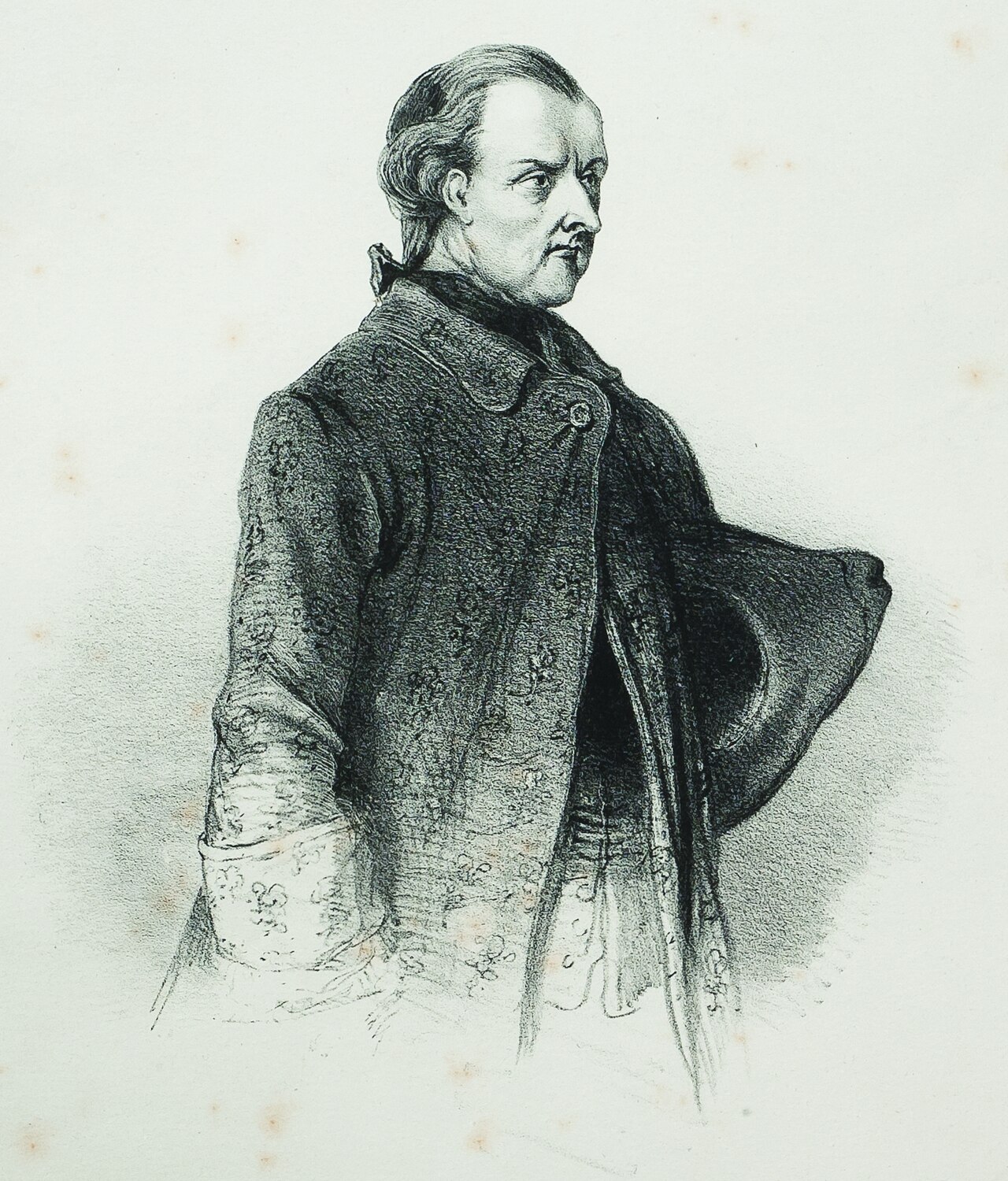
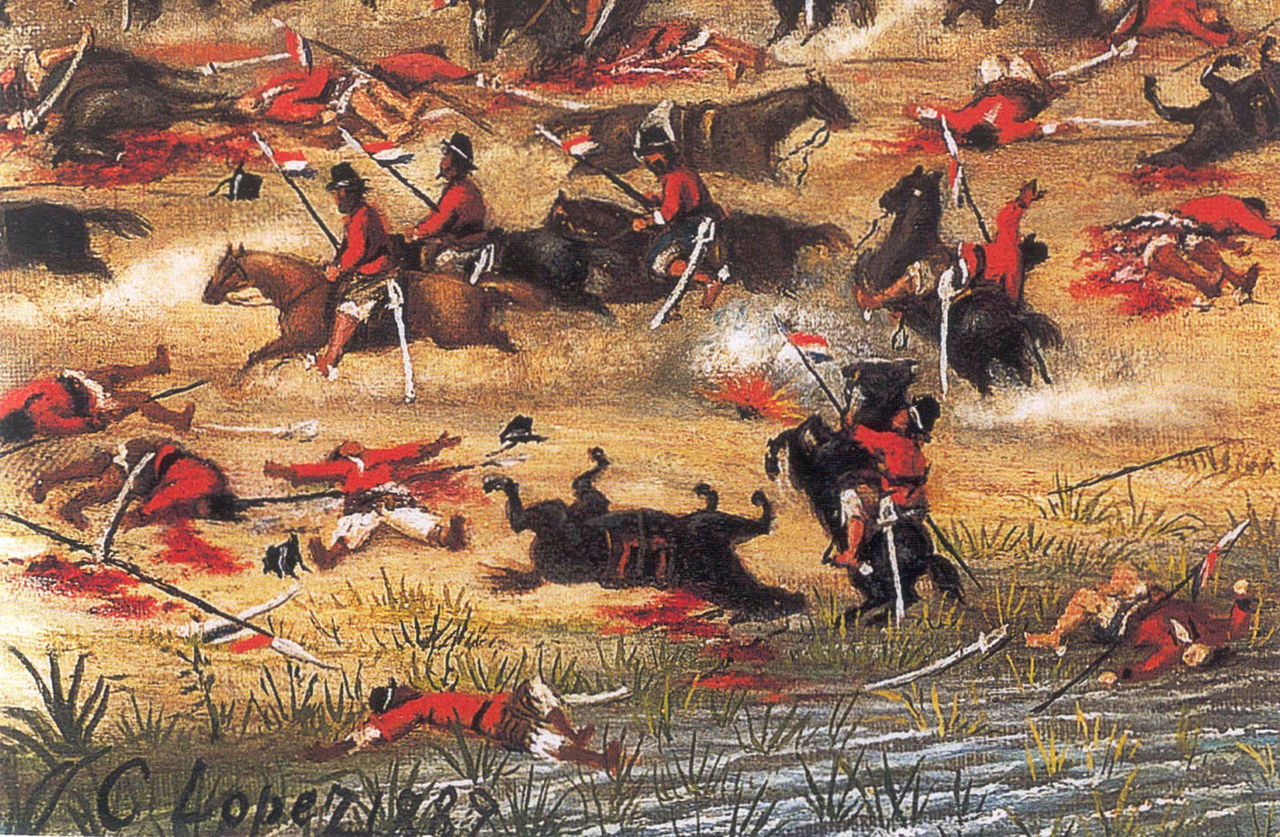
The territory of present-day Paraguay was colonized by Spain during the 16th century; Asunción was established in 1537 by Spanish explorers (founding, Juan de Salazar) and the area formed part of the Spanish colonial administration (colonial era). Paraguay declared independence from Spain in 1811 (independence) and experienced a turbulent nineteenth century. The War of the Triple Alliance (1864–1870) with Brazil, Argentina and Uruguay was catastrophic for Paraguay in human and territorial terms, and the conflict reshaped regional politics (start – end). In the 1930s Paraguay fought the Chaco War against Bolivia, a dispute largely over territory in the Chaco region. The twentieth century saw periods of authoritarian rule and eventual transitions to democratic government; these episodes have influenced land distribution, institutional development and the role of the military in politics.
Economy and land use
Paraguay's economy combines agriculture, energy production, manufacturing and services. The country is an important regional producer of commodities such as soybeans and beef; smallholder agriculture also supports many rural households. Paraguay is notable for its hydroelectric generation, with large dams on the Paraná River producing a substantial share of electricity and enabling exports of power. Informal employment, remittances and a reliance on commodity markets contribute to economic volatility, while inequality and infrastructure needs remain central policy concerns.
Culture, religion and traditions
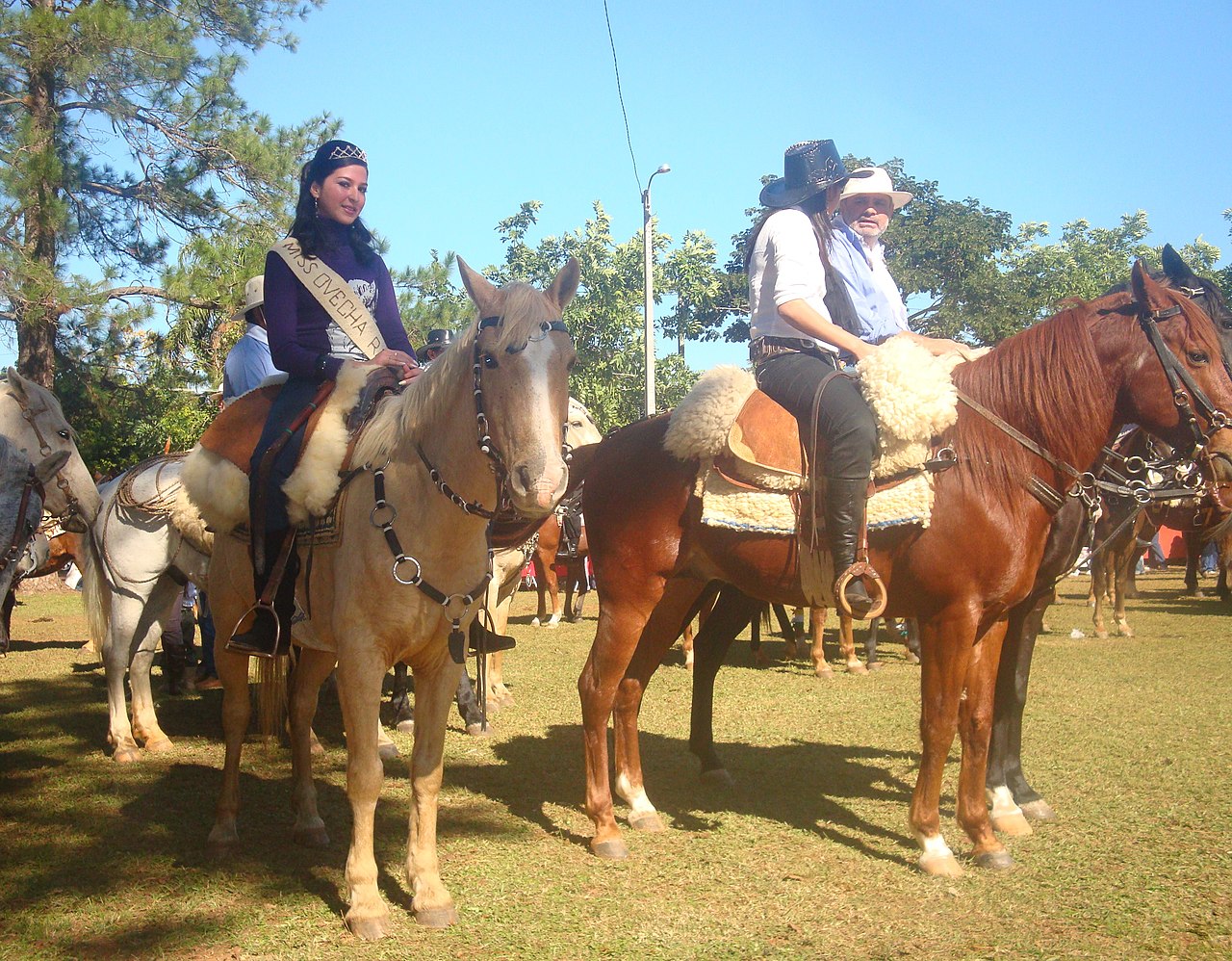
Paraguayan culture blends indigenous and European elements. Guaraní language and cultural forms are widely practiced: music (notably harp traditions), crafts, and communal customs remain important. Culinary traditions include dishes such as sopa paraguaya and drinks like tereré, which are social staples. Roman Catholicism is the dominant religion, shaping festivals and public holidays, though Protestant and indigenous spiritual practices are also present. Paraguay celebrates a range of civic and cultural commemorations tied to its independence and historical memory.
Government, administration and international relations
The Republic of Paraguay is a presidential representative democratic republic with an executive president, a bicameral legislature and a judiciary. Administratively, the country is divided into departments and a capital district. Paraguay maintains diplomatic and economic relations across the region and participates in regional bodies; its landlocked position makes river transport and neighbours' ports important to trade.
Environment and challenges
Environmental issues include deforestation in the eastern forests, agricultural expansion, desertification risks in parts of the Chaco, and conservation of freshwater ecosystems. Climate variability affects agricultural yields and hydropower planning. Policy responses focus on sustainable land use, protected areas and balancing economic development with environmental conservation.
Quick facts
- Official name: Republic of Paraguay; official languages: Spanish and Guaraní.
- Region: South America; neighbours: Brazil, Bolivia, Argentina.
- Capital: Asunción (founded 1537 by Juan de Salazar).
- Historic conflicts: War of the Triple Alliance (1865 – 1870) against Brazil, Argentina and Uruguay; Chaco War with Bolivia in the 1930s.
- Colonial background: former Spanish colony (colonial period); independence in 1811.
- Demography: majority mestizo (Mestizo), with indigenous and small European and Asian communities.
For further introductory sources and overviews, consult regional encyclopedias and country profiles provided by international organizations and libraries (language and culture, geographic context). These resources describe Paraguay's evolving role in South American politics, its bilingual heritage and the economic and environmental challenges it faces as a landlocked nation.
Questions and answers
Q: What is the official name of Paraguay?
A: The official name of Paraguay is the Republic of Paraguay (Spanish: República del Paraguay).
Q: What countries does Paraguay border?
A: Paraguay is bordered to the North and East by Brazil, the West by Bolivia, and the South and Southeast by Argentina.
Q: What are the main languages spoken in Paraguay?
A: The main languages spoken in Paraguay are Spanish and Guaraní.
Q: How many people live in Paraguay?
A: Approximately 6 million people live in Paraguay.
Q: What is the ethnic makeup of the population of Paraguay?
A: The ethnic makeup of the population of Paraguay is Mestizo (mixed European and Amerindian) 80%, European 20%, unmixed Amerindian 1-3%, Asian 1-4%.
Q: What percentage of people live below poverty line in Paraguay?
A: Over 20% of people in Paraguay live below poverty line.
Q: When did Juan de Salazar found Asuncion, which is now capital city of paraguayan republic ?
A: Juan de Salazar founded Asuncion, which is now capital city of paraguayan republic ,in 1537.
Related articles
Author
AlegsaOnline.com Paraguay: geography, history, society and culture Leandro Alegsa
URL: https://en.alegsaonline.com/art/74523
Sources
- cia.gov : "Paraguay"
- esa.un.org : "World Population Prospects: The 2017 Revision"
- imf.org : Paraguay
- data.worldbank.org : "Gini Index"
- hdr.undp.org : "2016 Human Development Report"
- servat.unibe.ch : "Paraguay – Constitution, Article 140 About Languages"
- servat.unibe.ch : translator's note
- convergencia.uaemex.mx : "8 LIZCANO" · web.archive.org