
Southern Nations, Nationalities, and People's Region (SNNPR)
A comprehensive overview of Ethiopia's Southern Nations, Nationalities, and People's Region (SNNPR): geography, peoples, history, economy, administration and cultural significance.
Overview
The Southern Nations, Nationalities, and People's Region, commonly abbreviated SNNPR, is a diverse federal region of Ethiopia. Its administrative seat is the lakeside city of Awasa (Hawassa), which functions as the region's political and commercial center. The region's name emphasizes its multiethnic character and reflects Ethiopia's federal structure, which recognizes group identity in subnational administration. For general references see Southern Nations, Nationalities, and People's Region.
Image gallery
7 Images



Geography and population
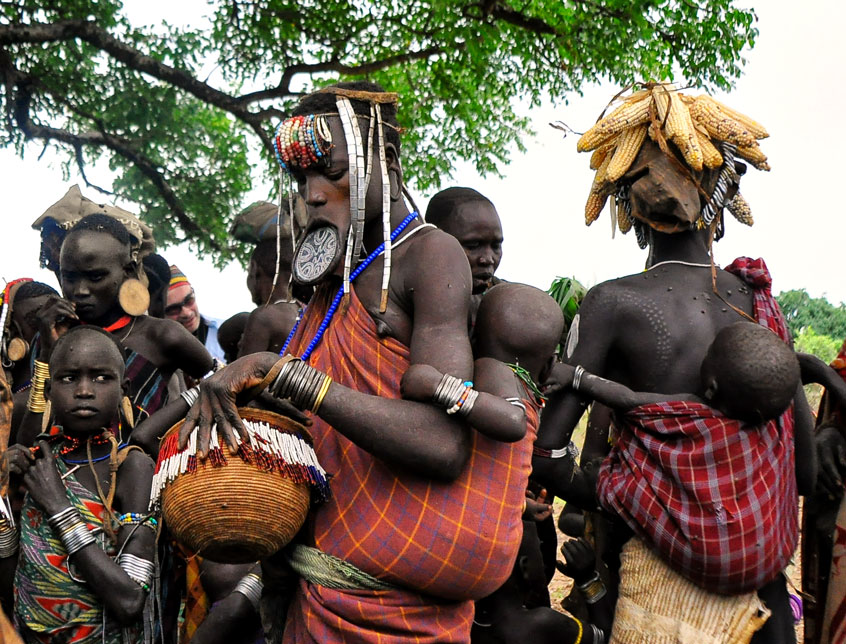
SNNPR lies in the southern and southwestern part of the country, spanning highlands and Rift Valley lowlands. The landscape includes lakes, rivers and agricultural plains. The population is unusually heterogeneous: dozens of ethnic communities live in the region and speak a wide variety of languages from different families, including Cushitic, Omotic, Semitic and Nilo‑Saharan groups. This linguistic and cultural variety shapes local identities, customary institutions and patterns of land use.
History and administration
The region was formed under Ethiopia's 1995 constitution as one of several ethnically based federal states. It has been reorganized over time: some zones and groups have sought greater autonomy, and a number of administrative boundaries have changed following local referendums. The region's internal structure traditionally includes zones, special woredas and woredas (districts), each intended to give representation to local nationalities.
Economy and cultural life
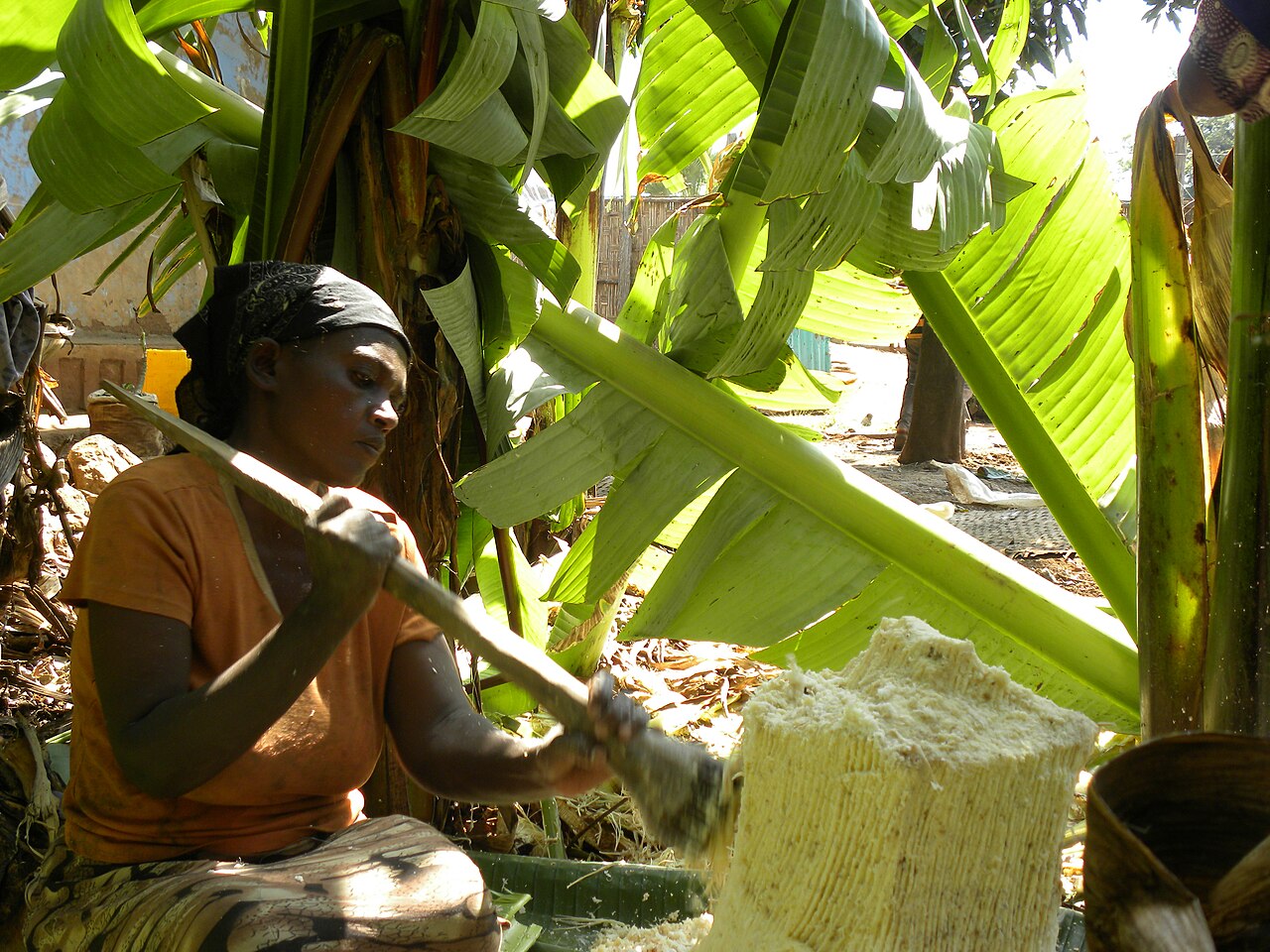
Agriculture is the backbone of the regional economy. Farmers cultivate staples such as maize and root crops, and produce cash crops including coffee in upland areas. Enset (a starchy false banana) provides a staple food in many communities. Livestock raising and small‑scale trade around market towns are widespread. Cultural life is rich: music, dance, craftwork and seasonal festivals attract visitors interested in cultural tourism and ethnography.
Notable facts and contemporary issues
- Ethnic diversity: the region's formal name highlights its purpose as a federal home for many peoples.
- Administrative change: parts of the region have become separate regions after local votes in recent years; such changes illustrate Ethiopia's evolving federal arrangements.
- Capital city: Awasa (Hawassa) serves as an important transport, education and service hub on the Rift Valley lakeshore.
The Southern Nations, Nationalities, and People's Region remains important for Ethiopia's agricultural production, cultural diversity and as a case study in managing ethnic federalism. Efforts to balance local autonomy, development needs and intergroup cooperation continue to shape its politics and society.
Related articles
Author
AlegsaOnline.com Southern Nations, Nationalities, and People's Region (SNNPR) Leandro Alegsa
URL: https://en.alegsaonline.com/art/92304
Sources
- csa.gov.et : Population Projection of Ethiopia for All Regions At Wereda Level from 2014 – 2017
- tools.wmflabs.org : 6°03′31″N 36°43′38″E / 6.05862°N 36.7273°E / 6.05862; 36.7273