
Southern Ontario: geography, population, cities and economy
Southern Ontario is the densely settled, mostly southern region of the province of Ontario. This article outlines its landscape, climate, history, economy, major cities and distinguishing features.
Overview
Southern Ontario refers to the part of the Canadian province of Ontario that lies south of the heavily forested Canadian Shield and areas such as Algonquin Park. It contains the southernmost land in Canada, has the country's largest share of population and serves as the province's economic and cultural core. The region is often contrasted with Northern Ontario, which is more remote and less densely populated; for administrative or descriptive purposes the term "Southern Ontario" may be used with slightly different boundaries in different contexts (see provincial definitions).
Image gallery
7 Images


Geography and climate
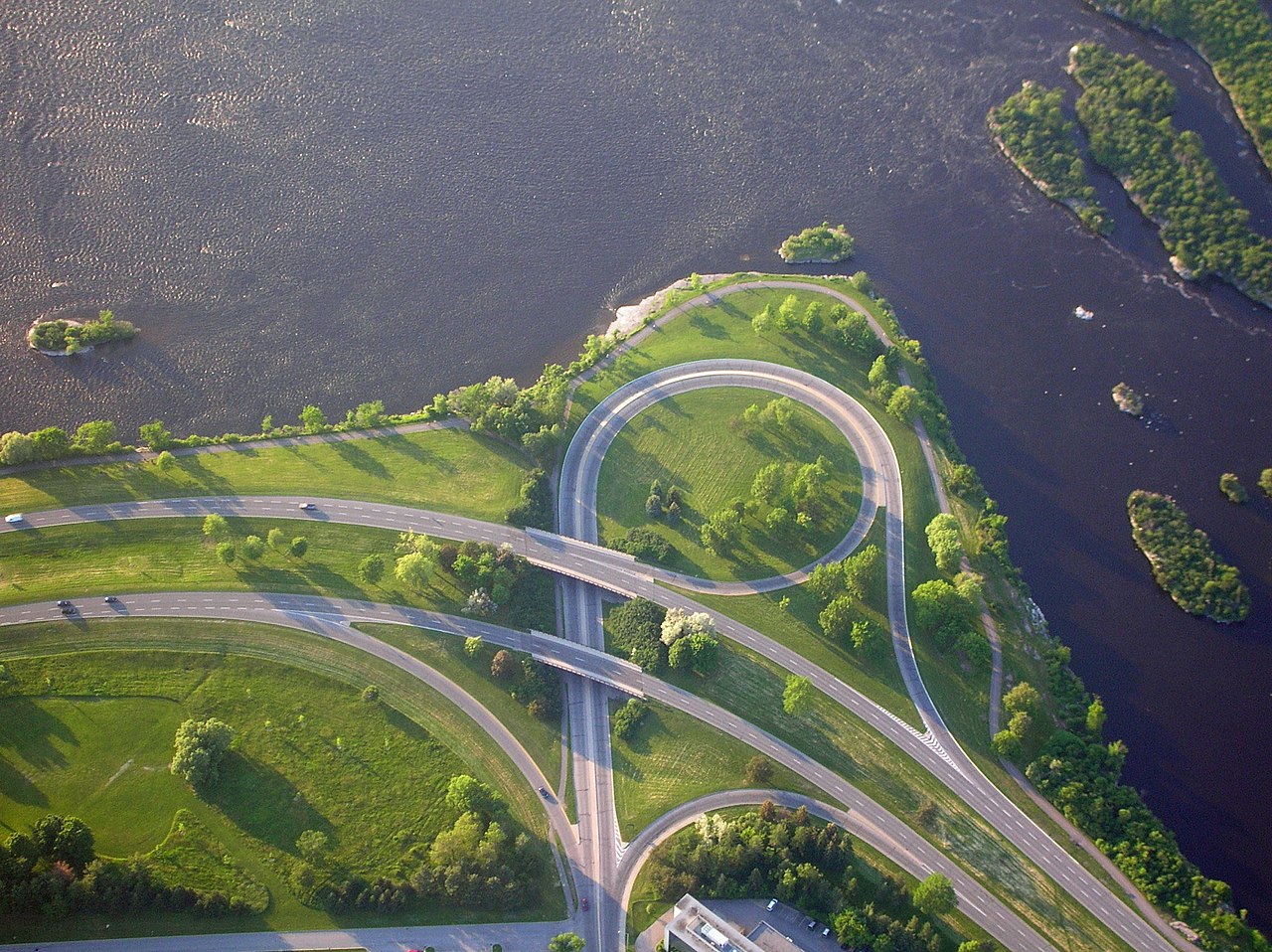
Geographically the area includes parts of the Great Lakes basin, fertile river valleys and a mix of farmland, urban areas and remnants of mixed forest. The proximity to the Great Lakes moderates temperatures compared with inland areas, producing a humid continental climate with warm summers and cold winters. Key natural features include lake shorelines, the Niagara Escarpment and rich agricultural lands in regions such as the Niagara Peninsula and southwestern Ontario.
History and development
Indigenous peoples lived across the region for millennia before European settlement. From the 18th and 19th centuries onward, waves of settlers, Loyalists, and later industrial development shaped many cities and towns. Canals, railways and highways were built to connect Great Lakes ports and inland manufacturing centres, helping Southern Ontario to grow into a manufacturing and service hub by the 20th century.
Population, economy and importance
More than 12 million residents live in Southern Ontario, making it the most populous part of Canada. The economy is diverse: finance and corporate headquarters, manufacturing, agriculture, education and technology all play important roles. Major research universities, hospitals and cultural institutions are concentrated here, and the region handles a large share of the country's trade through its border crossings and lake ports.
Major cities and urban areas
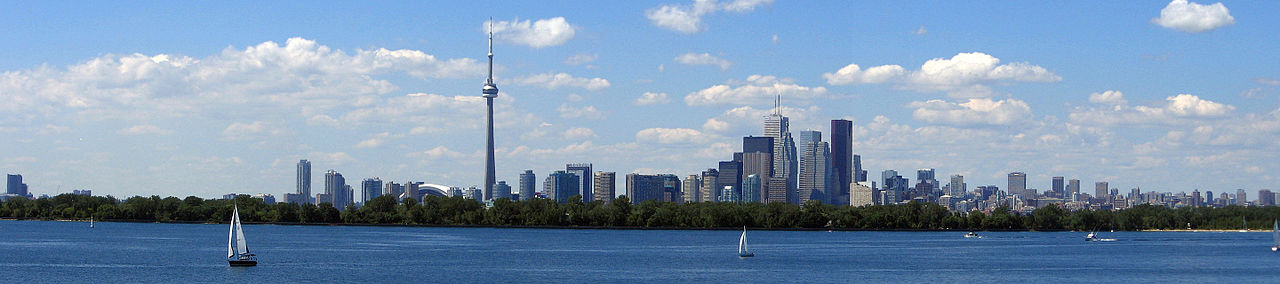
- Toronto — the provincial capital and largest city in the region.
- Ottawa — the national capital, located at the eastern edge of Southern Ontario/Ottawa Valley.
- Hamilton — an industrial and port city on Lake Ontario.
- Kingston — historic city at the head of the St. Lawrence River.
- Kitchener and Waterloo — a technology and manufacturing cluster.
- London — regional services and education centre.
- St. Catharines–Niagara — a wine-producing and tourism area near Niagara Falls.
- Windsor — a border city across from Detroit with strong automotive ties.
Transportation, environment and notable facts
Southern Ontario is served by an extensive network of highways, rail lines, international airports and Great Lakes shipping routes that support both domestic and cross-border trade. Urban growth and agricultural use create ongoing pressures on ecosystems and water resources, leading to regional planning and conservation initiatives. The region’s dense population, varied economy and cultural institutions make it central to Canada’s national life.
Related articles
Author
AlegsaOnline.com Southern Ontario: geography, population, cities and economy Leandro Alegsa
URL: https://en.alegsaonline.com/art/92307