
Urbanization: processes, types, history, impacts and planning
Overview of urbanization—how rural areas become urban, physical and functional types, historical drivers, social and environmental impacts, and planning responses to manage city growth sustainably.
Overview
Urbanization describes the shift in where and how people live, work and organize space as settlements change from rural to urban forms. The term derives from the Latin urbs, meaning city, and is widely used in geography and related fields to discuss changes in population distribution, land use and livelihoods. Urbanization is both a demographic process (more people living in towns and cities) and a socio-economic transformation that alters everyday life, markets and institutions.
Image gallery
10 Images






Characteristics and types
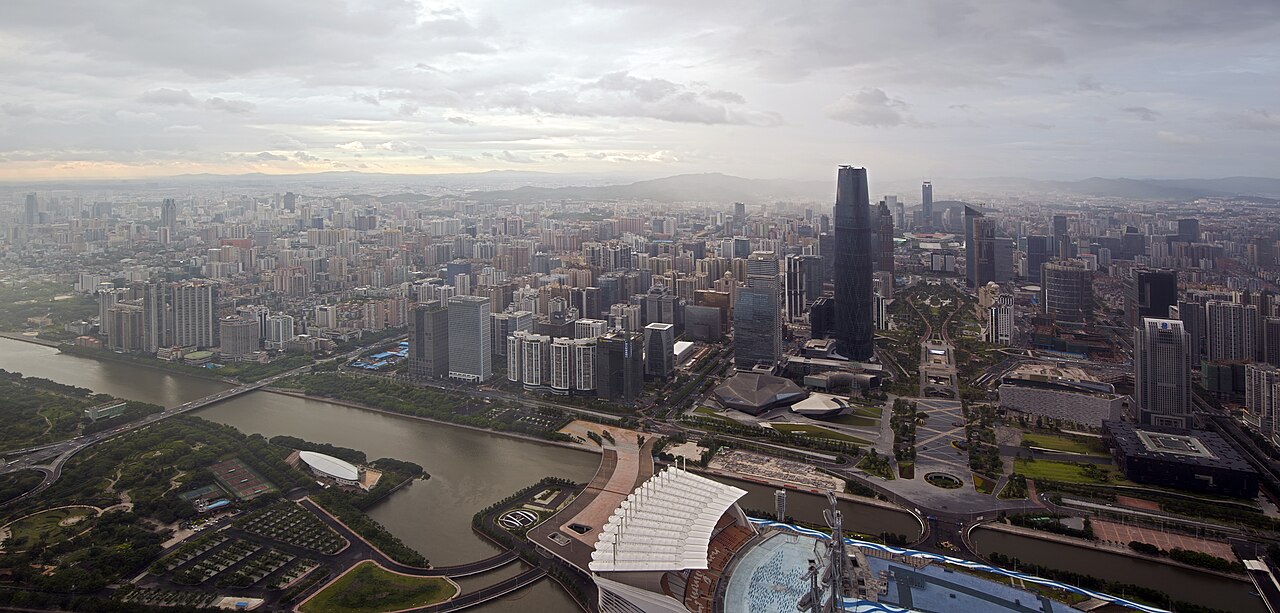
Urbanization takes multiple forms. A common distinction is between physical urbanization — the expansion of built-up areas and infrastructure — and functional urbanization — changes in behavior, economic activity and social organization that make an area act like a city even if its landscape has not fully densified. Suburbanization, peri-urban growth and urban sprawl are variants of physical expansion, while commuter patterns, service-oriented economies and altered land tenure often signal functional change.
- Core elements: population concentration, diverse economic functions, transport networks, and public services.
- Spatial zones: central business districts, residential neighborhoods, suburbs, industrial zones, and peri-urban margins.
- Processes: migration, natural increase, rural restructuring, and administrative reclassification.
Historical development
Urbanization has deep roots in human history, beginning with ancient cities as centers of trade, religion and governance. Its pace accelerated with agricultural surpluses, long-distance trade and later industrialization, which concentrated labor and capital in towns. In recent centuries, waves of industrial and post-industrial change reshaped where people live: manufacturing-led growth generated rapid city expansion in some regions, while later service-based economies and improved transport encouraged new patterns of suburban and metropolitan development.
Impacts and challenges
Urbanization brings opportunities and pressures. Cities can concentrate resources that foster economic productivity, innovation and cultural life, and they often provide better access to services such as education and healthcare. At the same time, rapid or poorly managed urban growth can produce housing shortages, traffic congestion, pollution, loss of agricultural land, and the emergence of informal settlements with insecure tenure. Social inequalities between and within urban areas are a common concern, as are public health risks and increased exposure to environmental hazards.
Planning, governance and policy responses
Managing urbanization involves planning instruments and policy choices: land-use planning, affordable housing programs, public transit investment, environmental regulation, and infrastructure provision. Approaches such as compact city strategies, transit-oriented development, and green infrastructure aim to reduce sprawl, lower emissions and improve livability. Governance across municipal, regional and national levels is critical because metropolitan problems—commuting, water supply, waste management—often cross administrative boundaries.
Notable distinctions and examples
Urbanization differs by context. In some developed countries functional urbanization alters rural lifestyles without dramatic new building; in many developing regions physical expansion and rural-to-urban migration remain dominant. The term 'megacity' describes very large urban agglomerations, while 'urbanization rate' refers to the proportion of people living in urban areas. Understanding local patterns—whether densification, sprawl, or suburbanization—is important for targeted policy. Thoughtful planning can help cities retain their economic advantages while addressing social equity and environmental sustainability.
Related articles
Author
AlegsaOnline.com Urbanization: processes, types, history, impacts and planning Leandro Alegsa
URL: https://en.alegsaonline.com/art/103570
Sources
- esa.un.org : "United Nations, Department of Economic and Social Affairs, Population Division (2014). World Urbanization Prospects: The 2014 Revision, CD-ROM Edition"
- esa.un.org : "United Nations, Department of Economic and Social Affairs"
- gtresearchnews.gatech.edu : "Heating Up: Study Shows Rapid Urbanization in China Warming the Regional Climate Faster than Other Urban Areas"
- web.me.com : "Whole Earth Discipline - annotated extract"