
Bolivia: the Plurinational State of the Andean–Amazon region
Bolivia is a landlocked country in South America with diverse geography from Andean highlands to Amazon lowlands, a plurinational constitution, multiple official languages, and an economy rooted in mining and agriculture.

Bolivia, officially the Plurinational State of Bolivia, is a landlocked country in South America. It has an estimated population of about 11.5 million people (population) and a diverse demographic mix that includes many indigenous nations. The presidency changed in late 2020 when Luis Alberto Arce Catacora took office following elections in November 2020. The country’s modern name honors the independence leader Simón Bolívar.
Image gallery
10 Images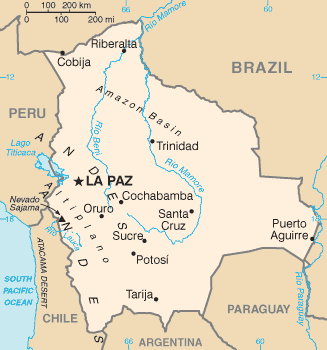


Geography and borders
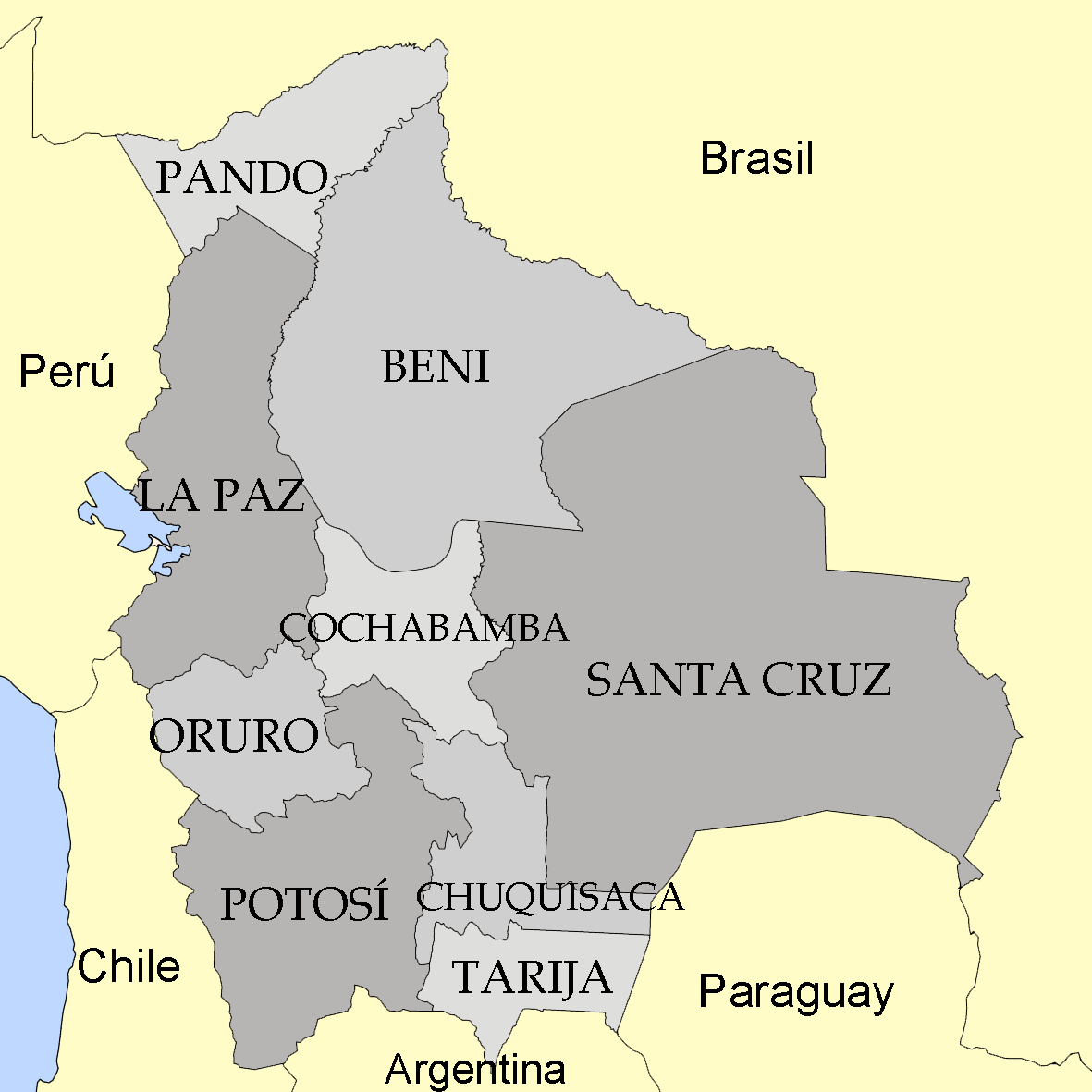
Bolivia occupies a central position in the continent and is bordered by five countries: Brazil, Paraguay, Argentina, Peru and Chile. Its landscape ranges from the high, arid Altiplano of the Andes to humid Amazonian lowlands. Two cities serve distinct roles: Sucre is the constitutional capital and seat of the judiciary, while La Paz functions as the seat of government and administrative capital.
History and political identity
Bolivia declared independence in the early 19th century and its political identity has been shaped by indigenous movements, resource conflicts and regional politics. The 2009 constitution redefined the country as a plurinational state, recognizing the rights and autonomy of multiple indigenous nations and expanding official recognition of their languages and institutions.
Language, society and government
Spanish is widely spoken, but Bolivia officially recognizes numerous indigenous languages such as Quechua and Aymara alongside many smaller tongues. The government is a unitary republic with a president and a multi-party legislature; recent decades have seen heightened attention to indigenous representation and social inclusion policies.
Economy, environment and notable sites
Bolivia’s economy combines mining (historically silver and tin, and more recently interest in lithium), agriculture, and services. It is known for distinctive landscapes that attract researchers and tourists: the high-altitude Salar de Uyuni salt flats, the high Andean plateau, and part of the Amazon basin. Lake Titicaca, shared with Peru, is a major cultural and ecological landmark.
Culture and tourism
Bolivian culture blends indigenous traditions, Spanish colonial heritage, and contemporary expressions in music, textiles and festivals. Popular attractions include colonial architecture in Sucre and Potosí, indigenous markets and folkloric events, as well as ecotourism in cloud forests and protected areas. Practical travel information and official resources can be found through government and tourism portals (Argentina border reference) or regional guides (neighboring countries).
- Capital cities: Sucre (constitutional), La Paz (administrative)
- Major natural features: Salar de Uyuni, Lake Titicaca, Amazon lowlands
- Languages: Spanish, Quechua, Aymara and others
Questions and answers
Q: What is Bolivia?
A: Bolivia is a country in South America.
Q: Which countries are Bolivia landlocked by?
A: Bolivia is landlocked by Brazil, Paraguay, Argentina, Peru, and Chile.
Q: Who is the current president of Bolivia?
A: Luis Alberto Arce Catacora became the president of Bolivia in November 2020.
Q: What is the population of Bolivia?
A: The population of Bolivia is 11.51 million (2019).
Q: Who is Bolivia named after?
A: Bolivia is named after Simón Bolívar.
Q: What are the main languages spoken in Bolivia?
A: The main languages spoken in Bolivia are Spanish and Quechua, but there are other languages too.
Q: Is Bolivia a coastal country?
A: No, Bolivia is not a coastal country.
Related articles
Author
AlegsaOnline.com Bolivia: the Plurinational State of the Andean–Amazon region Leandro Alegsa
URL: https://en.alegsaonline.com/art/12775
Sources
- bcb.gov.bo : "Moneda de 10 Centavos"
- bolivia.justia.com : Political Constitution of the State – Article 5
- cia.gov : "South America :: Bolivia" · web.archive.org
- imf.org : "Report for Selected Countries and Subjects"
- data.worldbank.org : "Gini index"
- hdr.undp.org : "2016 Human Development Report"
- cia.gov : The World Factbook
- cia.gov : World Factbook
- ine.gov.bo : ine.gov.bo