
Slavs: peoples, languages, and historical overview
Overview of the Slavic peoples: classification, languages, distribution, history, cultural features and relations with neighboring groups across Europe and Asia.
Overview
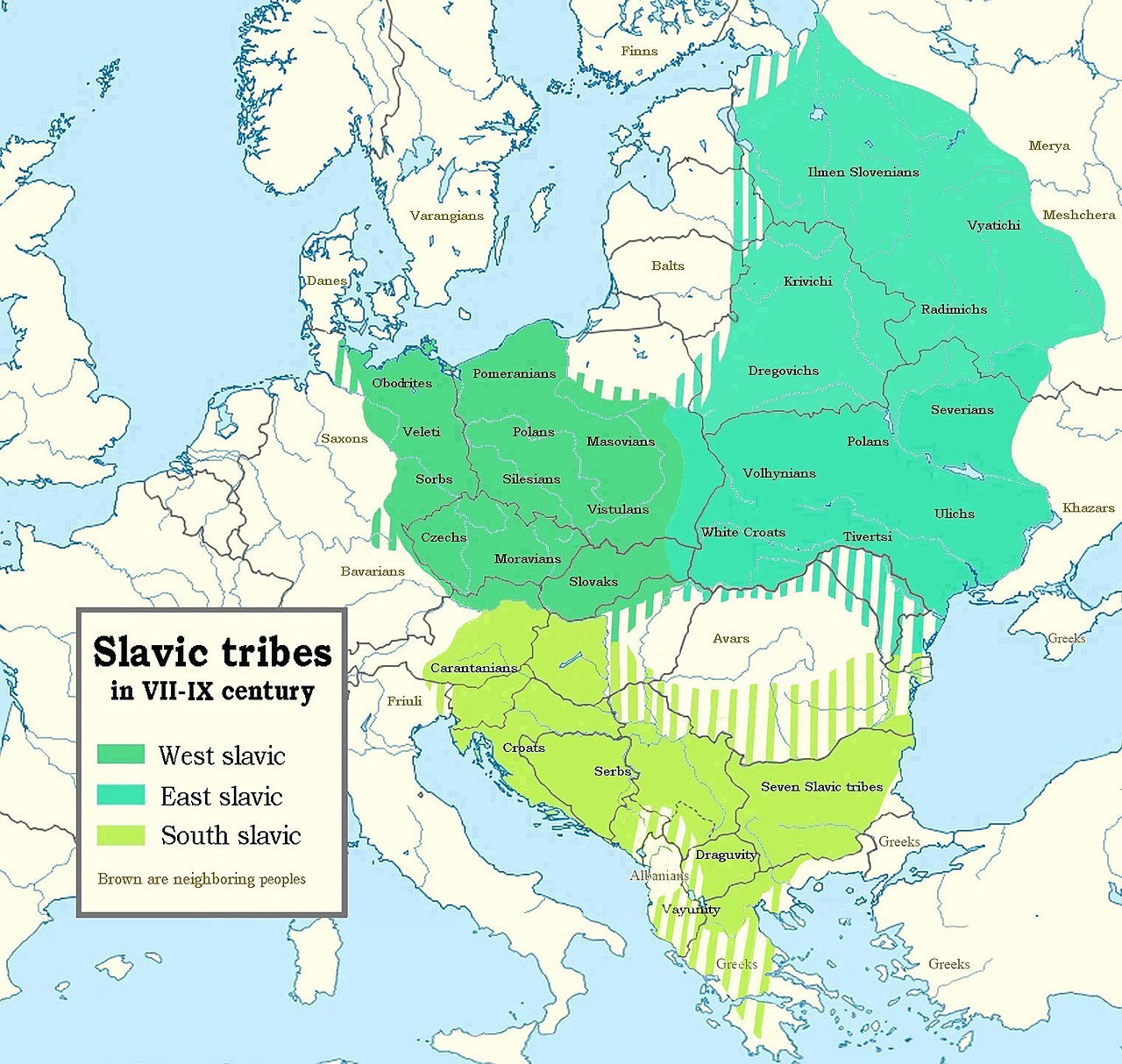
The Slavs are an Indo-European ethnolinguistic group whose modern communities are found across much of Europe and parts of Asia. They are traditionally grouped into three branches: West, East and South Slavs. Slavic-speaking populations live in regions of Central Europe, Eastern Europe, the Balkans and extend into parts of Central and North Asia. Today the largest Slavic populations are in Russia, Poland and Ukraine, but the Slavic presence is diverse, ranging from large nation-states to small autochthonous minorities.
Image gallery
10 Images




Classification and principal peoples
Scholars divide Slavs into three main clusters with distinct histories and cultural ties. Broadly they include:
- West Slavs — groups such as the Poles (Poles), Czechs (Czechs) and Slovaks (Slovaks) are placed here; see also the wider category West Slavs.
- East Slavs — the main peoples are Russians (Russian speakers), Belarusians (Belarusians) and Ukrainians (Ukrainians).
- South Slavs — groups of the Balkans such as Serbs (Serbs), Bulgarians (Bulgarians), Croats (Croats), Bosniaks (Bosniaks), Macedonians, Slovenes and Montenegrins.
Languages and mutual intelligibility
Slavic languages form a closely related branch of the Indo-European family and are often mutually comprehensible to varying degrees. The group is sometimes referred to collectively as the Slavic languages. Closely related pairs include Polish and Slovak within the West Slavic subgroup, and Bulgarian and Russian across branches. Among South Slavs, the variants known as Serbian, Croatian and Bosnian are highly similar; they are sometimes described linguistically as a single pluricentric language (commonly called Serbo-Croatian) despite separate standard forms for political and cultural reasons. Worldwide, Slavic tongues are native to roughly 300 million people and are also learned as second languages beyond Slavic-majority countries.
History and development
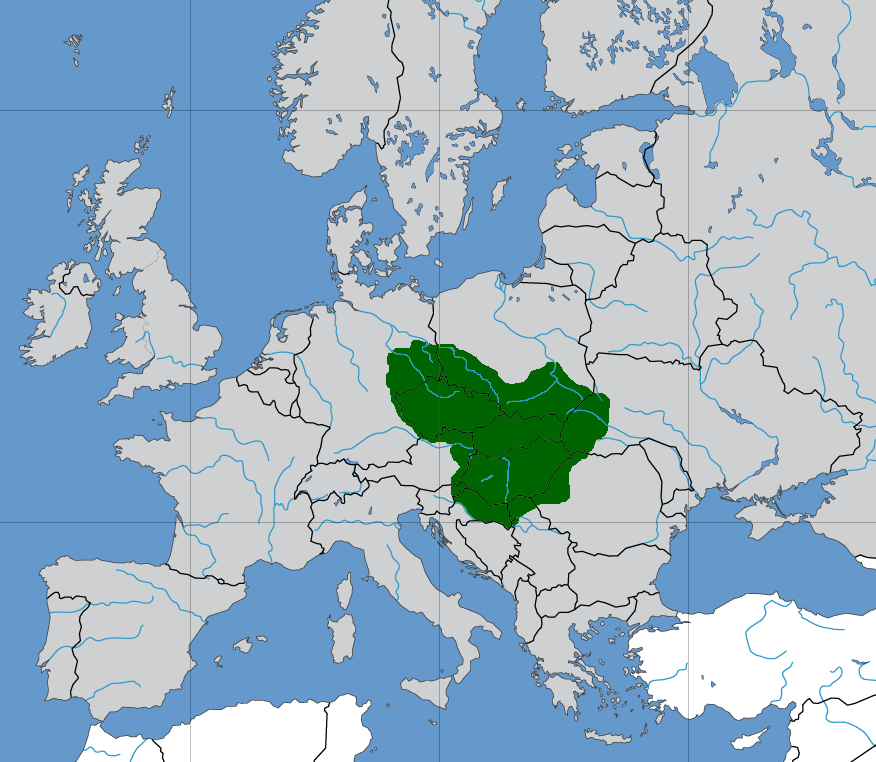
Slavic-speaking communities emerged from a shared Proto-Slavic culture in the early medieval period and expanded into former Roman, Germanic and steppe territories between the 5th and 10th centuries. Over subsequent centuries different Slavic polities rose and fell: medieval Bulgarian and Czech states played important regional roles, Serbian principalities expanded in parts of the Balkans, and in later centuries the Polish–Lithuanian union and the Russian state shaped much of Eastern Europe. Smaller historic Slavic groups have persisted, including the Lusatian Sorbs (Sorbs), Rusyns and Kashubians, each with distinct local identities.
Geographic distribution, neighbors and minorities
Slavs live alongside many non-Slavic peoples. Neighbors include Austrians (Austrians), Hungarians, Romanians, and the Baltic peoples such as Estonians, Lithuanians and Latvians. In some Baltic states and in parts of Central Europe there are substantial Russian- and Polish-speaking minorities. Beyond Europe, Slavic languages and communities appear in diasporas and in historic frontier zones extending into parts of Germany and even areas of China reached by migration or trade.
Culture, religion and notable distinctions
Religious traditions among Slavs are varied: East and many South Slavs are historically associated with Eastern Orthodoxy, West Slavs with Roman Catholicism, and some South Slavic communities include Muslim populations, reflecting complex regional histories. Writing systems include both Cyrillic and Latin alphabets, sometimes used interchangeably within the same language area. Comparisons of mutual intelligibility among Slavic varieties often note that some standards are closer to one another than standard varieties of other languages — for example, speakers of different South Slavic standards often understand each other more easily than speakers of different standardized forms of English, German or Dutch, and similarities are sometimes likened to those between Hindi–Urdu or among Western European standards such as French and Spanish.
Further reading and resources can provide detailed maps, language surveys and histories; for basic introductions see regional overviews and language family summaries that cover both major nations and smaller Slavic minorities.
Related articles
Author
AlegsaOnline.com Slavs: peoples, languages, and historical overview Leandro Alegsa
URL: https://en.alegsaonline.com/art/91062
Sources
- shaav.com : "Sociolinguistic Analysis of "Serbo-Croatian""
- worldcat.org : 0823-0579
- worldcat.org : 243829127 · archive.org
- worldcat.org : 0354-9259
- worldcat.org : 51961066
- persee.fr : "Le serbo-croate (bosniaque, croate, monténégrin, serbe): de l'étude d'une langue à l'identité des langues"
- worldcat.org : 0080-2557
- worldcat.org : 754204160