
Croatian language: overview, dialects, history and modern usage
An informative overview of the Croatian language, its major dialects, historical development, writing reforms, grammatical features, and contemporary use in the region and abroad.
Overview
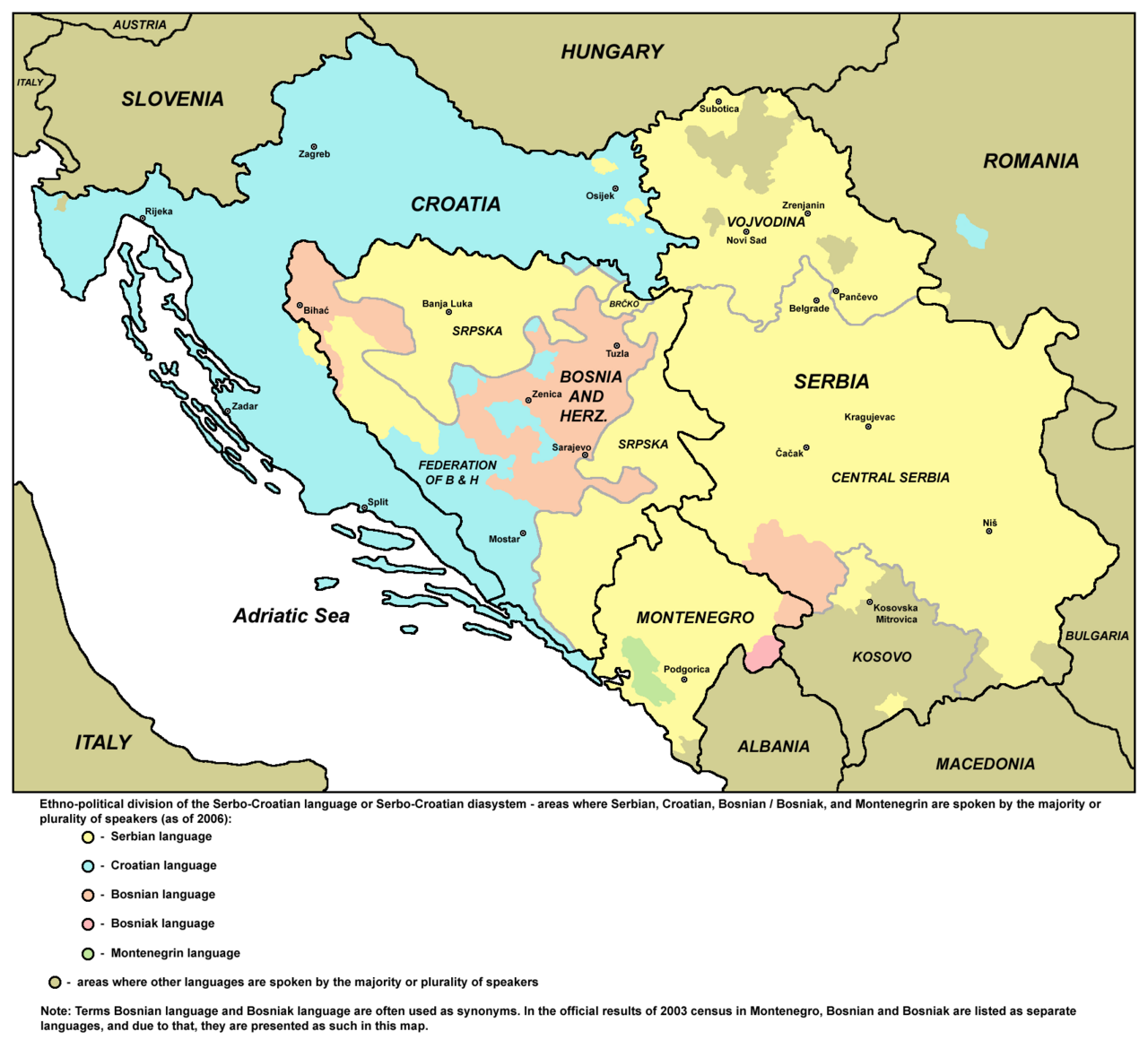
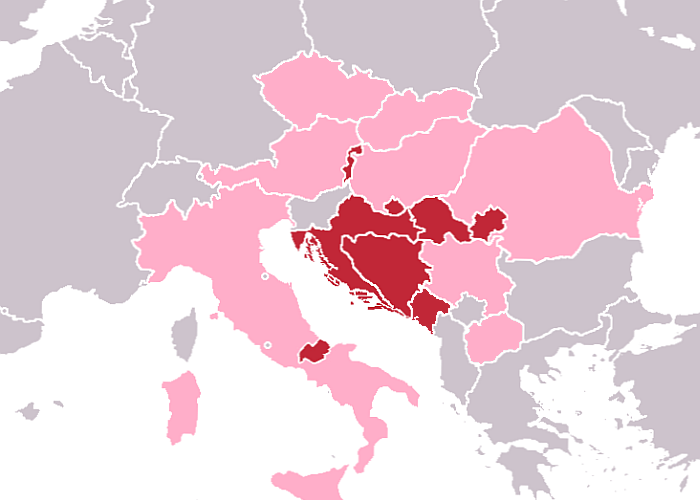
The Croatian language is a South Slavic language primarily spoken in Croatia and by significant communities in Bosnia and Herzegovina, as well as diaspora and neighboring areas in surrounding European countries. It belongs to the Western subgroup of the South Slavic branch and shares much of its structure and vocabulary with closely related languages. Croatian is used in government, media, education and literature in its home countries, and it serves as a marker of cultural and national identity.
Image gallery
8 Images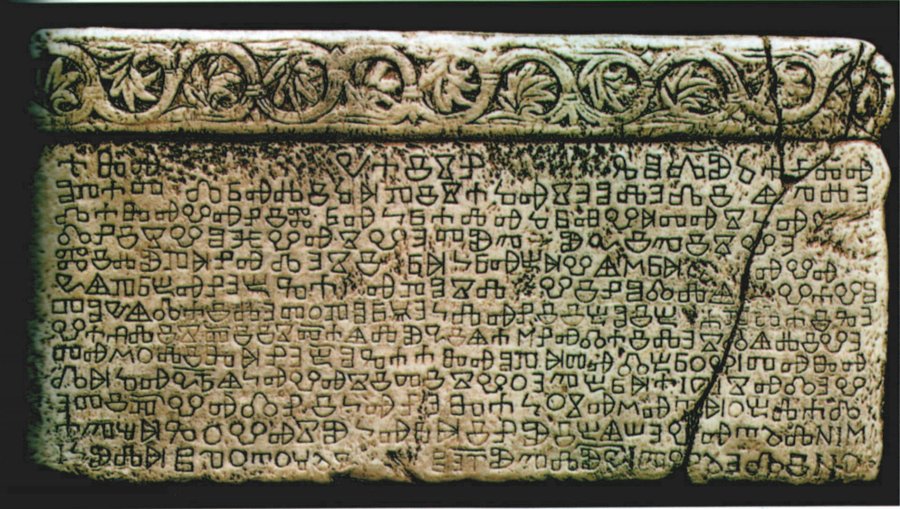




Dialectal structure and characteristics
Croatian is traditionally described as comprising three main vernacular groups: Kaikavian, Chakavian and Shtokavian. These groups are named for the local form of the interrogative pronoun meaning "what" (kaj, ča/ča, što/šta). Shtokavian dialects form the basis of the modern standard language; Kaikavian and Chakavian preserve older phonological and lexical features. Croatian grammar and phonology include features typical of Slavic languages such as a rich inflectional system for nouns, pronouns and adjectives, verbal aspect, and a relatively free word order governed by information structure and case marking.
Historical development and codification
The process of codifying Croatian began in the early modern period. Early grammatical descriptions appeared from the 17th century onward; for example, a notable early grammar was authored in Latin in the early 1600s. Throughout the 18th and 19th centuries, grammarians and writers debated which dialectal norms to use for writing. Coastal speech near the Adriatic Sea absorbed some lexical and prosodic influence from Italian, while varieties spoken toward the northeast show contact features related to Hungarian. The 19th century was a formative period: reforms and proposals addressed orthography, accent notation and the choice of a common literary norm.
Orthography and accents
Traditional descriptions of prosody identified a small set of pitch and length distinctions often referred to as accents (commonly labelled acute, grave and circumflex), and several 19th-century grammars experimented with accentual notation; the acute accent is one notable example of these distinctions (acute). A major orthographic reform in the 19th century was promoted by Ljudevit Gaj, who introduced letters and diacritic signs inspired by other Slavic Latin alphabets, particularly from Czech and Polish. This led to the modern Croatian alphabet, which uses characters such as č, ž, š, ć and digraphs like lj, nj and dž, and to further refinements proposed by later linguists.
Uses, literary tradition and modern status
Croatian has a long literary tradition spanning religious texts, epic poetry, modern prose and journalism. Today the standard language is taught in schools, used in broadcast media and in official administration. It coexists with regional varieties and dialect literature, and it continues to evolve under the influence of contact languages, globalization, and technology. Croatian is also recognized as a minority language in neighboring states where Croatian-speaking communities live, and it is maintained by immigrant communities abroad.
Notable distinctions and contemporary issues
Key distinctions for learners and scholars include recognizing dialectal differences, understanding the standard orthography, and distinguishing Croatian from closely related standards (for example, varieties of the pluricentric Serbo-Croatian continuum). Debates about standardization, language policy and terminology periodically arise in cultural and political contexts, but linguistically Croatian remains part of the South Slavic cluster with shared grammar and mutual intelligibility with neighboring standards.
- Language family: Indo-European → Balto-Slavic → Slavic → South Slavic.
- Main dialects: Kaikavian, Chakavian, Shtokavian.
- Orthography influenced by proposals using letters from Czech and Polish models.
For more detailed grammatical descriptions and resources, consult specialized works on Croatian grammar and modern reference grammars and corpora maintained by academic institutions and language organizations.
Questions and answers
Q: What countries is Croatian spoken in?
A: Croatian is mainly spoken throughout the countries of Croatia and Bosnia and Herzegovina, as well as in surrounding European countries.
Q: When did codification of the Croatian language begin?
A: The codification of the Croatian language began at the beginning of the 17th century with Bartol Kašić's first grammar written in Latin in 1604.
Q: How many grammars were written between 1604-1836?
A: Between 1604-1836 there were a total of 17 grammars written.
Q: What dialects are part of the Croatian language?
A: The three dialects that make up the Croatian language are Kaikavian, Chakavian and Shtokavian.
Q: Who proposed new letters for use in writing Croatian?
A: Ljudevit Gaj proposed new letters from Czech (č,ž,š,ľ,ň,ď and ǧ) and Polish (ć).
Q: What other phonemes were accepted for writing in 19th century Croatia?
A: Digraphs such as ie, lj, nj and dž were also accepted for writing certain phonemes.
Related articles
Author
AlegsaOnline.com Croatian language: overview, dialects, history and modern usage Leandro Alegsa
URL: https://en.alegsaonline.com/art/24250
Sources
- ethnologue.com : "Linguistic Lineage for Croatian"