
Bulgarians: people, language, history and global communities
An overview of Bulgarians — a South Slavic people of Southeast Europe: origins, language and script, cultural traits, demographics, diaspora and historical highlights.
Overview
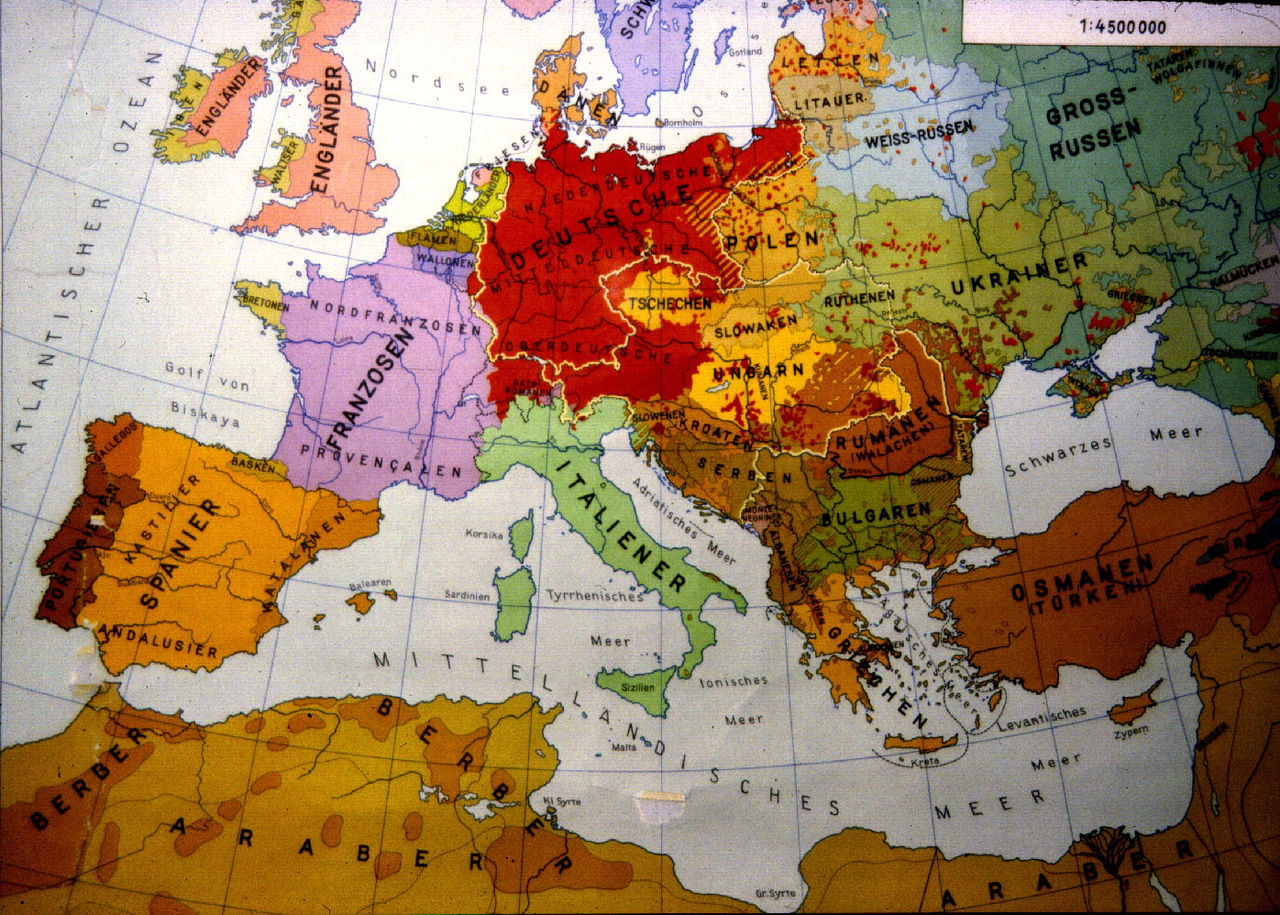
Bulgarians are a South Slavic ethnic group primarily associated with the Republic of Bulgaria in Southeast Europe. Historically formed by the interaction of Slavic-speaking settlers and earlier populations, Bulgarians today share a common language, cultural traditions, and many social institutions. For geographic context see Southeast Europe.
Image gallery
10 Images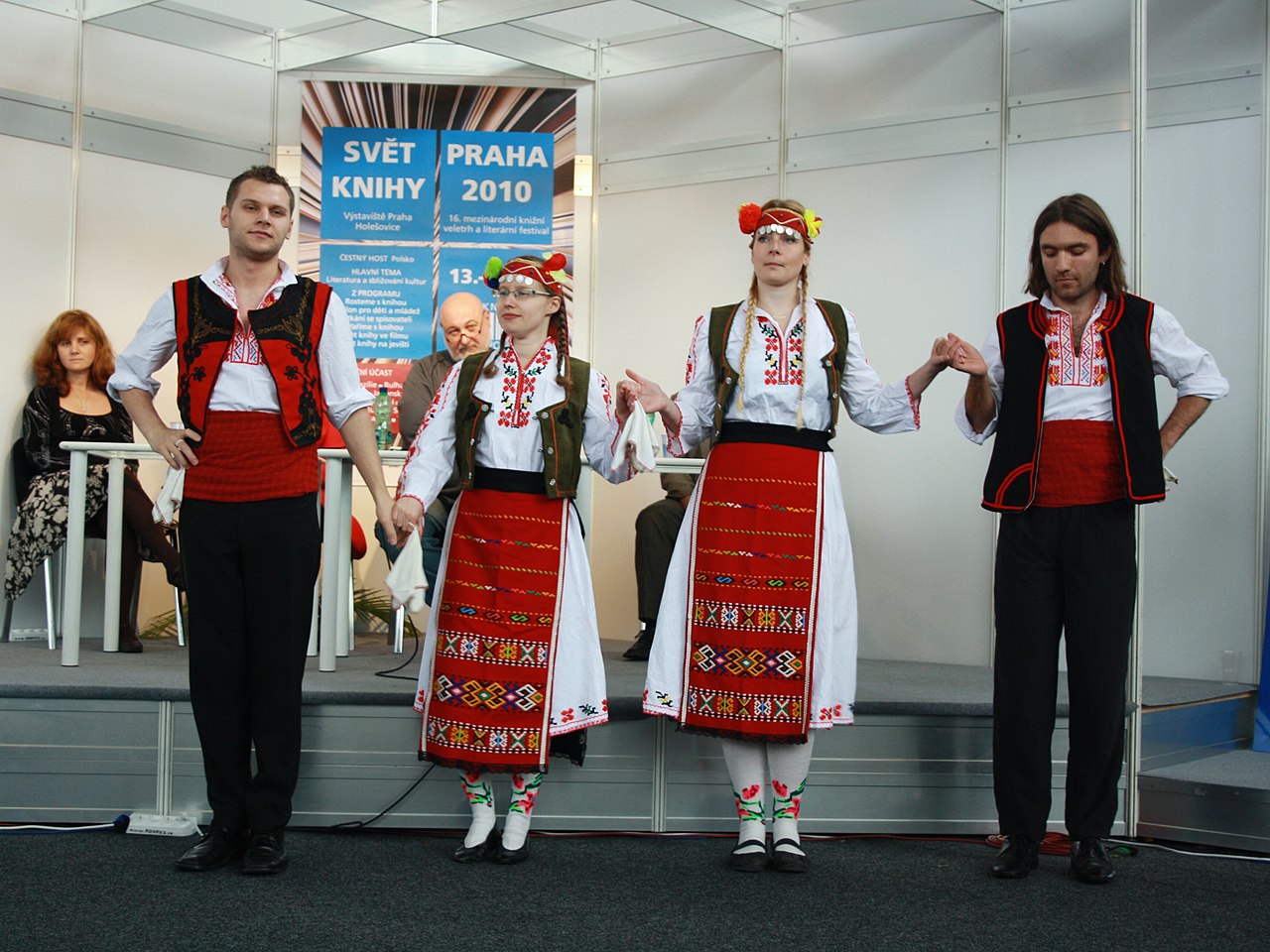


Language and identity
The Bulgarian language, a member of the South Slavic branch, is the principal marker of ethnic identity. It is written in the Cyrillic alphabet and preserves grammatical features that distinguish it from other Slavic languages. For more on the language see Bulgarian.
Population and distribution
There are roughly 7.3 million Bulgarian nationals, the majority living within the borders of Bulgaria. The country itself remains the central demographic, political and cultural focus for the group; official and civic life is organized around the modern state — see Bulgaria. Beyond the country, a substantial diaspora maintains family, economic and cultural ties to the homeland: communities abroad have grown through labor migration, educational exchange and historical movements.
Notable traits and cultural life
- Religion: Eastern Orthodox Christianity has been a predominant religious tradition and shaped art, festivals and communal calendars.
- Folk culture: distinct music, dances (horo), costume and calendar customs remain important to regional identity.
- Literary and intellectual life: Bulgarians contributed to medieval literature, the spread of Cyrillic literacy, and modern cultural institutions.
History in brief
The ethnogenesis of Bulgarians involved Slavic settlers, local Balkan populations and the medieval Bulgar polity. Medieval Bulgarian states were influential in the Balkans, and later periods—especially Ottoman rule and the national revival—shaped modern identity and state formation. The modern Bulgarian state emerged through 19th-century political changes and subsequent consolidation; these broad developments link past institutions to present-day society.
Global communities and contemporary significance
Around the world, Bulgarian communities are notable in western and central Europe and North America. Significant expatriate populations are found in Germany (Germany), Ukraine (Ukraine), Spain (Spain), and in English-speaking countries such as the United Kingdom and the United States. Wide-ranging diaspora organizations and cultural groups sustain language use, celebrate heritage, and influence economic ties to Bulgaria; broader discussions of migration and identity consider these transnational links. For general information about the diaspora see Bulgarian diaspora.
Notable distinctions: Bulgarians are part of the South Slavic family but have unique historical experiences — including the early adoption of the Cyrillic script and a long Orthodox cultural tradition — that distinguish their national identity within the Balkans.
Related articles
Author
AlegsaOnline.com Bulgarians: people, language, history and global communities Leandro Alegsa
URL: https://en.alegsaonline.com/art/15225
Sources
- britannica.com : Slavs
- books.google.com : One Europe, Many Nations: A Historical Dictionary of European National Groups
- academia.edu : Cultural Proximity of the Slavic Nations
- books.google.com : Native Peoples of the World: An Encylopedia of Groups, Cultures and Contemporary Issues: An Encylopedia of Groups, Cultures and Contemporary Issues
- questia.com : "Bulgarian language"
- link.springer.com : "The Bulgarian Language in the European Information Society"
- ecmi.de : "Social Construction of Identities: Pomaks in Bulgaria, Ali Eminov, JEMIE 6 (2007) 2 © 2007 by European Centre for Minority Issues"