
Hindustani (Hindi–Urdu): origins, features, and cultural role
Hindustani is the common colloquial core of Hindi and Urdu. This entry covers its origins, grammar and scripts, standard varieties, and its role in communication, literature, film and South Asian identity.
Overview
Hindustani is the term commonly used for the shared, colloquial language behind modern Hindi and Urdu. It constitutes a linguistic continuum in which everyday speech is largely mutually intelligible across many communities of northern India and Pakistan. The two standard forms—Modern Standard Hindi and Standard Urdu—derive from the same spoken base but diverge in formal vocabulary, script and some institutional uses. For more on the relationship between Hindi and Urdu, see sections below.
Image gallery
5 Images

Characteristics
At the core of Hindustani are grammatical patterns and basic vocabulary that remain the same across registers; speakers who use either standard form can often understand one another in ordinary conversation. The grammar is analytic with postpositions, gendered nouns, and a verb system that marks aspect and mood rather than tense alone. For discussion of its shared grammar, linguistic surveys highlight structural continuity despite lexical differences.
History and development
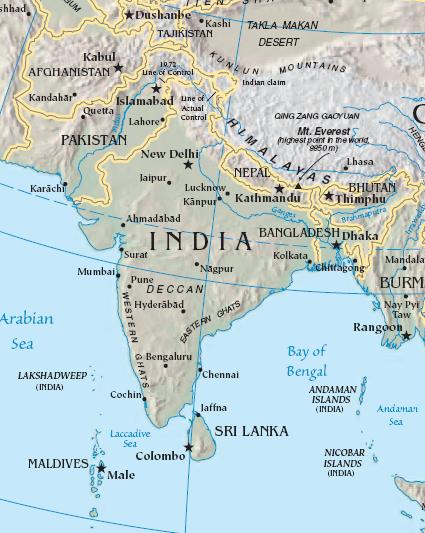
The language developed over centuries from Middle Indo-Aryan ancestors such as Prakrit and Apabhramsha, merging local dialects around major urban centres of northern South Asia. Its shape was influenced by contact with Persian, Arabic and Turkic languages under a succession of medieval states. Some accounts trace important early stages to regions including Punjab and the cities that rose under medieval dynasties; historical centres such as Punjab, the Ghaznavid Empire era and cities like Lahore figure in the complex map of its emergence, though development was widespread rather than limited to a single city.
Registers and standardization
Hindustani exists as a spectrum from very colloquial speech to highly Sanskritized or Persianized formal registers. Key distinctions include:
- Script: Devanagari for Standard Hindi, Perso-Arabic (Nastaliq) for Standard Urdu.
- Lexicon: formal Hindi often favors Sanskrit-derived words; formal Urdu favors Persian and Arabic borrowings.
- Institutional status: the standards serve different official and cultural roles in India, Pakistan and among diaspora communities.
Uses and cultural importance
Hindustani functions as an everyday lingua franca across wide areas, and it has been central to modern literature, journalism, theatre and especially popular cinema and music. The spoken, mixed-register form is widely used in films and radio, helping to propagate a pan-regional variety intelligible to millions. Education, media policy and politics have shaped how the language is taught and represented in formal settings.
Notable distinctions and facts
Although mutual intelligibility is high in casual speech, diglossia occurs: people switch between colloquial Hindustani and more formal Standard Hindi or Urdu depending on context. Script choice can become a marker of identity, and debates over vocabulary and standardization reflect cultural as well as linguistic differences. For accessible introductions and resources, readers may follow further reading via the links above and specialist linguistic studies.
Related articles
Author
AlegsaOnline.com Hindustani (Hindi–Urdu): origins, features, and cultural role Leandro Alegsa
URL: https://en.alegsaonline.com/art/44296
Sources
- bbc.co.uk : BBC: A Guide to Urdu
- hindinideshalaya.nic.in : Central Hindi Directorate: Introduction
- urducouncil.nic.in : National Council for Promotion of Urdu Language