
Poles: People, Language, Culture and Global Community
Overview of the Poles: an ethnic West Slavic people native to Poland, their language, cultural traits, history, diaspora and notable figures.
The Poles are an ethnic West Slavic people native to the territory of modern Poland. They are commonly identified by the Polish language, Polski, and shared cultural traditions rooted in Central Europe. As an ethnic group, Poles are part of the broader family of Slavic peoples and are often described in demographic sources as an ethnic group with a strong national identity shaped by language, faith and historical experience. Geographically, Poland sits in Central Europe, a position that has influenced Polish cultural and political development.
Image gallery
10 Images


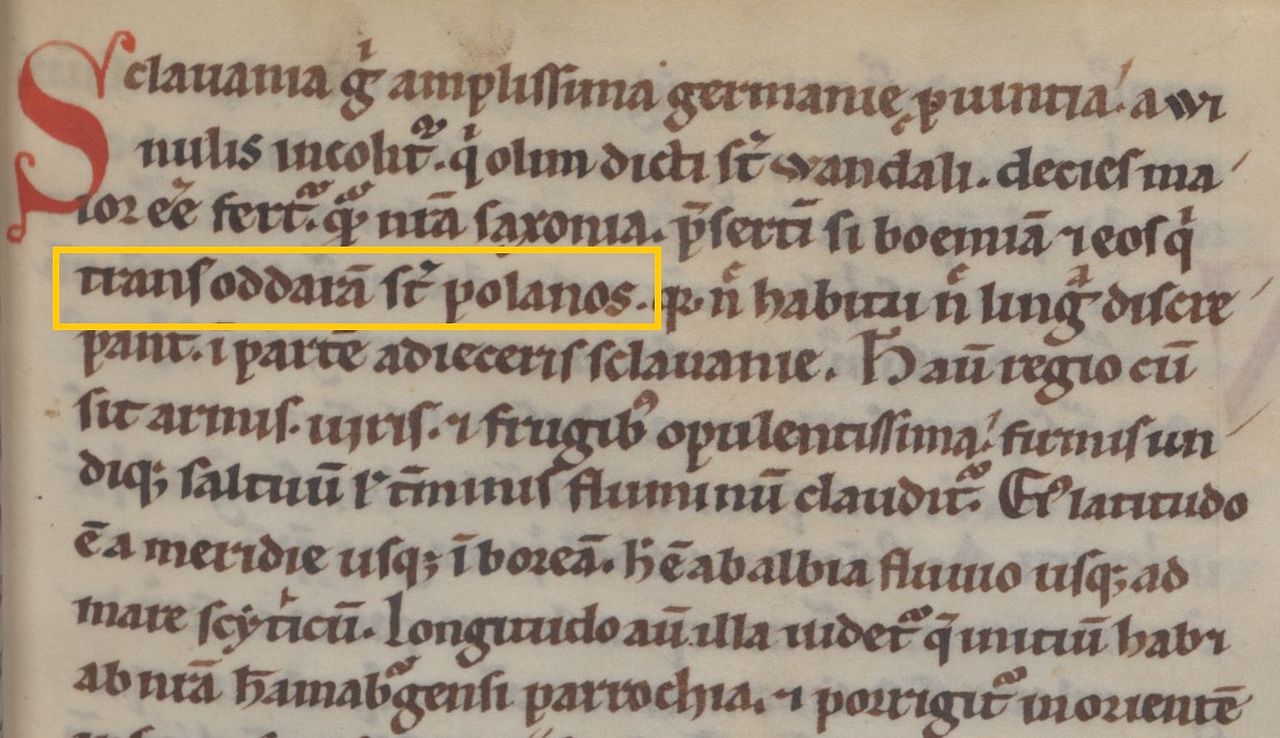
Language, faith and cultural markers
The Polish language belongs to the Lechitic branch of the West Slavic subgroup; linguists place it within the Lechitic group alongside closely related dialects. Polish uses a Latin-based alphabet with distinctive diacritical marks. Roman Catholicism has been the dominant religion for many centuries and remains an important component of cultural life and public holidays. Folk customs, cuisine and regional costumes contribute to a sense of local identity while literature, music and film have reinforced a shared national narrative.
Origins and historical outline
Polish identity evolved from West Slavic tribes that settled the Vistula basin in the early Middle Ages. A Polish state took shape under the early Piast rulers around the 10th century. Over subsequent centuries Poland experienced territorial expansion, dynastic unions and cultural flourishing. The late 18th century partitions removed Poland from the map for over a century; the nation later regained independence in the 20th century, endured major losses during World War II, and experienced political reorganization under Communist rule before a peaceful transition toward democracy in the late 20th century. Movements such as Solidarity played a notable role in that transformation.
Population, diaspora and global presence
Roughly 38 million people live in Poland today, while a wider Polish diaspora means that around 60 million people worldwide identify with Polish ancestry or culture. Large Polish communities exist in many countries; notable destinations include:
- United States
- Australia
- Brazil
- Germany
- Canada
- France
- United Kingdom
- Ukraine
Contributions and notable individuals
People of Polish origin have made prominent contributions in science, arts, religion and politics. Widely recognized figures include:
- Pope John Paul II, who strengthened global visibility of Polish Catholicism
- Maria Skłodowska-Curie, a physicist and chemist remembered for work on radioactivity
- Nicolaus Copernicus, whose heliocentric hypothesis transformed astronomy
- Lech Wałęsa, a labor leader associated with democratic change
Names, surnames and everyday identity
Polish surnames frequently carry characteristic endings: masculine and feminine forms often appear as "-ski"/"-ska" or "-cki"/"-cka". Among common family names are Nowak and Kowalski, which are similar in ubiquity to "Smith" or "Jones" in English-speaking countries. Everyday identity is also expressed through regional customs, dialects and family traditions passed across generations.
For more detailed information about language, history and communities, see specialist resources linked above and general surveys on Central European history.
Related articles
Author
AlegsaOnline.com Poles: People, Language, Culture and Global Community Leandro Alegsa
URL: https://en.alegsaonline.com/art/77716
Sources
- polmap.pdg.pl : "Polmap. Rozmieszczenie ludności pochodzenia polskiego (w mln)"
- stat.gov.pl : "The national-ethnic affiliation in the population – The results of the census of population and housing in 2011"
- stat.gov.pl : Struktura narodowo-etniczna, językowa i wyznaniowa ludności Polski [Narodowy Spis Powszechny Ludności i Mieszkań 2011]
- stat.gov.pl : Ludność. Stan i struktura demograficzno-społeczna
- wspolnota-polska.org.pl : "Stowarzyszenie Wspólnota Polska" · web.archive.org
- zeit.de : "Polen in Deutschland: Verstecken war gestern"
- ynet.co.il : "ynet דרכון פולני בזכות הסבתא מוורשה - כלכלה"
- cbs.gov.il : "Jews, by Country of Origin and Age"
- www12.statcan.gc.ca : "Ethnic Origin (264), Single and Multiple Ethnic Origin Responses (3), Generation Status (4), Age Groups (10) and Sex (3) for the Population in Private Households of Canada, Provinces, Territories, Census Metropolitan Areas and Census Agglomerations, 2011 National Household Survey"
- ons.gov.uk : "Polish diaspora in numbers"
- edant.clarin.com : "Clarín.com – La ampliación de la Unión Europea habilita a 600 mil argentinos para ser comunitarios"