
Polish language (język polski)
Polish is a West Slavic language spoken primarily in Poland and by diaspora communities worldwide. It features a case system, rich consonant clusters and a Latin-based alphabet with diacritics.
Overview
Polish (język polski, polszczyzna) is a West Slavic language and the principal language of Poland. It serves as the official language of the modern Polish state and is one of the most widely spoken Slavic languages after Russian (Russian). Estimates place native and fluent speakers at roughly fifty million worldwide, making Polish a major language in Central and Eastern Europe and among emigrant communities on several continents. Basic facts and demographic summaries are commonly referenced in statistical sources (statistics).
Image gallery
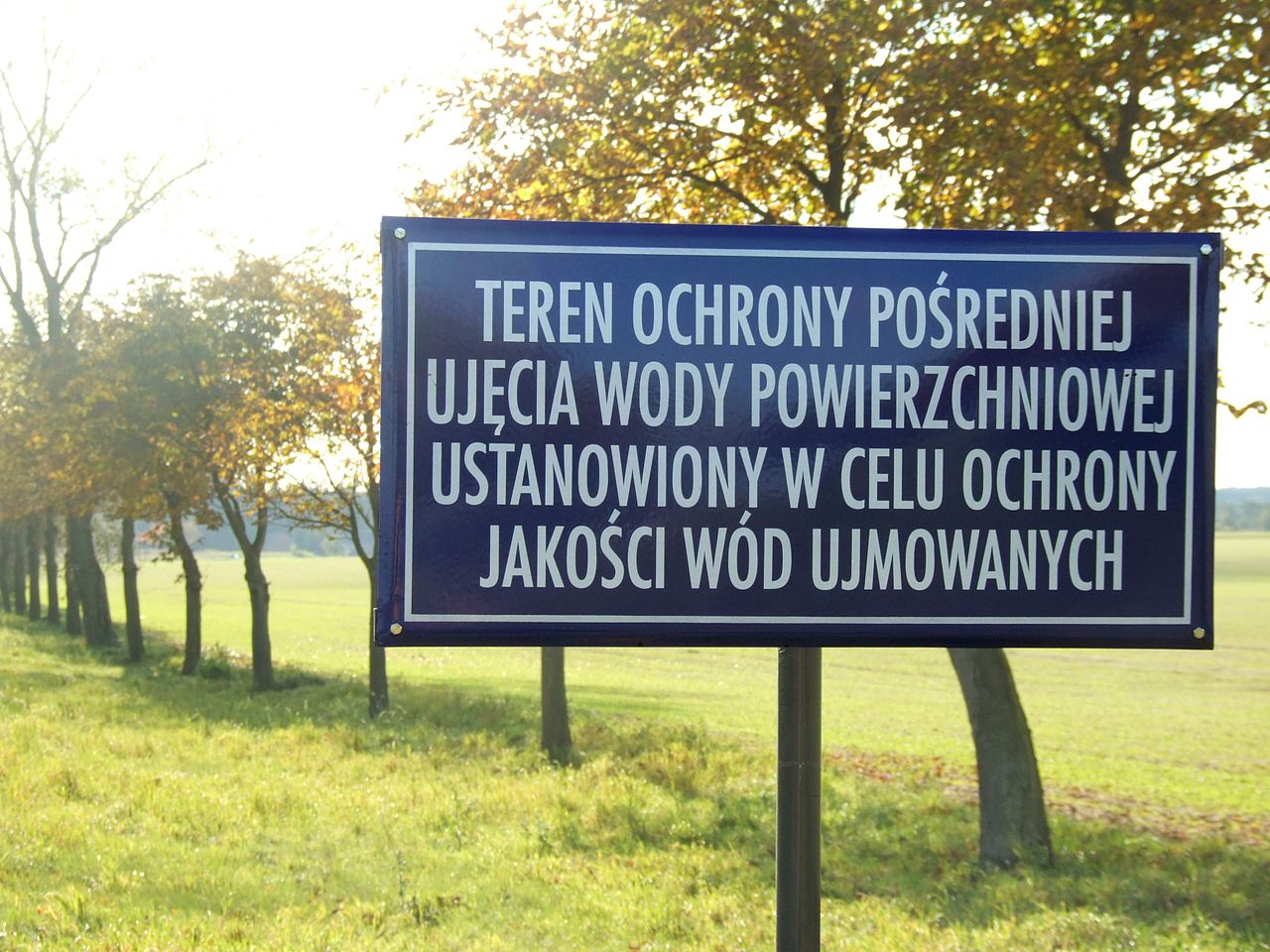
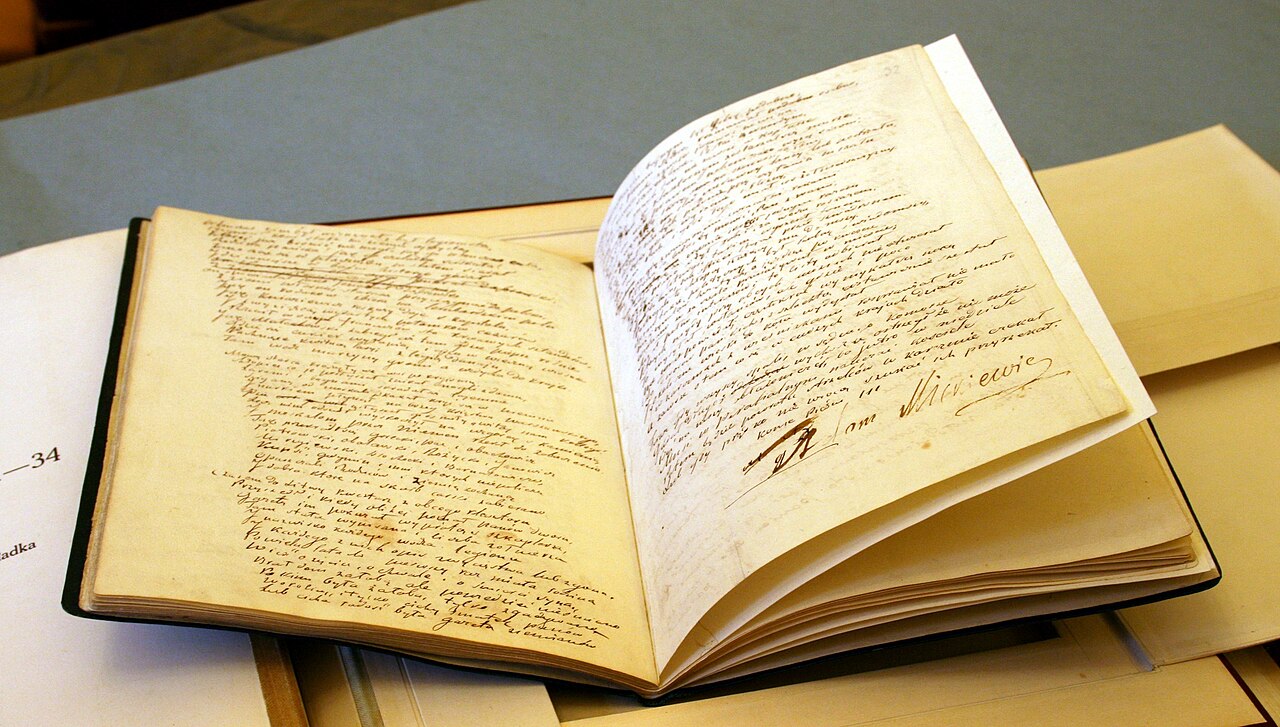
10 Images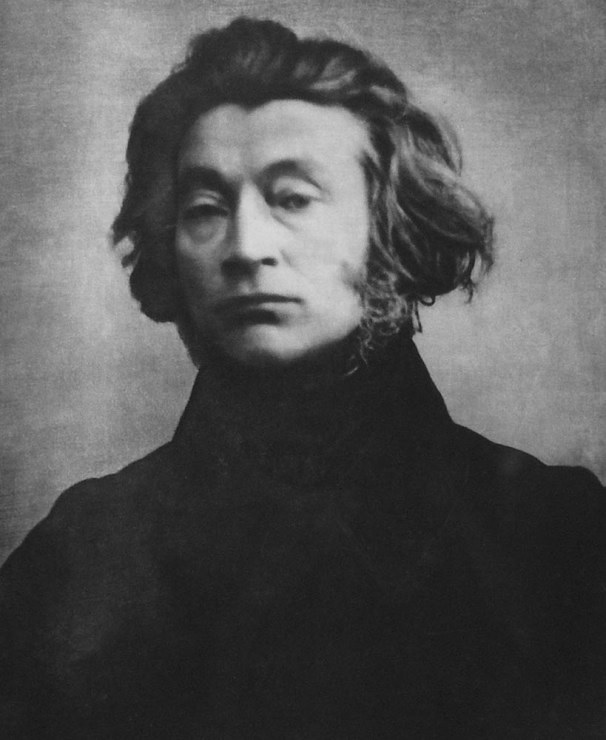







Key linguistic characteristics
Polish uses the Latin alphabet supplemented by diacritical letters (ą, ę, ś, ć, ń, ó, ł, ż/ź). Its grammatical system retains a robust inflectional morphology: nouns decline for seven cases, adjectives and numerals inflect for gender and case, and verbs convey tense, mood and aspect. Phonologically, Polish is notable for:
- consonant clusters and dense consonant sequences that can be difficult for non-native speakers;
- palatalization and a set of postalveolar consonants often written as digraphs (cz, sz, rz) and single letters with diacritics;
- two nasal vowels (ą and ę) that descend from Proto‑Slavic nasalization.
History and development
The language developed from Proto‑Slavic through Old Polish (roughly until the 16th century) and Middle Polish (16th to 18th centuries) into the modern standard form. The Renaissance and the rise of print culture helped stabilize spelling and literary norms; later centuries of political partitions, foreign rule and national revival influenced both vocabulary and standardization. Polish literary tradition includes influential poets and novelists who helped shape modern written Polish.
Geographic distribution and communities
Polish is primarily spoken in Poland, but significant speaker populations and historical minorities occur in neighboring countries and in immigrant communities. It is used as a second language in parts of Belarus, Lithuania and Ukraine. Large diaspora communities maintain the language abroad—examples include sizable Polish-speaking groups in Australia, Brazil, Canada, the United Kingdom and the United States. Emigration in different historical periods—economic migration, political exile and post‑war resettlements—has produced multi‑generational Polish communities that continue to teach and use the language.
Uses, importance and distinctions
Polish functions in government, education, media and literature in its home country and in minority institutions elsewhere. As a Slavic language it shares grammatical and lexical affinities with other Slavic tongues, but its West Slavic classification separates it from East Slavic languages like Russian in phonology and certain core vocabulary, so mutual intelligibility is limited. Modern Polish continues to absorb loanwords and adapt new terms for technology, administration and culture while maintaining grammatical continuity with its historic forms.
Further notes
Learning Polish presents typical challenges of inflected languages (cases, agreement, verbal aspect) and pronunciation (clusters and nasal vowels) but offers direct access to a large body of literature, regional culture and communication across Central Europe. For country-specific language policy, demographics and more detailed linguistic descriptions consult official and academic sources (statistics, national bodies and language institutes).
Questions and answers
Q: What is Polish?
A: Polish, known as "język polski" or "polszczyzna" is the official language of Poland and is the most common Western Slavic language.
Q: How many people speak Polish as their first language in Poland?
A: Over 43.5 million people speak Polish as their first language in Poland.
Q: In which other countries is Polish spoken as a second language?
A: Polish is spoken as a second language in western parts of Belarus, Lithuania, and Ukraine.
Q: How important has Polish been in Central and Eastern Europe?
A: Polish has been an important language in Central and Eastern Europe.
Q: How many Polish speakers are there around the world?
A: There are over 50 million speakers of Polish around the world, including millions in Australia, Ireland, Brazil, Canada, United Kingdom, United States and elsewhere.
Q: What is the ranking of Polish among the Slavic languages in terms of popularity?
A: Polish is the second most spoken Slavic language, after Russian.
Q: What is unique about the history of Polish-speaking immigrants?
A: Due to emigration during different times, millions of Polish-speakers can be found all around the world, giving unique cultural influence and ties to surrounding areas, such as other countries where their language is spoken.
Related articles
Author
AlegsaOnline.com Polish language (język polski) Leandro Alegsa
URL: https://en.alegsaonline.com/art/77742