
Silicon Dioxide (Silica): Properties, Natural Forms, Uses and Health Effects
Comprehensive overview of silicon dioxide (silica): chemical nature, common mineral forms, industrial uses, historical context, and health and safety considerations.
Silicon dioxide, commonly called silica, is the chemical compound with the formula SiO2. It is the oxide of silicon and one of the most abundant minerals in the Earth's crust. In chemistry terms it consists of one silicon atom bonded to two oxygen atoms; this simple stoichiometry gives rise to a variety of crystalline and amorphous structures with very different physical properties. For a basic chemical overview see silica and the general description of the oxide of silicon.
Image gallery
10 Images


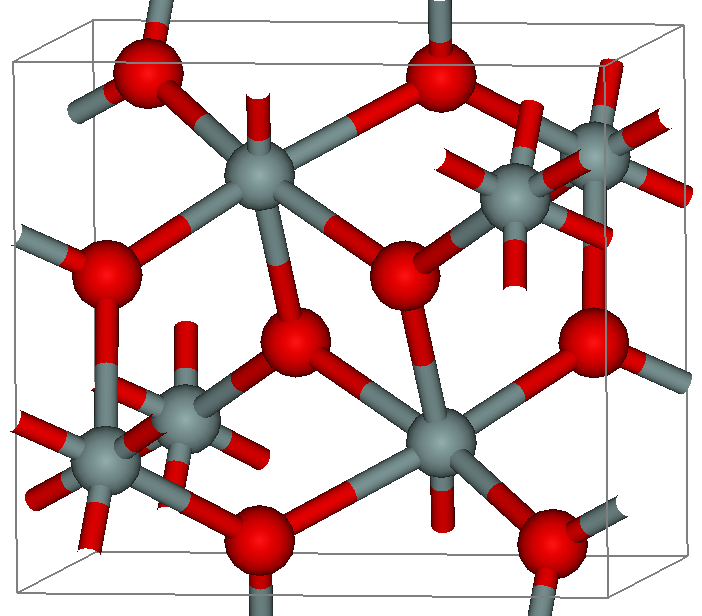

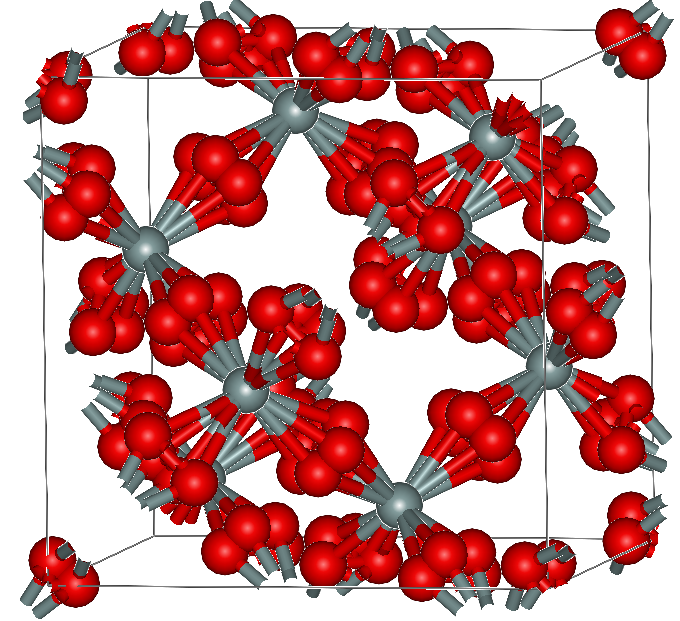
Structure and physical characteristics
Silica forms several polymorphs — different crystal arrangements of the same chemical composition — as well as non-crystalline (amorphous) glassy forms. The most familiar crystalline form is quartz, while other varieties include cristobalite and tridymite, each stable under different temperature and pressure conditions. Amorphous silica lacks long-range order and is the primary constituent of many glasses. The hardness, high melting point, and chemical inertness of silica underpin its wide use in materials manufacturing; see a general materials note at silicon.
Natural occurrence and varieties
In nature silica appears as quartz, flint, agate, jasper, and opal among others. These natural forms have been used historically for tools, ornamentation, and building stone. Fine-grained flint and chert were prized for early stone tools, while clear quartz has been used in jewelry and optical applications. For examples of natural silica minerals consult natural occurrence, flint, quartz, and opal.
Uses and applications
Silicon dioxide is a foundational industrial material. It is the principal ingredient in most types of glass and is essential to the production of concrete, ceramics, porcelain, and stoneware. High-purity silica is used in semiconductor and optical industries. Common applications include:
- Glassmaking and fiberglass production — silica sand is melted to form glass.
- Ceramics and pottery — silica acts as a glass former and binder.
- Construction materials — silica is a component of concrete and mortar.
- Electronics and optics — synthesized high-purity forms are used in silicon chips and lenses. See references on industrial roles at glass, concrete, porcelain, and stoneware.
Historical notes
Human familiarity with silica stretches back to prehistoric times through the use of flint and quartz for tools and ornaments. The remarkable hardness and durability of certain silica forms have been noted in historical sources; glassmaking emerged millennia ago as techniques for melting and shaping silica-rich sands were developed. For general historical context see historical uses and cultural references at silicosis history.
Health, safety, and environmental aspects
Bulk silica and most solid forms are chemically inert and pose little hazard in enclosed, intact pieces. The main health risk arises when fine respirable silica dust is generated during mining, cutting, grinding, or demolition. Inhalation of crystalline silica dust can damage lung tissue and, with sufficient exposure, lead to silicosis — a chronic occupational lung disease — and is associated with an increased risk of lung cancer. Safe work practices, dust control, and respiratory protection are critical; see occupational guidance at cancer risk and lung hazards.
Distinctions and notable facts
Not all silica is identical: the term covers both crystalline minerals and amorphous forms used in different industries. Natural quartz crystals differ in behavior from fused silica glass and from engineered silica nanoparticles used in specialized applications. For technical or regulatory information consult materials and safety summaries at silica overview and related entries at silicon oxide, silicon, glass, and concrete.
Related articles
Author
AlegsaOnline.com Silicon Dioxide (Silica): Properties, Natural Forms, Uses and Health Effects Leandro Alegsa
URL: https://en.alegsaonline.com/art/90402