
Silicosis: causes, symptoms, history and prevention
Silicosis is an occupational lung disease caused by inhaling respirable crystalline silica dust. This article reviews causes, pathophysiology, clinical features, history, diagnosis, prevention and public-health considerations.
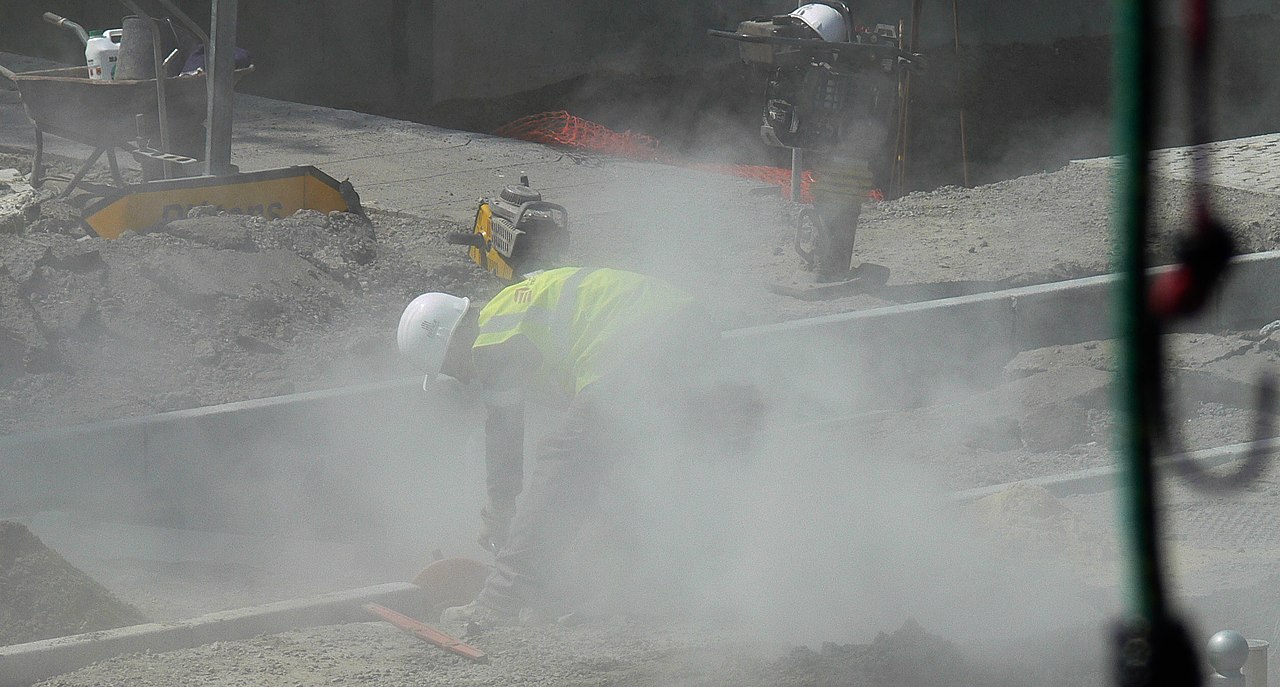
Silicosis is a chronic occupational lung disease resulting from inhalation of respirable crystalline silica particles. These very small grains are produced when materials that contain silica are cut, drilled, ground, blasted or otherwise disturbed. Once inhaled, the particles reach the deep airways and alveoli of the lungs, where they trigger inflammation and progressive scarring that reduce respiratory function. For a general overview see silicosis information. The mineral silica is closely related in composition to glass and is a major component of sand and many rocks; workplace handling of these materials releases silica particles.
Image gallery
7 Images




Causes and pathophysiology
Silicosis arises only after inhalation of crystalline silica in respirable form. The most common occupational settings include mining, quarrying, stonecutting, sandblasting, tunnelling, some types of construction, foundries and ceramics or glass manufacture. When alveolar macrophages attempt to clear silica, they are injured and release inflammatory mediators that lead to collagen deposition and formation of silicotic nodules. Over time the process can progress to widespread fibrosis and loss of lung elasticity.
Clinical features and diagnosis
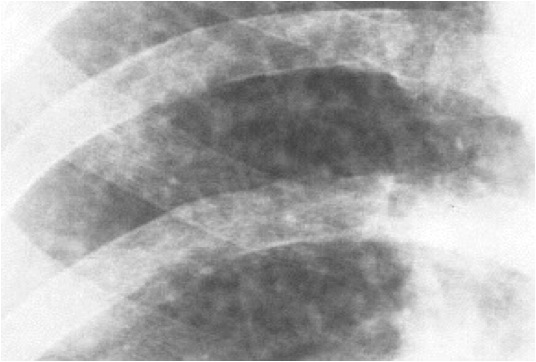
Early symptoms are often nonspecific: cough, sputum production and shortness of breath on exertion. Advanced disease may cause breathlessness at rest, fatigue, weight loss and, in severe cases, bluish skin coloration (cyanosis) or systemic features such as cyanosis and fever. Because these findings overlap with other respiratory illnesses, clinicians should ask about occupational exposures; silicosis can be mistaken for pneumonia, tuberculosis or fluid in the chest (pleural effusion). Key diagnostic steps include a detailed exposure history, chest imaging (radiography and high-resolution CT), lung function tests often showing restrictive patterns, and occasionally bronchoscopy or biopsy when diagnosis is uncertain.
Types, course and complications
- Chronic silicosis: most common, develops after many years of low to moderate exposure and may be slowly progressive.
- Accelerated silicosis: follows higher exposures over a shorter period and progresses more rapidly.
- Acute silicosis: occurs after very high exposure and can lead to rapid respiratory failure.
Complications include progressive massive fibrosis with large conglomerate masses, respiratory failure, an increased susceptibility to mycobacterial infections such as tuberculosis, and a higher long-term risk of lung cancer that has been recognized by major health agencies. Physical examination and pulmonary tests help assess severity and progression.
History and social impact
Observers noticed lung disease among stoneworkers centuries ago. An early clinical record in the early 18th century described sand-like material in the lungs of stonecutters, and the term "silicosis" was introduced in the 19th century with roots in the Latin for hard stone or flint. Discovery of the occupational cause prompted legal and regulatory action in many countries and the development of worker protections, surveillance programs and compensation schemes.
Prevention, management and public-health measures
There is no therapy that reliably reverses established fibrosis, so prevention is the mainstay of control. Effective measures include engineering controls (local exhaust ventilation, wet methods to suppress dust), process modification to reduce dust generation, use of appropriate personal protective equipment including certified respirators, and medical surveillance of exposed workers. Employers and public-health authorities use exposure monitoring, worker training and enforcement of occupational exposure limits to reduce risk. When disease is present, management focuses on preventing further exposure, treating complications, supporting respiratory function and considering vaccination and prophylaxis where appropriate.
Early recognition depends on clinicians taking an occupational history and on workplace programs that monitor airborne silica and provide education. Continued vigilance is important because new industries and techniques can create exposure risks; protecting workers in mining, construction, manufacturing and related fields remains a global public-health priority. For further reading, consult occupational health resources and clinical guidance: diagnosis resources, complications guidance, management summaries, material safety and public information portals such as disease overviews. Additional practical guidance and workplace recommendations are available from regulatory and occupational bodies that publish exposure limits and control strategies, and from clinical protocol references for evaluating chronic respiratory disease.
Related articles
Author
AlegsaOnline.com Silicosis: causes, symptoms, history and prevention Leandro Alegsa
URL: https://en.alegsaonline.com/art/90407