
Silver iodide (AgI)
Silver iodide, AgI, is a yellow, sparingly soluble silver salt used in cloud seeding, solid-state ionics and photographic science; it forms several crystal phases and is photosensitive.
Overview
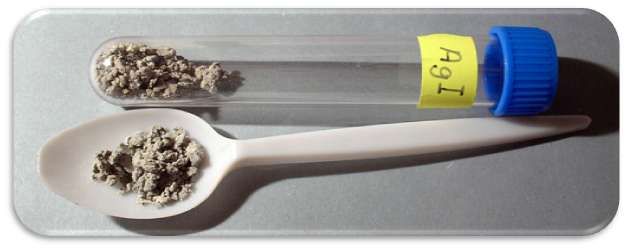
Silver iodide is an inorganic chemical compound composed of silver and iodine atoms with the formula AgI. In this compound silver is present as the cation often described as silver in the +1 oxidation state, paired with iodide anions. The substance appears as a pale to darker yellow solid that is poorly soluble in water and shows sensitivity to light.
Image gallery
5 Images


Structure and properties
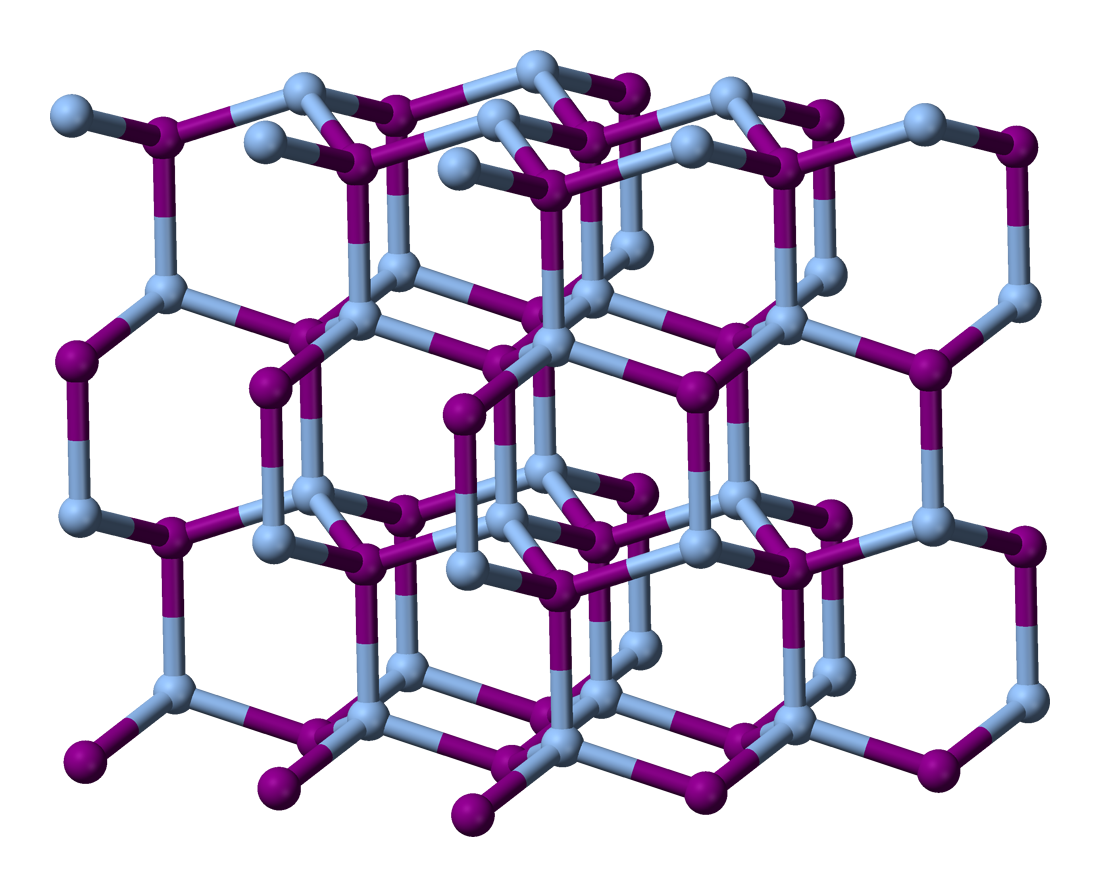
AgI displays several solid phases. At ambient temperatures it commonly adopts a hexagonal arrangement similar to the wurtzite family; other low-temperature and metastable cubic forms are known. On heating, AgI undergoes a transition to a high-temperature, highly mobile "superionic" phase in which silver ions become very mobile and the material conducts ions efficiently. Its chemical behavior is typical of silver halides: it precipitates from solutions of silver salts when iodide is present and can be reduced by light to deposit metallic silver.
Preparation
In the laboratory and industry silver iodide is most often produced by mixing a soluble silver salt such as silver nitrate with a soluble iodide source, causing a yellow precipitate to form. The simple precipitation reaction is widely used for demonstrations and for producing AgI for further study or application. Because the solid is largely insoluble in water, it can be isolated by filtration.
Uses and applications
- Cloud seeding: Finely dispersed AgI particles act as ice nucleating agents and have been used to encourage precipitation in clouds.
- Materials science: The superionic phase makes AgI of interest for research into solid electrolytes and fast ion conductors.
- Photochemistry and photography: Like other silver halides, AgI is light-sensitive and has been used historically to alter photographic emulsions or as a component in sensitized materials.
Safety and environmental notes
Silver iodide contains iodide and silver in forms that require careful handling. Chronic exposure to soluble silver compounds can lead to argyria (a persistent skin discoloration) and silver compounds can be toxic to aquatic organisms. Releases into the environment are therefore managed; controlled uses such as cloud seeding are subject to regulation and study of ecological effects.
Notable facts
AgI formation illustrates a common inorganic reaction: the combination of Ag+ cations and iodide ions to form an insoluble salt. Its role as a nucleating agent in meteorological applications and its transition to a superionic conductor on heating make it an instructive example in both applied and fundamental chemistry.
Related articles
Author
AlegsaOnline.com Silver iodide (AgI) Leandro Alegsa
URL: https://en.alegsaonline.com/art/90462