
Silicone (silicones): chemistry, properties, history and uses
Silicones are synthetic polymers built on siloxane units. This article explains their chemistry, common forms, properties, history, major applications, safety and how they differ from elemental silicon.
Silicones are a class of synthetic materials based on repeating siloxane (–Si–O–Si–) linkages. Often described as polymers, silicones combine silicon and oxygen atoms in a backbone that is usually bonded to organic groups containing carbon and hydrogen. The silicon atoms themselves relate to the chemical element silicon, while the oxygen atoms in the chain are linked to oxygen. Because of this mixed inorganic–organic structure, silicones exhibit a unique blend of thermal stability, flexibility and chemical inertness.
Image gallery
10 Images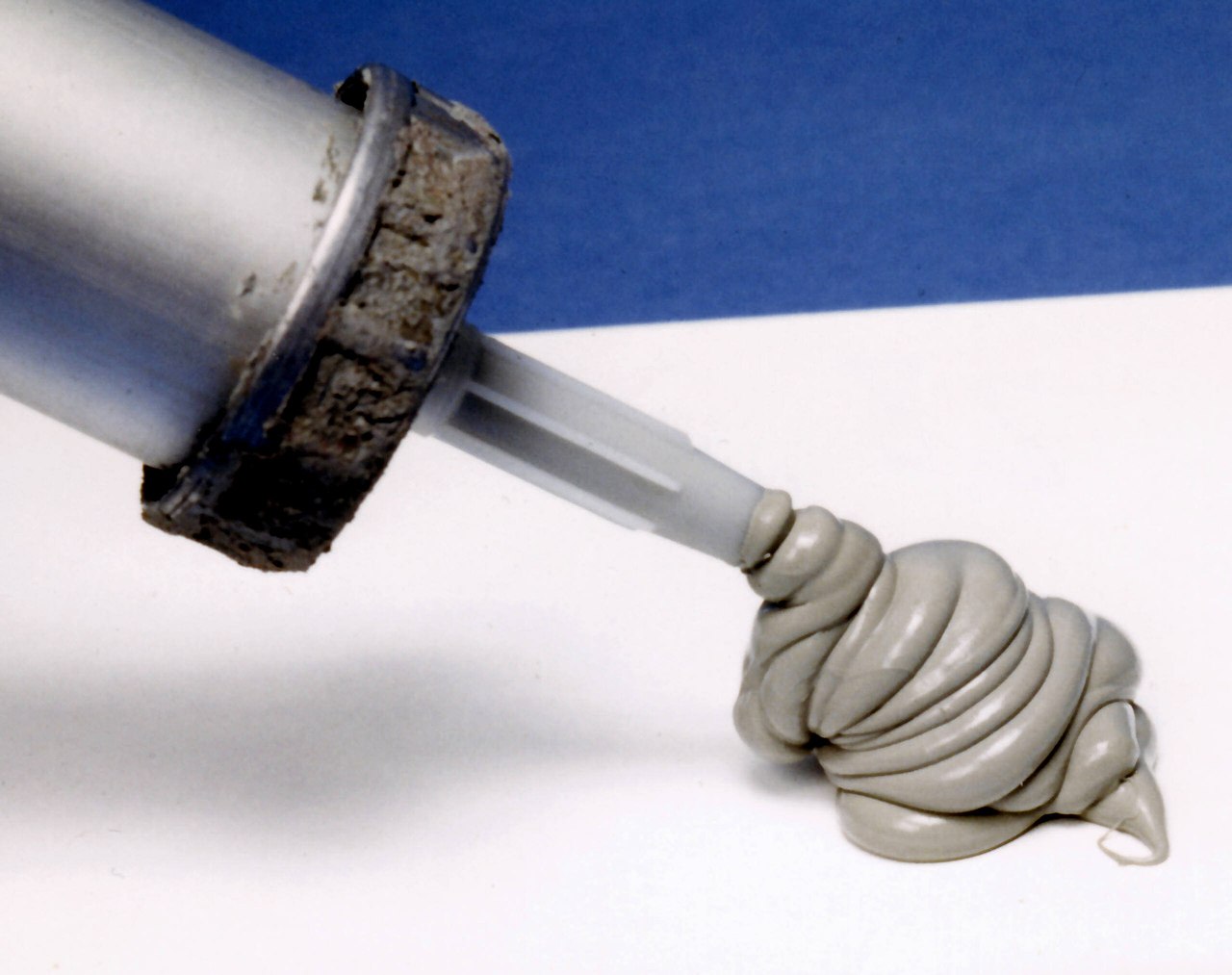



Chemical structure and variants
At the molecular level, silicones are built around repeating siloxane units. Side groups attached to silicon determine much of the material’s behavior: methyl, phenyl and vinyl groups are common. Crosslinking between chains produces materials ranging from viscous liquids to soft elastomers and hard resins. Simple terms used for different forms include silicone oil, silicone grease, silicone rubber and silicone resin. Some specialty silicones include fluorinated or phenylated variants for enhanced chemical resistance or lower temperature flexibility.
Physical properties and typical forms
- Oils and fluids: low-viscosity liquids used as lubricants, hydraulic fluids and in cosmetics (rubber-like feel in some formulations).
- Elastomers: crosslinked rubbers that stretch and recover, used for seals, gaskets and soft medical devices.
- Resins and hard materials: thermoset compounds used for coatings, electrical insulation and protective coatings.
- Adhesives and sealants: caulks and glues valued for flexibility and weather resistance.
History and industrial development
Research into silicon-based polymers began in the early 20th century, when chemists sought materials that combined organic-like processing with inorganic stability. Development accelerated in the 1930s–1940s as production methods improved and commercial manufacturers scaled up. Over decades, processes such as the Rochow or Direct process for making organosilicon precursors enabled mass production. Continuous innovation produced grades tailored for medical, aerospace and consumer use.
Major applications and examples
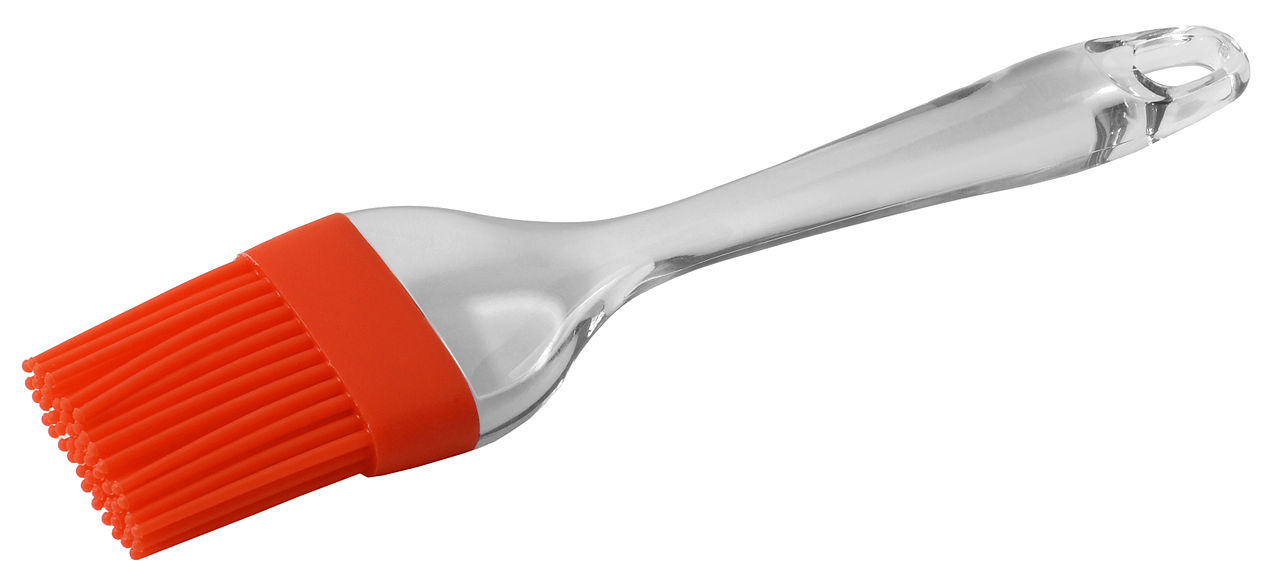
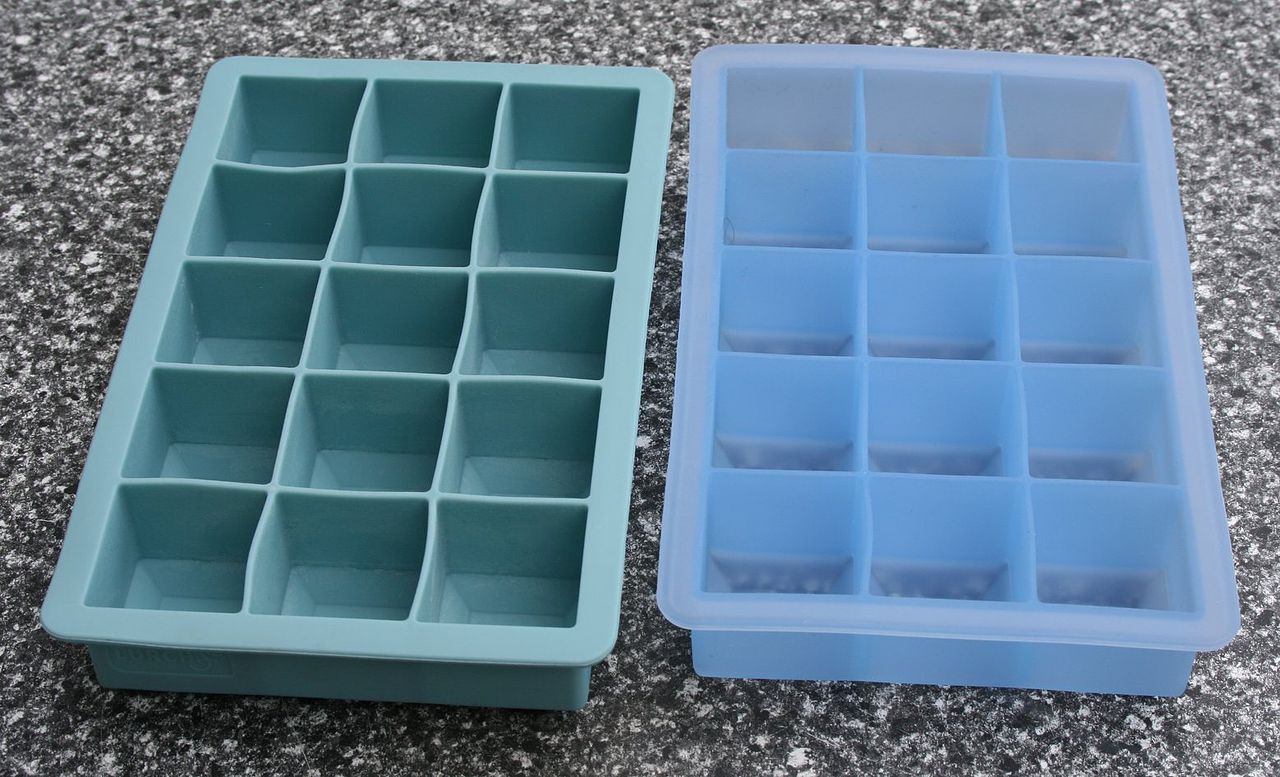
Silicones are versatile across many sectors. In construction they appear as sealants and joint fillers; in electronics they serve as insulating coatings and thermal interface materials; in healthcare they are used for implants, tubing and wound-care products; in the kitchen they become bakeware, utensils and nonstick treatments. They also appear in personal care formulations (emollients, conditioners) and in industrial lubricants and release agents. Representative common items include silicone caulk, pot holders, breast implants and high-temperature gaskets.
Safety, durability and environmental notes
Silicones are generally valued for chemical inertness and low reactivity, which contributes to stability and long service life. Their resistance to heat, water and many chemicals makes them durable but also raises questions about persistence in the environment after disposal. Most medical-grade silicones are biocompatible and widely used in implants and devices, while consumer-grade silicones are considered safe for food contact when properly formulated. Regulatory and scientific bodies monitor production and degradation pathways to manage environmental and health concerns.
Distinctions and notable facts
- Silicones are often confused with the element silicon, but they are chemically distinct: silicon is an element, silicones are organosilicon polymers.
- The siloxane bond (Si–O–Si) gives silicones both flexibility and thermal stability uncommon in purely organic polymers.
- Silicones can be engineered over a broad range of mechanical and thermal properties, from flowing oils to rigid resins.
For further technical details on formulations, processing and regulatory standards consult specialized chemical and materials references or industry sources: see manufacturer datasheets and standards organizations for specific grades and safe-handling guidance (polymers overview, silicon element, oxygen chemistry, carbon bonds, hydrogen roles, rubber-like materials, silicon vs silicone).
Related articles
Author
AlegsaOnline.com Silicone (silicones): chemistry, properties, history and uses Leandro Alegsa
URL: https://en.alegsaonline.com/art/90406
Sources
- dx.doi.org : 10.1002/14356007.a24_057