
Dust — composition, sources, effects, and significance
Dust consists of tiny solid particles found in air and on surfaces. This article explains composition, origins (including cosmic dust), impacts on health and environment, measurement, and cleaning methods.
Overview
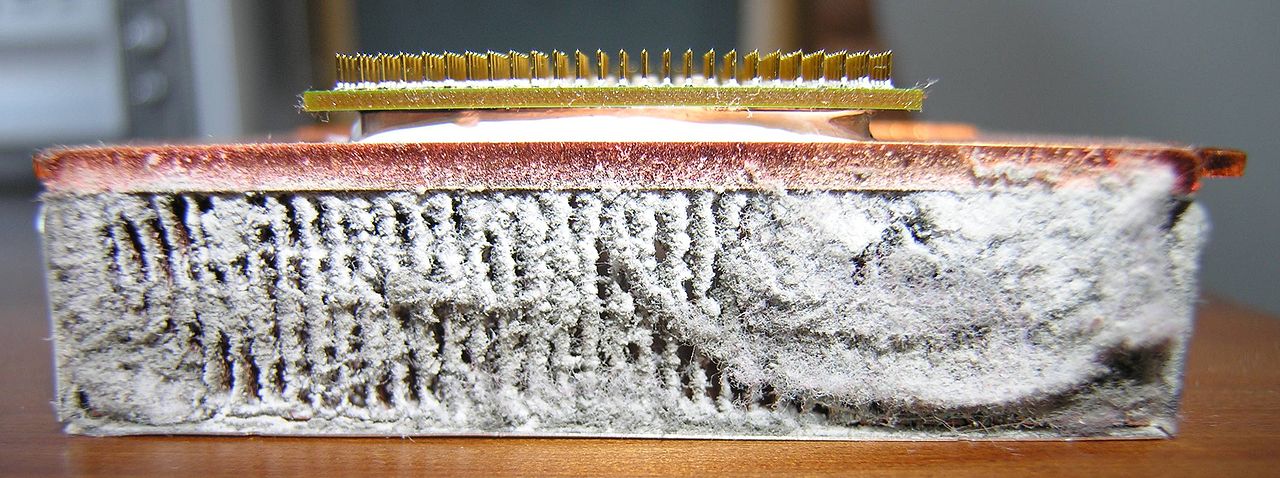
Dust refers to very small solid particles suspended in air or deposited on surfaces. At its simplest, dust is a variety of loose matter that ranges in size from visible specks to microscopic grains. Because the term covers a broad mix of materials, the appearance and behavior of dust vary widely depending on origin and composition.
Image gallery
10 Images





Composition and characteristics
Typical dust particles can include mineral fragments, organic debris, and human-made residues. Common components are soil and dirt, tiny flakes of skin, animal hair, fibers from textiles, pollen, and soot from combustion. Volcanic ash and fine silicate grains from volcanic eruptions are important natural contributors on regional and global scales. Urban and industrial areas add pollution-derived particles such as metal oxides and carbonaceous aerosols.
Sources, transport and history
Dust originates from many activities and natural processes: weathering of rock, wind erosion, agricultural tilling, construction, vehicle traffic, and biological shedding. Plants release pollen, humans and pets contribute skin flakes and hair, and long-range winds can carry mineral dust hundreds to thousands of kilometers. In a broader context, dust has played a role throughout Earth's history, affecting climate, soil fertility, and habitats.
Roles, impacts and examples
Dust influences health, ecosystems, and technology. In buildings, accumulated dust can trigger allergies and asthma and support dust mites. Outdoors, airborne dust affects air quality and visibility and can alter weather and ocean productivity by delivering minerals. Special types of dust exist beyond Earth: dust in outer space forms clouds and contributes to nebulas, and interplanetary dust influences planetary surfaces.
Measurement, removal and prevention
Researchers and building managers characterize dust by particle size, composition and concentration. Common tools include microscopes and air samplers. Practical removal relies on filtration, damp dusting, vacuuming with HEPA filters, and reducing sources by controlling humidity and cleaning routines. Simple household habits limit accumulation: regular cleaning, filtration, and minimizing tracked-in soil.
Notable distinctions
- Household dust: dominated by fibers, skin cells, pollen and indoor contaminants.
- Mineral dust: wind-transported soil and rock fragments important for climate and nutrient cycles.
- Cosmic dust: microscopic solids in space that seed nebulae and affect planetary environments.
Understanding dust requires considering scale (micrometers to millimeters), origin (natural versus human-made), and consequences for health and environment. For further technical reading and practical guidance consult specialized sources and current air-quality literature.
More on matter · Particle studies · Volcanic contributions · Pollution effects · Pollen information · Hair and fibers · Cosmic dust · Nebula formation
Related articles
Author
AlegsaOnline.com Dust — composition, sources, effects, and significance Leandro Alegsa
URL: https://en.alegsaonline.com/art/29341