
Porcelain: composition, types, history and uses
An overview of porcelain—its materials, manufacture, principal types (hard-paste, soft-paste, bone china), properties, historical development and typical uses.
Porcelain is a refined ceramic material produced by heating processed clay-based bodies to temperatures that vitrify the mass. Traditional porcelain formulations include a high proportion of kaolinite (kaolin) combined with fluxing minerals and non-plastic fillers. When properly fired the result is a white, often translucent, hard material prized for both functional and decorative objects.
Image gallery
10 Images
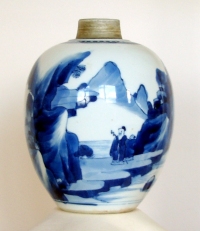



Characteristics
Key qualities of porcelain include whiteness, density, and a glass-like vitrified matrix that gives strength and low porosity. Many porcelains are slightly translucent when thin and can take a fine glaze. The balance of raw materials and firing schedule determines mechanical strength, thermal stability and optical properties. Porcelain is generally harder and less porous than earthenware or stoneware.
Types and production
Porcelain is commonly described in three groups: hard-paste, soft-paste and bone china. Hard-paste porcelain is the traditional high-fired product, while soft-paste was developed historically in Europe to imitate Chinese imports at lower firing temperatures. Bone china is a variant that incorporates animal bone ash to improve whiteness and translucency.
- Raw materials (kaolin, feldspar, quartz and others) are blended with water into a workable paste.
- The paste is shaped by throwing, pressing or casting and dried to a leather-hard state.
- Pieces are fired in a kiln at high temperatures—porcelains are typically fired at high temperatures, with hard-paste reaching the higher end of the range and soft-paste somewhat lower.
- After a first firing glaze is applied and pieces may receive a second glaze or decoration firing.
History and development
Porcelain originated in China where potters developed kaolin-based bodies and high-temperature firing centuries ago. Its qualities made it a valuable traded commodity, inspiring European efforts to reproduce the material in the 17th and 18th centuries. These efforts led to distinct regional traditions and industrial techniques that standardized composition and firing in the modern era.
Uses and distinctions
Porcelain is used for tableware, decorative objects, bathroom fixtures, electrical insulators and laboratory ware because of its durability, hygiene and resistance to chemicals. Important distinctions: porcelain versus other ceramics (earthenware, stoneware), and hard-paste versus soft-paste versus bone china—each has different firing regimes and performance traits. Scholars and conservators often rely on composition and firing evidence to identify a piece's origin and date.
For further reading on materials and techniques see: ceramics overview, clay minerals, kaolin, firing practice, bone ash use and kiln technology.
Questions and answers
Q: What is porcelain made of?
A: Porcelain is a ceramic material made from clay-type materials and kaolinite, which are heated to high temperatures.
Q: How many types of porcelain are there?
A: There are three types of porcelain: hard-paste porcelain, soft-paste porcelain and bone china.
Q: What is the difference between hard-paste and soft-paste porcelains?
A: Hard-paste porcelains are fired at 1400 degrees Celsius while soft-pastes are fired at 1200 oC.
Q: What ingredients make up bone china?
A: Bone china is a type of soft-paste porcelain made from bone ash and kaolinite.
Q: How do raw materials for making porcelain become usable?
A: The raw materials for making porcelain are mixed with water to form a plastic paste that can be worked into the desired shape before firing in a kiln.
Q: Is kaolinite used in all types of porcelains?
A: Yes, kaolinite is used in all types of porcelains.
Related articles
Author
AlegsaOnline.com Porcelain: composition, types, history and uses Leandro Alegsa
URL: https://en.alegsaonline.com/art/78142
Sources
- books.google.com : Chinese porcelain: art, elegance, and appreciation
- encyclopedia.com : "Porcelain"
- books.google.com : Eighteenth-century ceramic: Products for a civilised society
- books.google.com : News from a radiant future: Soviet porcelain from the collection of Craig H. and Kay A. Tuber
- metmuseum.org : Metropolitan Museum of Art
- royalcrownderby.co.uk : "History" · web.archive.org