
Opal: formation, properties, varieties and uses
Opal is a hydrated, amorphous form of silica prized as a gemstone for its iridescent play-of-color. This article explains its structure, formation, varieties, uses, care and cultural significance.
Opal is a hydrated, amorphous form of silica that is widely regarded as a gemstone and a mineraloid rather than a crystalline mineral. Its most striking feature is an optical effect called play-of-color — flashes of spectral hues that shift with the viewing angle — caused by the interaction of light with tiny, regularly packed silica spheres. In everyday terms opal is often described as a rock or a mineral material used in jewelry and ornamentation.
Image gallery
10 Images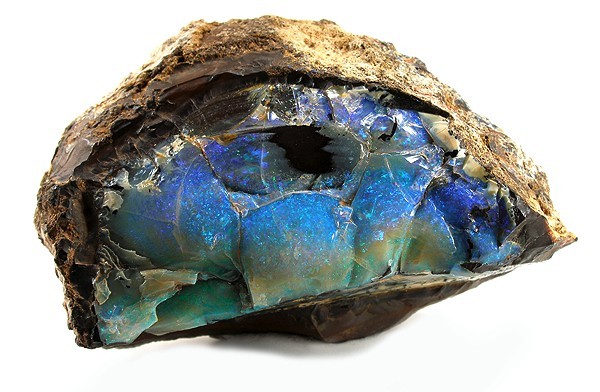



Structure and optical behavior
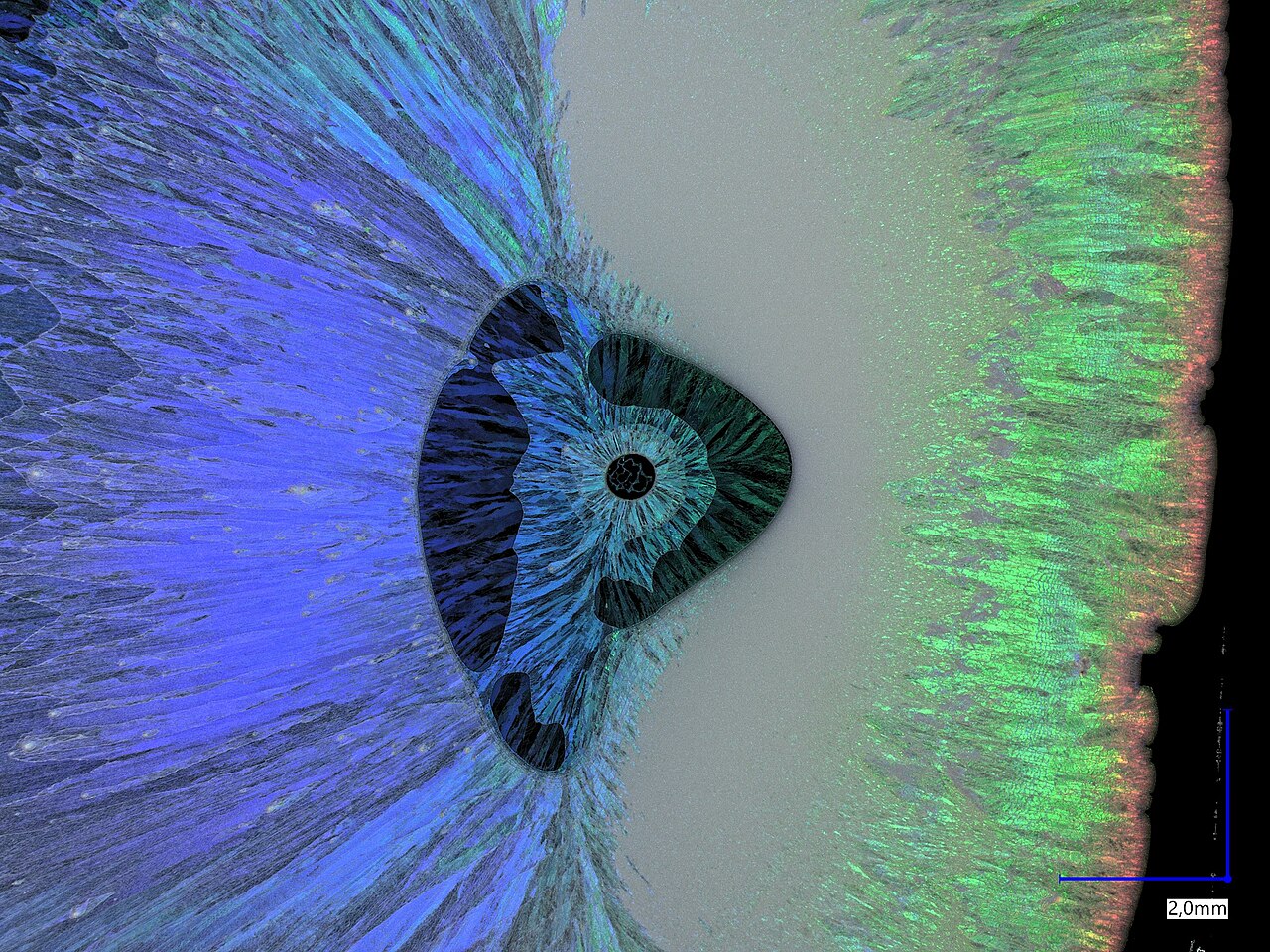
Unlike crystalline gemstones, opal lacks a long-range ordered atomic lattice; it is made of microscopic silica (SiO2) spheres cemented together with variable amounts of water. When those spheres are uniform in size and orderly arranged, they diffract light and produce play-of-color. If the spheres are irregular or too small, the stone appears opaque or has a glassy sheen without color flashes. Many opals also contain traces of host rock or iron oxides that influence background color.
Formation and major sources
Opals form where silica-rich waters seep into cavities, fractures or spaces left by decayed organic matter and then slowly solidify as water evaporates. This process can occur in volcanic ash, sedimentary rocks and even in cavities within other minerals. Major commercial deposits are found in Australia, which has supplied many gem-quality opals, and in other countries such as Ethiopia and Mexico, each producing stones with distinct appearances.
Varieties and classification
- Precious opal: shows play-of-color and is most valued for jewelry.
- Common opal: lacks play-of-color and is often opaque or translucent.
- Black opal: has a dark body tone that enhances color contrast.
- Fire opal: ranges from yellow to red and may or may not display play-of-color.
- Boulder and matrix opal: remain attached to their host rock, producing distinctive patterns.
Uses, care and notable facts
Opal is primarily used in jewelry and decorative objects and is appreciated by gem collectors for its unique optical effects. It is relatively soft and porous compared with many gemstones, so it requires gentle care: avoid sudden temperature changes, harsh chemicals and prolonged drying. Some opals, notably hydrophane specimens, can absorb water and temporarily change appearance when wetted.
Opal has cultural and historical significance in many societies and is recognized as the traditional birthstone for October; it appears in literature and adornment across centuries. For more general background and gemological details see resources linked here: general overview, mineral classification, and its designation as the October birthstone.
Related articles
Author
AlegsaOnline.com Opal: formation, properties, varieties and uses Leandro Alegsa
URL: https://en.alegsaonline.com/art/72730